Ebola Virus Disease (EVD) remains one of the most serious viral infections known to modern medicine. While it has primarily affected certain regions in Africa, the global healthcare community, including medical professionals in India and Tamil Nadu, maintains vigilance about this potentially fatal condition. At Prashanth Hospitals, we believe in empowering our patients and community with accurate, evidence based information about infectious diseases. This comprehensive guide explains what Ebola is, how it spreads, its symptoms, prevention strategies, and available treatment options. Whether you’re a healthcare professional seeking updated knowledge or a concerned individual wanting to understand this disease better, this article provides essential information grounded in current medical science.
What is Ebola Virus Disease?
Understanding the basics
- Ebola Virus Disease, formerly known as Ebola hemorrhagic fever, is a rare but severe and often fatal illness affecting humans and other primates. The disease is caused by infection with one of the Ebola virus strains. While the name “Ebola” may sound alarming, it’s important to understand that this is not a disease of casual transmission it requires specific conditions and contact to spread.
- The virus was first discovered in 1976 during simultaneous outbreaks in Nzara, South Sudan, and Yambuku, Democratic Republic of the Congo. The disease gets its name from the Ebola River in the Democratic Republic of the Congo, which was near one of the first outbreak villages.
The Science behind Ebola
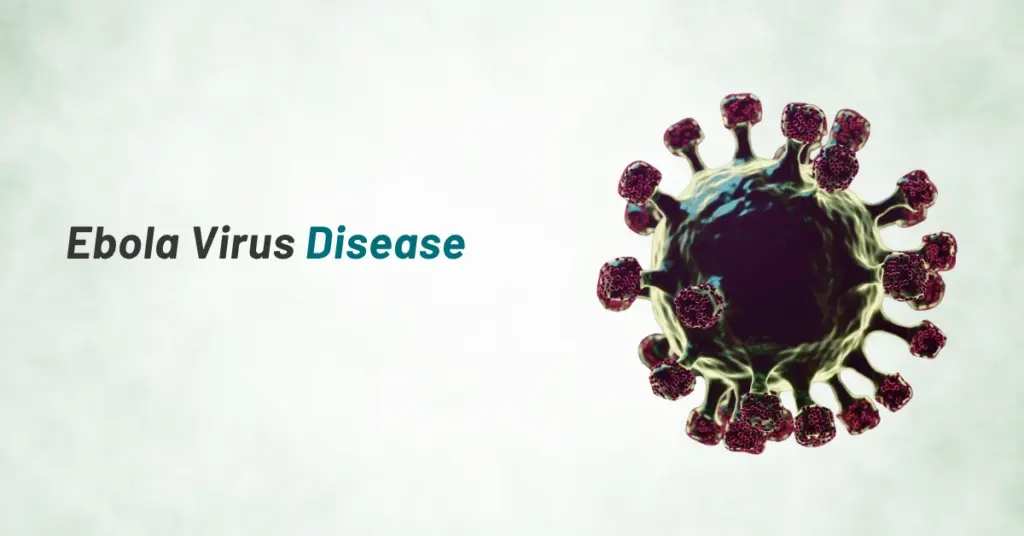
Ebola is a filovirus, meaning it belongs to a family of viruses that are filament shaped when viewed under an electron microscope.
There are four known species of Ebola virus:
- Zaire ebolavirus (causes the most severe disease with highest mortality rates)
- Sudan ebolavirus
- Bundibugyo ebolavirus
- Tai Forest ebolavirus
The virus affects the blood vessels and interferes with the blood’s ability to clot, leading to the severe symptoms characteristic of the disease. This is why understanding the medical nature of Ebola is crucial for recognizing it early.
How is Ebola Transmitted?
Routes of Transmission
Understanding transmission is critical for prevention. Ebola does not spread through the air like influenza or measles. Instead, transmission requires direct contact with blood or body fluids of an infected person or animal.
Primary Transmission Routes Include:
- Contact with Infected Animals The virus is found in fruit bats, which are considered the natural reservoir. Other animals that can carry the virus include monkeys, forest antelope, and porcupines. Hunting, butchering, or consuming these animals without proper protection poses a risk.
Direct Contact with Infected Persons Once a human is infected, the virus spreads through direct contact with:
- Blood
- Vomit
- Diarrhea
- Urine
- Feces
- Semen
- Vaginal fluids
- Saliva
- Sweat
- Other bodily fluids
Healthcare Settings Healthcare workers are at particular risk if they don’t use proper personal protective equipment (PPE) when treating infected patients. Funeral Practices Direct contact with deceased bodies during burial preparation or funeral rites has been a significant transmission route in affected communities.
The Incubation Period
One important fact: symptoms don’t appear immediately after infection. The incubation period the time between infection and symptom onset ranges from 2 to 21 days, with an average of 8 to 10 days. This means an infected person may not know they’re sick and could potentially transmit the virus before symptoms appear.
Recognizing Ebola: Symptoms and Progression
Early Symptoms (“Dry Symptoms”)
The disease begins with what medical professionals call “dry symptoms,” which appear suddenly and can be mistaken for other illnesses:
- Fever (often between 38.3°C to 40°C/101°F to 104°F)
- Severe fatigue and weakness
- Muscle pain and body aches
- Headache
- Sore throat
- Malaise (general feeling of discomfort)
These initial symptoms typically appear 2 to 21 days after exposure to the virus.
Progressive Symptoms (“Wet Symptoms”)
As the disease progresses, typically 5 to 7 days after initial symptoms, more severe gastrointestinal and systemic symptoms develop:
- Vomiting and nausea
- Diarrhea (sometimes bloody)
- Abdominal pain and cramping
- Unexplained hemorrhage (bleeding or bruising)
- Bleeding from gums
- Internal bleeding
- Rash (typically appears around day 5)
- Impaired kidney and liver function
- In some cases, internal and external bleeding
Severe Phase
In the final stages, patients may experience:
- Shock (extremely low blood pressure)
- Neurological manifestations (confusion, seizures)
- Severe respiratory distress
- Massive hemorrhaging
- Multi organ failure
The mortality rate varies depending on the virus strain and access to medical care, but historically ranges from 50% to 90%.
Risk Factors for Ebola
Who is most at Risk?
- Healthcare Workers Without proper protective equipment, healthcare workers treating Ebola patients face significant risk.
- Laboratory Personnel Workers handling blood or tissue samples of infected individuals.
- Close Contacts of Infected Persons Family members and caregivers providing nursing care to infected patients.
- Persons with Certain Occupations Hunters and those handling wild animals in endemic areas.
- Funeral Attendees Those involved in preparing bodies for burial in affected regions.
Diagnosis: How is Ebola Identified?
Laboratory Testing
Diagnosing Ebola requires specific laboratory tests, as clinical symptoms alone are not distinctive enough.
Confirmation requires identifying the virus or antibodies through:
- RT-PCR Testing (Reverse Transcription Polymerase Chain Reaction) The most reliable method for detecting viral RNA.
- Antigen Detection Tests Identifying Ebola antigens in blood samples.
- Serology (Antibody Testing) Detecting IgM and IgG antibodies in blood.
- Viral Culture Growing the virus in laboratory conditions (only in specialized facilities).
Timing of Diagnosis
The first few days of illness are the most critical for diagnosis. Blood tests may not detect the virus before day 3 of illness, which is why healthcare providers rely on clinical presentation combined with laboratory confirmation.
Treatment and Management
Supportive Care is Primary
Currently, there is no specific cure for Ebola.
Treatment focuses on providing supportive care to help patients’ bodies fight the infection:
- Fluid and Electrolyte Replacement Maintaining proper hydration and electrolyte balance is crucial.
- Maintaining Blood Pressure and Oxygen Levels Supporting vital organ function.
- Blood Transfusions Replacing lost blood when severe bleeding occurs.
- Treatment of Secondary Infections Preventing and treating secondary bacterial infections.
- Dialysis If kidney failure develops.
Hospital Isolation
Infected patients require hospitalization in specially equipped isolation units with:
- Negative pressure rooms
- Full personal protective equipment for all healthcare workers
- Strict infection control protocols
- Dedicated medical staff
Experimental Treatments
Recent advances have shown promise:
- Monoclonal Antibody Treatments These lab created antibodies can help the immune system recognize and fight the virus.
- Antivirals Experimental antiviral medications are being studied to inhibit viral replication.
Vaccination
Two vaccines have been approved for Ebola virus disease:
- Ervebo (Merck & Co.) Provides protection against Zaire ebolavirus and is recommended as part of outbreak response.
- Zabdeno and Mvabea (Janssen Pharmaceutica) A two dose vaccine regimen for additional protection.
- These vaccines can be used for preventive vaccination of healthcare and frontline workers in high risk regions.
Prevention: Protecting yourself and others
Personal Prevention Measures
- Avoid Contact with High Risk Animals Do not touch or hunt fruit bats, monkeys, forest antelope, or porcupines in endemic areas.
- Practice Food Safety Thoroughly cook meat and handle it hygienically.
Maintain Personal Hygiene
- Wash hands frequently with soap and clean water
- Practice good respiratory hygiene
- Clean surfaces regularly
Use Personal Protective Equipment Healthcare workers should use:
- Gloves
- Face masks or respirators
- Eye protection
- Gowns or aprons
- Proper disposal containers
Safe Burial Practices Family members and community members should follow infection control protocols when handling deceased bodies.
Community Level Prevention
- Surveillance and Early Detection Monitoring for symptoms in the population allows rapid identification of cases.
- Contact Tracing Identifying and monitoring people who have had contact with infected individuals.
- Public Health Education Educating communities about transmission and prevention.
- Safe Healthcare Practices Ensuring healthcare facilities have proper infection prevention measures.
- Vaccination Programs Vaccinating high risk populations when vaccines are available.
Ebola in India and Tamil Nadu: Current Context
Regional Preparedness
While India has not experienced endemic transmission of Ebola, Indian healthcare systems, including institutions in Chennai and Tamil Nadu, maintain high standards of preparedness.
Prashanth Hospitals and similar facilities are equipped with:
- Trained infectious disease specialists
- Isolation facilities
- Proper diagnostic capabilities
- Infection control expertise
- Regular drills and preparedness protocols
Travel Related Vigilance
Indian healthcare providers maintain awareness of travel related risks.
Anyone traveling to affected regions in Africa and developing symptoms within 21 days should:
- Seek immediate medical attention
- Inform healthcare providers about travel history
- Undergo appropriate testing
International Collaboration
Indian medical professionals collaborate with global health organizations like the WHO and CDC to stay updated on outbreak developments and treatment protocols.
When to Seek Medical Attention
Red Flags Requiring Immediate Medical Care
If you or someone you know experiences the following, especially with a recent history of travel to affected regions, seek emergency medical care immediately:
- Fever with severe headache and muscle pain
- Weakness and fatigue that prevents normal activities
- Vomiting or diarrhea
- Rash on the body
- Impaired kidney or liver function
- Internal or external bleeding
- Any sign of hemorrhage
Providing Information to Healthcare Providers
When seeking medical care, provide complete information about:
- Recent travel history (especially to Africa)
- Contact with potentially infected persons
- Animal exposure or hunting activities
- Timeline of symptom onset
- Other symptoms experienced
Common Myths and Facts about Ebola
Myth: Ebola spreads through the air
Fact: Ebola does not spread through the air, water, or food (except through contact with infected blood or body fluids).
Myth: There’s no treatment for Ebola
Fact: While there’s no specific cure, supportive care and experimental treatments have significantly improved survival rates in recent years.
Myth: Ebola is as contagious as measles
Fact: Ebola requires direct contact with blood or bodily fluids; it’s not airborne like measles.
Myth: Vaccines don’t work for Ebola
Fact: Approved vaccines like Ervebo provide effective protection against Zaire ebolavirus.
Myth: If you’re diagnosed with Ebola, you’ll definitely die
Fact: With modern medical care, survival rates have improved significantly, especially with early treatment.
The Importance of early Detection
Why Timing Matters
Early detection and treatment initiation significantly impact outcomes. Studies show that patients receiving supportive care early in the disease course have better survival rates than those treated late.
Role of Diagnostic Facilities
Access to rapid diagnostic testing is crucial.
Facilities capable of performing RT-PCR testing within hours allow for:
- Quick confirmation of suspected cases
- Immediate isolation
- Rapid contact tracing
- Prevention of further spread
Mental Health and Psychological Support
The Psychological Impact
Both infected individuals and their families may experience significant psychological stress.
Support includes:
- Counseling services
- Psychological first aid
- Support groups for survivors and families
- Mental health screening
Long term Effects
Some Ebola survivors experience post traumatic stress disorder (PTSD) and other psychological conditions that require ongoing support.
Future Outlook and Research
Ongoing Research
Medical researchers worldwide are working on:
- More effective vaccines
- Better antiviral treatments
- Improved diagnostic methods
- Understanding of long term health effects in survivors
Improved Survival Rates
Recent outbreaks have shown improving survival rates due to:
- Better diagnostic capabilities
- Earlier case detection
- More effective supportive care
- Experimental treatments
- Trained medical personnel
Conclusion
Ebola Virus Disease is a serious condition that demands respect and understanding. While it has historically caused significant morbidity and mortality in affected regions, modern medicine, improved preparedness, and advances in treatment and vaccination offer hope.
For residents of Chennai, Tamil Nadu, and India generally, the most important steps are:
- Stay informed through reliable medical sources
- Practice good hygiene habits
- Exercise caution when traveling to affected regions
- Seek immediate medical attention if symptoms develop after travel
- Trust qualified healthcare professionals like those at Prashanth Hospitals for diagnosis and treatment
At Prashanth Hospitals, we remain committed to protecting our community’s health through vigilance, education, and access to world class medical care. If you have concerns about Ebola or any infectious disease, our infectious disease specialists are available for consultation.
Remember: knowledge and preparedness are our best defenses against infectious diseases. Stay healthy, stay informed, and reach out to qualified healthcare providers with any concerns.