Noticing a pink or reddish tinge in your urine can stop you in your tracks. Blood in urine always deserves attention, but it does not always point to something serious. Causes range from eating too much beetroot to conditions that need prompt treatment.
One thing worth saying upfront: painless blood in urine, especially in adults over 40 or those who smoke, should never be ignored. It can sometimes be an early sign of bladder cancer. No pain does not mean no problem.
This guide covers every cause, every warning sign, and when you need to act fast.
Is it Really Blood?
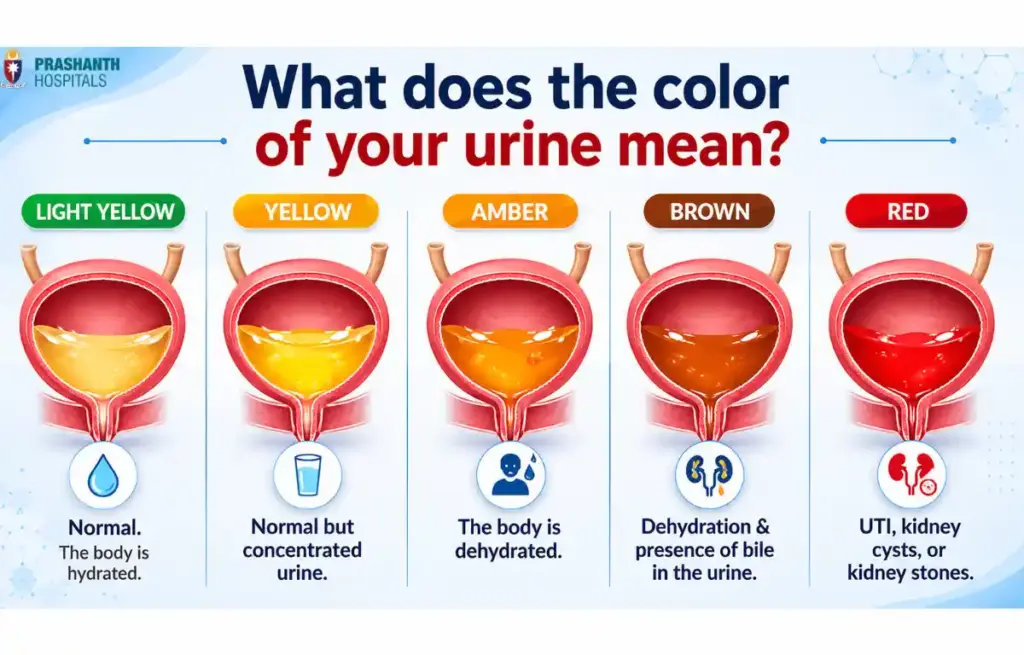
Not every red or dark urine contains actual blood. Several harmless things can look alarming but clear up on their own.
Common non-blood causes include:
- Eating large amounts of beetroot (a reaction called beeturia)
- Medicines such as rifampicin, certain laxatives, or high doses of vitamin B12
- Foods like blackberries or rhubarb in sensitive individuals
If the colour returns to normal the next day and you feel completely well, food or medication is likely the reason. But if the discolouration persists, if you spot clots, or if any pain or burning comes with it, see a doctor without delay.
What Causes Blood in Urine?
The medical term for blood in urine is hematuria. Urine is made in the kidneys and travels through the ureter into the bladder, then out through the urethra. Blood can enter this system at any point along the way.
The most common causes include:
- Urinary tract infections (UTIs)
- Kidney stones
- Enlarged prostate in men over 50
- Kidney or bladder inflammation
- Injury to the urinary tract
- Kidney or bladder tumours
Blood thinners such as warfarin or aspirin can increase bleeding from an underlying urinary tract condition, making blood in urine more noticeable. Certain antibiotics and chemotherapy drugs have also been linked to urinary tract irritation.
Smoking is one of the strongest risk factors for bladder cancer, which commonly presents with painless blood in urine. Anyone who smokes or has smoked long-term should treat any episode of hematuria as needing urgent evaluation.
Gross vs Microscopic Hematuria
Doctors classify hematuria into two types based on whether the blood is visible or only found through testing.
Gross hematuria is blood you can see yourself. The urine may look pink, red, dark brown, or the colour of tea. Even a few drops of blood are enough to change the colour of a full bladder of urine.
Microscopic hematuria is blood that is invisible to the eye. Your urine looks completely normal, but blood cells are detected when a doctor examines a urine sample under a microscope. This type is often found accidentally during a routine health check.
Both types need evaluation. Just because you cannot see the blood does not make it less important.
Symptoms to Watch For
The most obvious sign is a colour change in the urine. But hematuria often comes with other clues depending on the cause:
- Burning or pain while urinating often points to a UTI
- Fever, chills, and lower back pain may suggest a kidney infection
- Severe cramping pain in the abdomen or side is often a kidney stone
- Body swelling, weakness, and high blood pressure may indicate kidney disease
A pattern worth noting: hematuria with no other symptoms at all can actually be the most significant presentation. Painless blood in urine in adults over 40, with no obvious trigger, is something doctors take very seriously as a possible early sign of bladder or kidney cancer.
Who is at Higher Risk?
Blood in urine can affect anyone, but certain groups face a higher chance of developing it:
- Men over 50 due to an enlarged prostate pressing on the urethra
- Smokers, who face a significantly higher risk of bladder cancer
- People with a personal or family history of kidney disease or kidney stones
- Those on long-term blood thinners or anti-inflammatory painkillers
- People with diabetes or poorly controlled high blood pressure
- Anyone who has had radiation therapy to the pelvic area
Strenuous exercise, particularly long-distance running or high-intensity endurance activity, can also trigger temporary blood in urine. This is called exercise-induced hematuria and usually clears within 24 to 48 hours. It is generally harmless but worth reporting to a doctor the first time it happens.
Blood in Urine During Pregnancy
Blood in urine during pregnancy is understandably worrying, but it is not uncommon. In many cases the cause is benign. That said, it always needs to be reported to your doctor.
UTIs are significantly more common during pregnancy because hormonal changes and pressure from the growing uterus make the urinary tract more vulnerable to infection. A UTI is often the first thing a doctor will check for. It is treatable with pregnancy-safe antibiotics and most cases resolve fully without risk to the baby.
Menstrual or vaginal spotting can also contaminate a urine sample and mimic hematuria. Your doctor can distinguish between the two with a properly collected midstream urine test.
Do not delay reporting this to your doctor. An untreated UTI in pregnancy can progress to a kidney infection, which carries more risk for both mother and baby.
How is it Diagnosed?
Your doctor will start by reviewing your health history, any medicines you take, and your family history of kidney or urinary conditions. From there, the tests typically include:
- Urinalysis: checks for red blood cells, white blood cells, bacteria, and other abnormal substances
- Blood test: assesses kidney function and checks for waste products the kidneys should have cleared
- Ultrasound or CT scan: gives a detailed picture of the kidneys and urinary tract to identify stones, cysts, or structural problems
- Cystoscopy: a thin camera passed through the urethra to look directly inside the bladder
- Renal biopsy: a fine needle removes a tiny tissue sample from the kidney for lab analysis, used only when other tests strongly suggest kidney disease
Can Blood in Urine Go Away on Its Own?
Whether hematuria resolves without treatment depends entirely on the cause.
It may settle on its own when caused by exercise, minor irritation, or a small physical knock to the urinary tract. Mild urinary irritation can sometimes improve with increased hydration. However, a confirmed UTI usually needs medical evaluation and may require antibiotics. Waiting it out is not a safe approach.
Blood in urine caused by kidney stones, infections, an enlarged prostate, or kidney disease will not go away without treating the root cause. Waiting only delays things and can allow the underlying condition to worsen.
One important point: hematuria that appears once and then disappears should still be reported to a doctor, particularly in anyone over 40. Bladder cancer often bleeds intermittently in its early stages. The bleeding stopping on its own does not mean the cause has gone.
Treatment for Hematuria
Hematuria itself is not treated as a standalone condition. Treatment is directed at whatever is causing it:
- UTI: antibiotic course
- Kidney stones: fluids and monitoring for small stones, or a procedure for larger ones
- Enlarged prostate: medication or a surgical procedure depending on severity
- Kidney inflammation: specialist-led medication based on the underlying immune condition
If no cause is found after full testing, your doctor will recommend repeating the urine and blood tests every 3 to 6 months. This is especially important for people over 50, long-term smokers, and those exposed to industrial chemicals, as these groups carry a higher risk of urinary tract cancers where early detection is critical.
When to See a Doctor Immediately
Go to a doctor the same day if you notice any of the following:
- Visible blood in your urine for the first time
- Blood clots in your urine
- Blood in urine with fever and back or side pain
- Difficulty emptying your bladder
- Any blood in urine during pregnancy
- Blood in a child’s urine
- Blood in urine in anyone over 50, even without any other symptoms
How to Prevent it
Not every cause of hematuria is preventable, but these steps meaningfully reduce your risk:
- Drink enough water daily so your urine stays pale yellow
- Do not hold urine for long periods
- Women should urinate after sexual activity to reduce UTI risk
- Quit smoking to significantly lower your bladder cancer risk
- Avoid overusing anti-inflammatory painkillers like ibuprofen long-term
- Manage diabetes and high blood pressure well to protect kidney health
Final Thoughts
Blood in urine is one of those symptoms that is easy to dismiss if it disappears quickly, and easy to panic about if it stays. Neither reaction helps you.
The right move is always the same. Get it checked the first time it happens. A simple urine test takes minutes and gives your doctor the information needed to either reassure you or catch something early when it is most treatable.
Most people who see blood in their urine turn out to have a straightforward, treatable cause. But the ones who benefit most from good outcomes are the ones who did not wait.