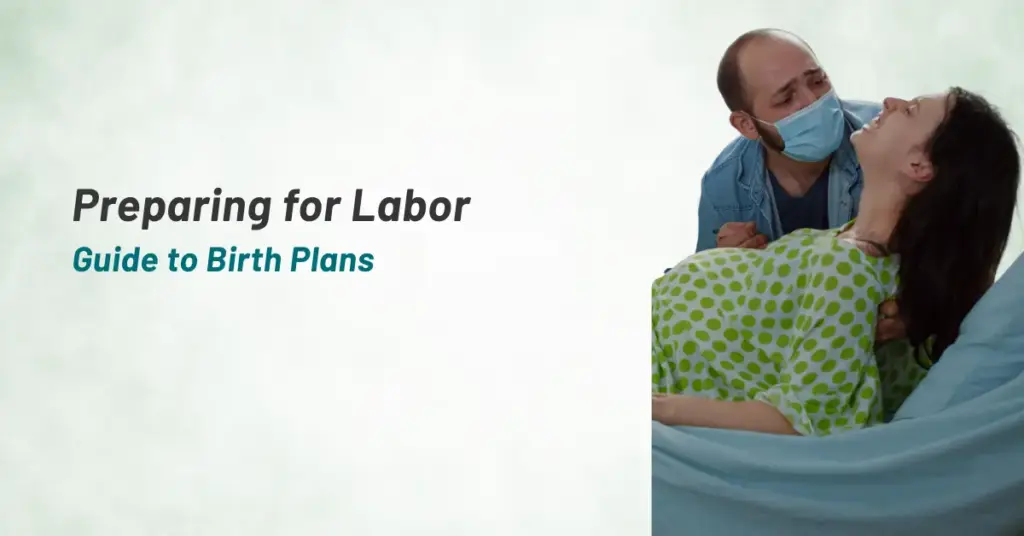
Welcoming a new life into the world is one of the most meaningful moments in a family’s journey. While childbirth is natural, it is also deeply personal. Every woman’s experience is different. That is why thoughtful preparing for labor and delivery can make a real difference — physically, emotionally, and practically.
A birth plan is not about controlling every detail. It is about clarity, communication, and confidence.
Let us explore how to create a birth plan that supports you, while also understanding how to prepare your body and mind for labor in a balanced and healthy way.
Understanding Birth Plans
A birth plan is a simple document that outlines your preferences for labor, delivery, and early newborn care. It helps your healthcare team understand what matters most to you. It may include your wishes about pain relief, movement during labor, who will be present, and how you would like your baby cared for immediately after birth.
The goal is not perfection. The goal is preparation.
Why Birth Plans Matter
Birth plans encourage open conversations. They help avoid last-minute confusion. They also reduce anxiety because you have already thought through possible scenarios. When families focus on preparing for labor and delivery, they often feel more confident and supported. Research shows that women who feel heard and involved in decision-making report more positive birth experiences — regardless of how the delivery unfolds.
Common Misconceptions
Some believe birth plans are rigid checklists. That is not true.
Labor can be unpredictable. Flexibility is essential. A birth plan should guide conversations, not create pressure. It should leave room for medical recommendations if safety requires a change in approach. Think of it as a roadmap — not a rulebook.
Creating Your Birth Plan
Creating a birth plan begins with thoughtful reflection and open discussion during the third trimester. It is helpful to write down your preferences clearly and keep the document simple and concise. A well-prepared birth plan outlines your comfort measures, pain relief choices, labor positions, and immediate newborn care preferences in a practical and realistic way. The purpose is not to control every detail but to communicate what matters most to you.
Partner involvement is an important part of this process. When partners understand the plan clearly, they are better prepared to offer emotional support and advocate for shared preferences during labor. A united approach reduces confusion and strengthens confidence on the day of delivery.
It is equally important to review the birth plan with your healthcare provider. Discussing your preferences in advance ensures everyone is aligned and aware of possible adjustments if medical needs arise. This step plays a meaningful role in preparing for labor and delivery because it builds trust and mutual understanding.
A flexible mindset is essential. Labor can change direction unexpectedly, and safety always comes first. A birth plan should support communication, not create pressure. When approached thoughtfully, it becomes a helpful guide that encourages calm, clarity, and collaboration throughout the birthing experience.
Key Elements to Include in a Birth Plan
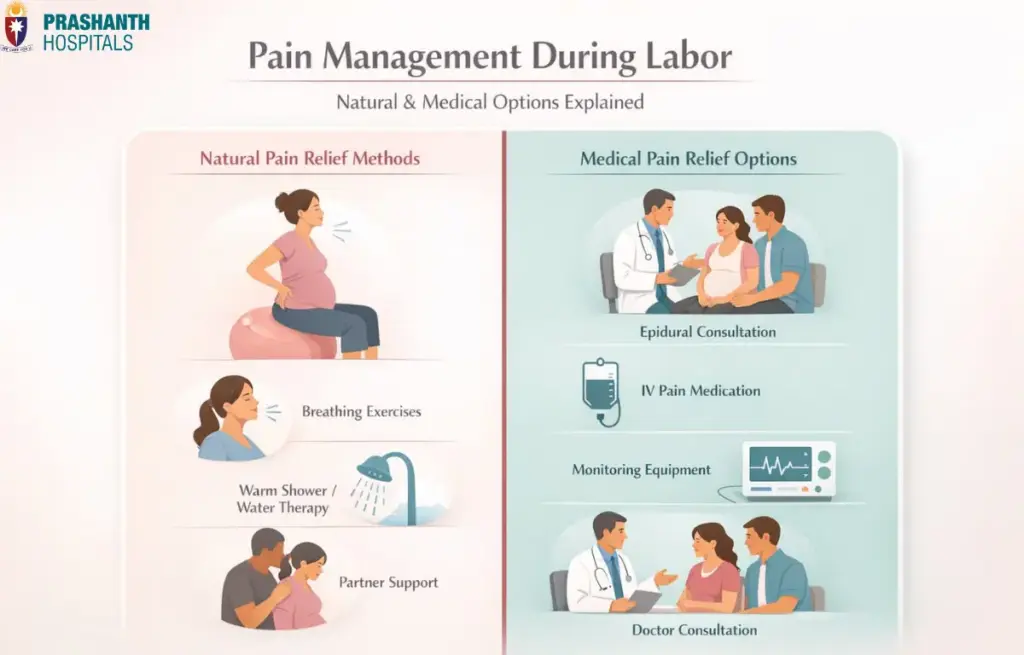
Pain Management Preferences
You may prefer:
- Natural coping methods
- Epidural anesthesia
- IV pain medication
There is no right or wrong choice. Your comfort matters.
Labor Positions and Mobility
Movement can help labor progress. Walking, squatting, or using a birthing ball may reduce discomfort.
This is also where exercises to prepare for labor become helpful. Gentle prenatal squats and pelvic tilts can improve flexibility and strength.
Interventions
You can outline preferences about:
- Induction of labor
- Continuous fetal monitoring
- Episiotomy
However, always prioritize safety if medical needs arise.
Postpartum Considerations
Include:
- Immediate skin-to-skin contact
- Breastfeeding initiation
- Rooming-in preferences
Planning ahead makes the first hours smoother.
Preparing Your Body for Labor
Beyond paperwork, physical readiness matters.
Many women ask about natural ways to prepare body for labor. While nothing guarantees a specific birth experience, certain habits can support overall strength and endurance.
1. Gentle Prenatal Exercise
Regular movement improves circulation, stamina, and mood.
Some safe exercises to prepare for labor include:
- Pelvic floor strengthening (Kegels)
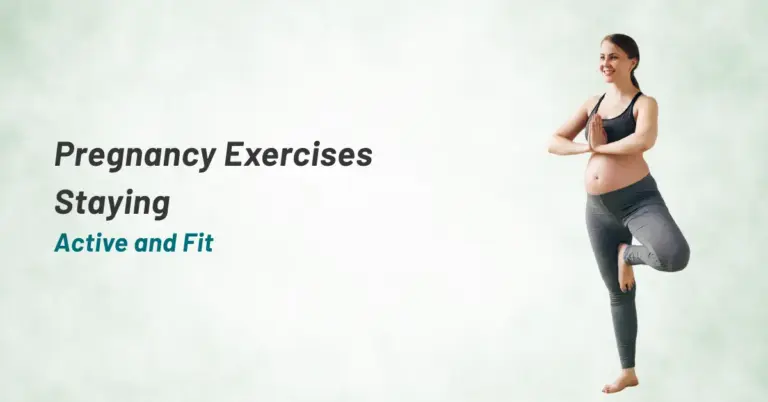
- Prenatal yoga
- Walking
- Deep squats with support
Always consult your doctor before starting any routine.
2. Breathing Techniques
Controlled breathing helps manage contractions. Practice slow inhalation through the nose and long exhalation through the mouth. Breathing exercises are simple but powerful tools when preparing for labor and delivery. They reduce stress hormones and promote relaxation.
3. Pelvic Floor Awareness
Learning how to relax the pelvic floor is just as important as strengthening it. Tension can increase discomfort during pushing. A prenatal physiotherapist can guide you safely.
Emotional Preparation Matters Too
Physical strength alone is not enough. Emotional readiness plays a huge role.
Attend Childbirth Education Classes
Structured classes explain:
- Stages of labor
- Pain relief options
- When to go to the hospital
- What recovery looks like
Education reduces fear. When families understand how to prepare for labor and delivery, they feel more in control.
Build a Support System
A supportive birth team may include:
- Partner
- Family member
- Doula
- Trusted healthcare provider
Encouragement and reassurance can ease anxiety during contractions.
Practice Relaxation Techniques
Try:
- Guided imagery
- Calm music playlists
- Warm showers
- Meditation
Relaxation is a central part of preparing for labor and delivery, especially in the final weeks.
Creating a Comfortable Birth Environment
The birth space influences your experience more than you may realize.
Lighting and Ambience
Soft lighting promotes calmness. Some women prefer dim lights or battery-operated candles. Music can provide rhythm during contractions.
Familiar Comfort Items
Bring:
- A favorite pillow
- Comfortable clothing
- Essential oils (if permitted)
Small comforts create emotional safety.
When Plans Change
Even with careful preparing for labor and delivery, situations may shift. Labor may progress quickly or slowly. Medical interventions may become necessary.
Remember:
- A healthy mother and baby are always the priority.
- Flexibility does not mean failure. It means strength.
Conclusion
Creating a birth plan is an act of thoughtful preparation. It allows you to reflect on your values, discuss options, and communicate clearly with your care team. At the same time, focus on steady habits that support your body and mind. Movement, rest, hydration, balanced nutrition, and emotional support all matter.
True preparing for labor and delivery is not about controlling every outcome. It is about building confidence, staying informed, and trusting the process — while knowing you have a team beside you. As you await your baby’s arrival, take one step at a time. Ask questions. Practice breathing. Stay flexible. You are doing meaningful work — and that preparation will carry you forward into motherhood.