It is highly likely that everyone who has reached adulthood has at least one embarrassing experience that was brought on by bad breath. This condition, which is medically referred to as halitosis, is brought on by a number of factors, all of which contribute to the stinky odors in the mouth. Understanding the causes of bad breath helps in identifying triggers early. It is important to have an understanding of halitosis so that you can steer clear of the things that make it worse and so that you can combat it when it does appear. Keeping the mouth moist with natural saliva is one of the best ways to maintain healthy bacteria. Additionally, this promotes the growth of beneficial bacteria, reduces bad breath, and maintains the health and strength of your teeth and gums. Many of the causes of bad breath in adults are linked to lifestyle and oral hygiene habits.
Unveiling the Culprits: Common Causes of Bad Breath in the Morning
1. Poor Oral Hygiene
Plaque is a thin coating of salivary proteins, food remnants, and bacterial colonies that covers the teeth every day. Plaque removal on a regular basis is essential for both oral hygiene and bad breath prevention. Plaque can cause gum disease or periodontitis, which can result in pockets and the accumulation of debris and plaque. This can result in bad breath and is one of the leading causes of bad breath. In fact, gum disease is among the major causes of persistent bad breath when left untreated.
2. Food
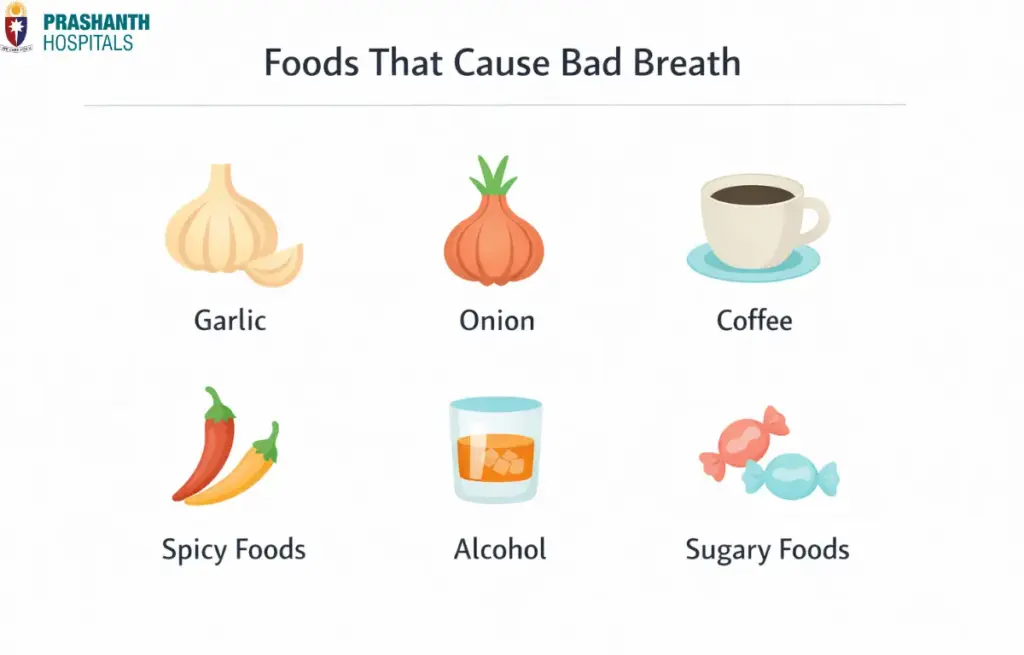
Between your teeth and in some of the difficult-to-reach areas of your mouth, food can get stuck. A bad odour may result from the chemical breakdown of food in the mouth caused by both physiological and bacterial effects. This might lead to morning breath problems and is considered one of the common causes of bad breath in adults. Many foods have strong flavours that can also contribute to bad breath. What foods then contribute to bad breath? These are a few of them:
- Coffee
- Onion
- Garlic
- Spices
- Alcohol
- Some varieties of cheese
- Soda
Certain dietary habits can also explain the causes of bad breath in children, especially when proper brushing habits are not followed.
3. Smoking, Chewing Tobacco & Cancer
In spite of the fact that chewing tobacco and smoked tobacco both produce odors, people who engage in these behaviors are more likely to have poor oral hygiene, gum disease, and other oral diseases that can result in unpleasant breath. Using tobacco can also put a person’s mouth and throat at risk of developing cancer. Tobacco use remains one of the serious causes of bad breath, particularly in long-term users.
4. Infections
Infections of the mouth, throat, or ears can all result in unpleasant breath.
People may suffer from bad breath due to a variety of medical conditions, including tonsillitis and tonsil stones. Infections of the middle ear are notorious for causing a putrid smell in the affected ear. In addition to these infections, infections of the upper respiratory tract are also factors that contribute to bad breath. These medical conditions are also recognized among the causes of persistent bad breath, especially when symptoms do not improve with regular oral care.
5. Medications
Individuals may experience bad breath as a side effect of taking certain medications. Dry mouth, which can be caused by some medications, is a major contributor to halitosis. Reduced saliva creates an environment where bacteria multiply easily, adding to the causes of bad breath.
6. Gastrointestinal diseases
Due to the fact that the mouth is a part of the alimentary canal that is a part of the digestive system, issues with the stomach and the intestines can lead to bad breath. Bad breath is one of the symptoms that can be associated with stomach ulcers that are caused by bacteria. It is also well-established that certain diseases, such as gastroesophageal reflux disease, also known as GERD, are among the primary causes of bad breath.
7. Salivary gland illnesses
Stones in the salivary glands, called sialoliths, can obstruct the salivary gland duct, reducing saliva production and leaving you with a dry mouth.Saliva washes away food particles and bacteria from the mouth, keeping it moist. Without saliva, odour- and bad-breath-causing bacteria can multiply and food can decay more rapidly. Salivary problems are also considered among the causes of bad breath in children, especially when hydration is poor.
How to Get Rid of Bad Breath in the Morning
There is no one treatment for halitosis. Addressing the underlying cause of bad breath is typically the first step in treating the condition. Here are a few things you can do to get rid of that morning breath:
- Brush your teeth twice a day
- Rinse with mouthwash
- Drink lots of water
- Manage your stress
- Scrape your tongue
- Gargle away
- Watch what you eat before bed
- Quit the cigarettes
A person can easily improve the smell of their breath by brushing their teeth thoroughly, using mouthwash and dental floss, and maintaining a healthy level of hydration to prevent their mouth from becoming dry.
A person can easily improve the smell of their breath by brushing their teeth thoroughly, using mouthwash and dental floss, and maintaining a healthy level of hydration to prevent their mouth from becoming dry. While bad breath may indicate an oral problem, it should not be dismissed because it can also be a symptom of a number of underlying diseases. Contact your dentist or physician as soon as possible to address your bad breath issues.
When to See a Health Care Professional for Bad Breath
Bad breath is common, especially first thing in the morning. In most cases, simple habits like brushing, tongue cleaning, and good hydration help freshen your breath. However, there are times when a visit to a dentist or doctor is the right choice.
You should consider professional help if bad breath:
- Persists despite good oral care. If brushing, flossing, and mouthwash don’t improve breath over several weeks, there may be an underlying issue.
- Comes with a sore or bleeding gums. This can be a sign of gum disease or infection.
- Is linked with dry mouth that doesn’t improve. Persistent dry mouth can increase odor and harm teeth.
- Occurs with pain, swelling, or bad taste. These symptoms may point to dental infections, abscesses, or sinus problems.
- Is strongest after meals that don’t normally cause bad breath. This could suggest food trapping, decay, or digestive issues.
In some cases, bad breath can be linked to medical conditions like sinus infections, acid reflux, or diabetes. A dentist first evaluates your mouth, gums, and tongue. If needed, they may recommend a referral to a physician for further evaluation.
Seeing a health care professional early can help identify the root cause and lead to the right solution. If your breath doesn’t improve with good daily habits, schedule a dental check-up to get personalized advice and care.
Conclusion
Morning breath is common, but ongoing bad breath should not be overlooked. In many cases, improving oral hygiene, staying hydrated, and being mindful of diet can significantly reduce odor. However, persistent symptoms may signal gum disease, infection, dry mouth, or other health concerns that require attention.
If bad breath continues despite proper care, it is important to consult a dentist or healthcare professional. Early evaluation can help identify the underlying cause and prevent complications. Fresh breath is not just about confidence — it reflects healthy teeth, gums, and overall well-being.