The journey of giving birth is a profound and life-changing experience for expectant parents. As the due date approaches, understanding the different birthing options available is crucial to make informed decisions about the childbirth process. Each method offers unique advantages, considerations, and outcomes, allowing parents to choose what aligns best with their preferences and medical needs. Knowing the types of birth delivery helps parents prepare better for the labor experience.
Natural Birth: Embracing the Body’s Natural Process
Natural birth, also known as vaginal birth without medical interventions, relies on the body’s natural ability to deliver a baby. This method encourages minimal intervention, focusing on the mother’s comfort and ability to manage labor through breathing techniques and relaxation.
Benefits of Natural Birth:
- Shorter recovery time.
- Lower risk of complications.
- Enhanced bonding between mother and baby.
Preparation for natural childbirth includes attending childbirth education classes, learning relaxation techniques, and having a supportive birthing partner. Understanding types of pregnancy delivery ensures you can make informed choices about natural and assisted methods.
Water Birth: A Gentle Option
Water birth involves laboring and delivering in a warm water tub or pool. The buoyancy of water helps ease pain, reduces stress, and provides greater freedom of movement during labor.
Advantages of Water Birth:
- Shorter labor duration.
- Reduced anxiety and discomfort.
- A smoother transition for the baby from the womb to the outside world.
It’s important to ensure a sterile birthing environment and carefully monitor water temperature to reduce the risk of infection. Water birth is one of the common types of baby delivery preferred by mothers seeking a gentle experience.
Cesarean Section: A Surgical Approach
A cesarean section (C-section) is a surgical procedure where the baby is delivered through an incision in the abdomen and uterus. This method is often necessary for:
- Fetal distress.
- Breech presentation.
- Maternal health complications.
While C-sections ensure the safety of mother and baby in certain situations, they involve longer recovery periods and higher risks compared to vaginal births. Expectant parents should discuss this option with their healthcare provider and include it in their birth plan if necessary. Knowing how many types of delivery are available can help in planning for a C-section if needed.
Vaginal Birth After Cesarean (VBAC)
For women who have previously had a C-section, VBAC offers the option of vaginal delivery in subsequent pregnancies. This method reduces surgical risks and shortens recovery time but requires careful evaluation and monitoring to minimize complications such as uterine rupture.
Ideal candidates for VBAC:
- Women with one prior C-section.
- A healthy and low-risk pregnancy.
- No recurring issues from the previous delivery.
VBAC is another example of types of baby delivery that can be considered safely under medical supervision.
Hospital Birth: A Secure and Comprehensive Option
Hospital births are the most common choice for expectant parents, providing access to medical interventions, expert care, and emergency resources. Hospitals offer:
- Pain relief options like epidurals.
- Immediate access to emergency procedures like C-sections.
- Monitoring for high-risk pregnancies or pre-existing conditions.
Hospital births are especially recommended for women with complications or those who prefer a controlled and well-equipped environment. Awareness of types of birth delivery in hospitals helps parents decide on the safest environment for childbirth.
Home Birth: A Personalized Approach
Home birth, attended by a certified midwife or trained birth attendant, allows mothers to deliver in the comfort of their home. However, this option is generally not recommended for high-risk pregnancies due to:
- Limited access to emergency care.
- Increased risks during complications, such as fetal distress or hemorrhage.
Choosing home birth requires understanding how many types of delivery options are suitable for low-risk pregnancies.
Assisted Vaginal Delivery
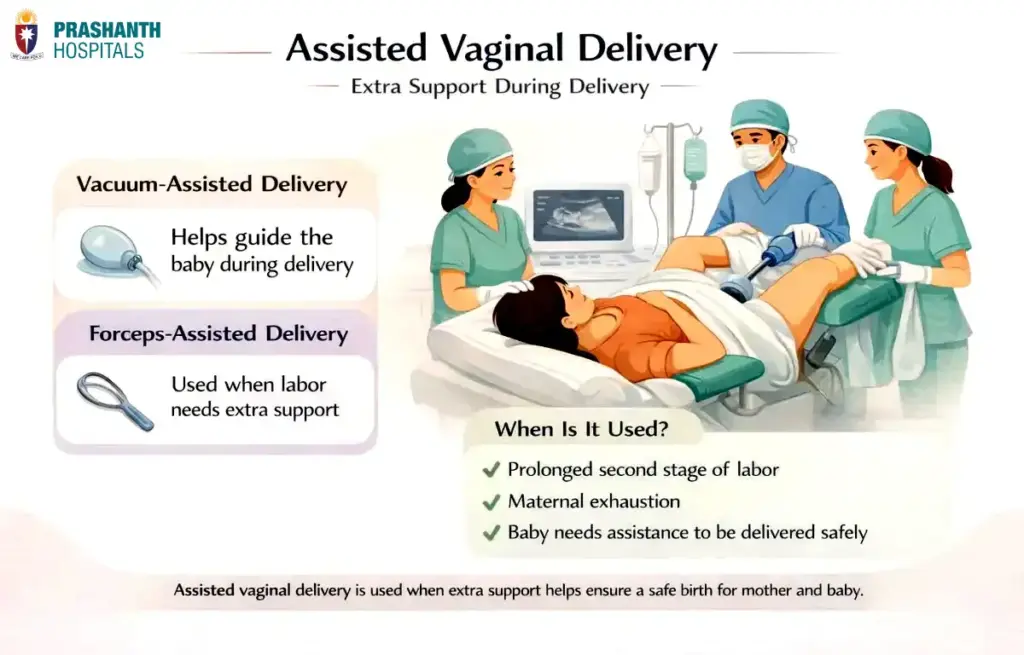
Assisted vaginal delivery is a type of birth delivery where tools like forceps or a vacuum device are used to help the baby pass through the birth canal. This method is usually recommended when labor is prolonged, the baby shows signs of distress, or the mother is unable to push effectively. It is a safe procedure when performed by an experienced doctor.
Benefits of Assisted Vaginal Delivery:
- Reduces the duration of labor and associated maternal fatigue.
- Helps in safely delivering babies showing signs of distress.
- Minimizes the need for emergency cesarean section in certain cases.
- Can support mothers with conditions that make pushing difficult.
Assisted vaginal delivery is one of the key types of pregnancy delivery that doctors may consider depending on the mother’s and baby’s health during labor. It is important to discuss options with your healthcare provider to understand the best approach for your individual situation. Understanding types of birth delivery can help expectant mothers prepare and make informed decisions.
Making Informed Birthing Choices
Choosing the right birthing method depends on personal preferences, medical considerations, and guidance from healthcare providers. Here’s how to prepare:
- Discuss birthing preferences with your doctor or midwife.
- Attend childbirth education classes to understand different birthing techniques.
- Create a birth plan that reflects your choices and priorities.
Different Types of Birth: Key Considerations
To make an informed decision, consider the following:
- Types of Birthing Methods: Explore natural, water, and surgical options.
- Pain Management Preferences: Decide whether you prefer minimal intervention or pain relief options like epidurals.
- Health and Safety: Ensure the chosen method aligns with your medical history and current pregnancy health.
- Environment: Choose between a hospital, home, or birthing center based on your comfort and safety requirements.
Understanding types of birth delivery and types of baby delivery allows expectant parents to approach childbirth with confidence and clarity.
Conclusion: Your Birth, Your Choice
Understanding the different types of birth delivery allows expectant parents to approach childbirth with confidence and clarity. Whether opting for a natural birth, water birth, or C-section, the key is to prioritize safety and comfort for both mother and baby. Discuss your preferences with your healthcare provider and prepare for a memorable and positive birthing experience.