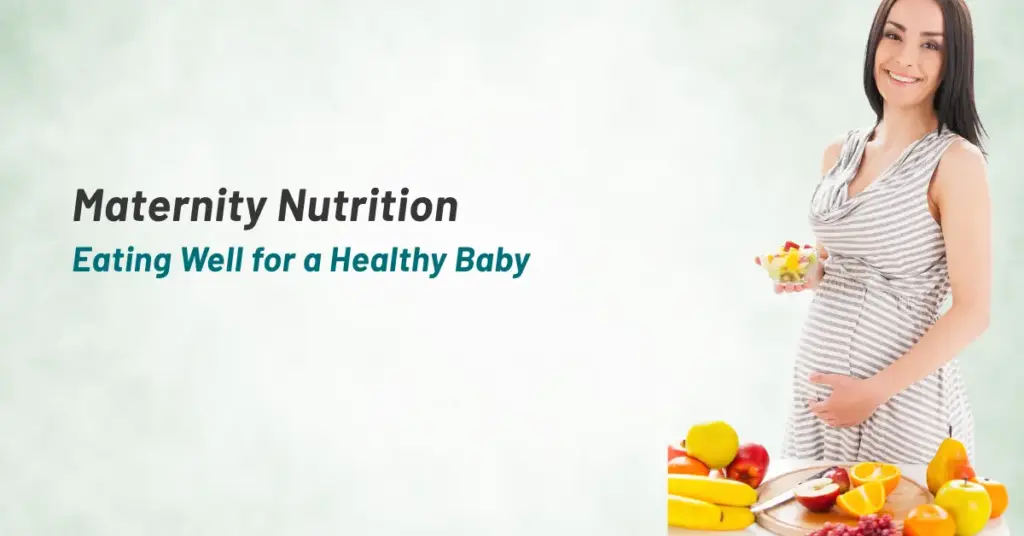
Pregnancy is a special time in a woman’s life, filled with excitement, anticipation, and joy. Along with the emotional journey, maintaining proper nutrition is crucial for both the mother’s health and the development of the growing baby. Following a healthy diet in pregnancy supports overall well-being and fetal growth. In this blog post, we will explore the importance of maternity nutrition and provide valuable tips for eating well during pregnancy to ensure a healthy outcome for both mother and baby. A healthy diet in pregnancy lays the foundation for a smoother pregnancy journey.
1. Balanced Diet for Pregnancy
During pregnancy, it’s essential to consume a balanced diet that provides all the necessary nutrients for both the mother and the developing baby. A balanced diet for a pregnant woman should include a variety of fruits, vegetables, whole grains, lean proteins, and healthy fats. Aim to incorporate foods from all food groups to ensure you’re getting a diverse range of nutrients and meeting the nutritional requirements during pregnancy, which is key to maintaining a healthy diet in pregnancy.
2. Essential Nutrients for Pregnancy
Certain nutrients play a crucial role in supporting a healthy pregnancy and fetal development. These include:
- Folic Acid: Important for preventing neural tube defects in the baby.
- Iron: Needed for the production of red blood cells and to prevent anemia.
- Calcium: Essential for building strong bones and teeth in the baby.
- Protein: Important for the growth and development of tissues and organs.
- Omega-3 Fatty Acids: Support brain and eye development in the baby.
Including nutritious food during pregnancy helps meet these needs and supports a healthy diet in pregnancy.
3. Foods to Avoid During Pregnancy
While it’s important to focus on consuming nutrient-rich foods, there are also certain foods and substances that should be avoided during pregnancy. These include:
- Raw or undercooked meat, eggs, and seafood.
- Unpasteurized dairy products and soft cheeses.
- High-mercury fish such as shark, swordfish, king mackerel, and tilefish.
- Alcohol, caffeine, and excessive amounts of added sugars.
- Deli meats and processed meats.
4. Healthy Eating Habits During Pregnancy
In addition to focusing on nutrient-rich foods, it’s also important to practice healthy eating habits during pregnancy. This includes:
- Eating small, frequent meals to help alleviate nausea and prevent heartburn.
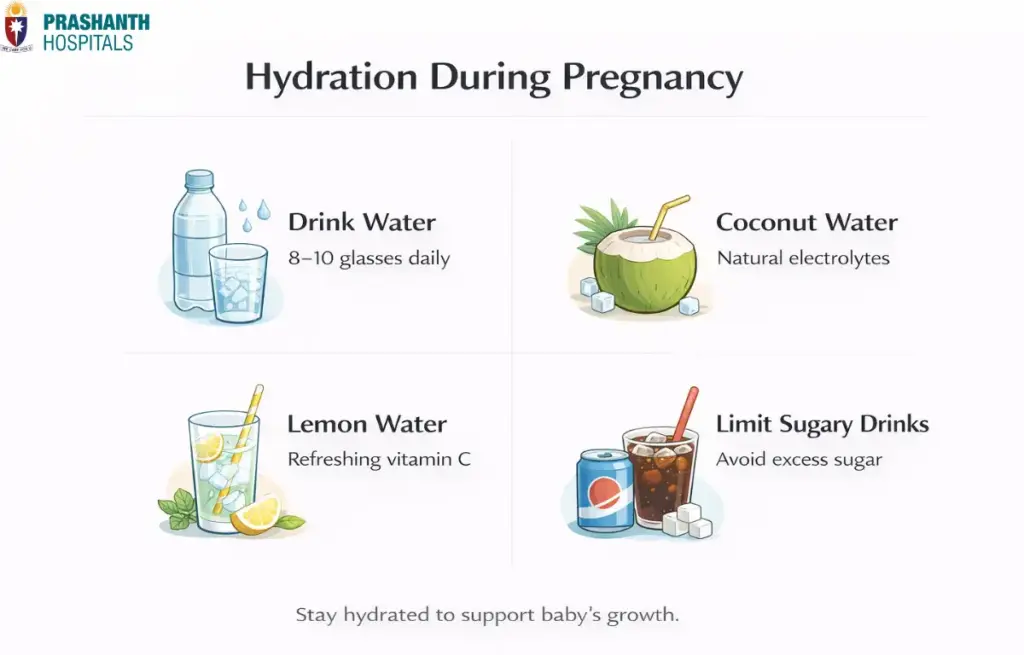
- Drinking plenty of water to stay hydrated and support healthy digestion.
- Listening to your body’s hunger and fullness cues.
- Incorporating physical activity into your daily routine, with guidance from your healthcare provider.
- Seeking prenatal care and guidance from a registered dietitian or healthcare professional to address any specific nutritional needs or concerns.
Seeking prenatal care and guidance from a registered dietitian or healthcare professional to address any specific nutritional needs or concerns while continuing a healthy diet in pregnancy.
The Importance of Folic Acid
Folic acid is one of the most important nutrients for women who are planning a pregnancy or are in the early weeks of pregnancy. It supports healthy cell growth and plays a key role in early fetal development. Because critical development happens before many women know they are pregnant, folic acid intake should begin early and continue as advised by a doctor.
Folic acid is especially important because it helps prevent serious birth defects that affect the baby’s brain and spine. These defects develop very early in pregnancy, often within the first month after conception. Adequate intake before and during early pregnancy significantly lowers this risk.
Folic acid is found in:
- Green leafy vegetables such as spinach and broccoli
- Lentils, chickpeas, beans, and peas
- Citrus fruits like oranges and lemons
- Whole grains and fortified cereals
- Prenatal vitamins and folic acid supplements
Doctors usually recommend a daily folic acid supplement for all women of childbearing age. Some women, such as those with anemia, diabetes, or seizure disorders, may need a higher dose under medical guidance.
Starting folic acid early is a simple step that supports a healthier pregnancy and safer fetal development.
Healthy Weight Gain During Pregnancy
Healthy weight gain during pregnancy is a normal and necessary part of supporting your baby’s growth. Gaining weight steadily helps form the placenta, amniotic fluid, and increased blood volume, while also supporting your baby’s development. The focus is not on avoiding weight gain, but on gaining the right amount for your body.
A practical approach during pregnancy is to eat when you are hungry, choose nourishing foods, and track weight gain during routine antenatal visits. Your obstetrician, midwife, or dietitian can guide you based on your health and pregnancy needs.
Recommended Weight Gain Based on Pre-Pregnancy BMI
| BMI at Start of Pregnancy (kg/m²) | Weight Category | Recommended Weight Gain (kg) |
| Below 18.5 | Underweight | 12.5 – 18.0 |
| 18.5 – 24.9 | Healthy weight | 11.5 – 16.0 |
| 25.0 – 29.9 | Overweight | 7.0 – 11.5 |
| 30 and above | Obese | 5.0 – 9.0 |
Pregnancy is not the time for dieting or weight loss, even if you were overweight before conception.
To support healthy weight gain during pregnancy:
- Eat balanced meals from all food groups
- Limit foods high in sugar, salt, and saturated fat
- Stay physically active with pregnancy-safe activities
- Attend regular antenatal check-ups for monitoring
Healthy weight gain supports a safer pregnancy for both mother and baby.
Conclusion
In conclusion, maternity nutrition plays a vital role in supporting a healthy pregnancy and ensuring the optimal development of the baby. By focusing on consuming a balanced diet rich in essential nutrients, avoiding harmful substances, and practicing healthy eating habits, expectant mothers can set the foundation for a successful and fulfilling pregnancy journey. Remember, every bite you take contributes to your baby’s growth and well-being, making a healthy diet in pregnancy an important daily priority.