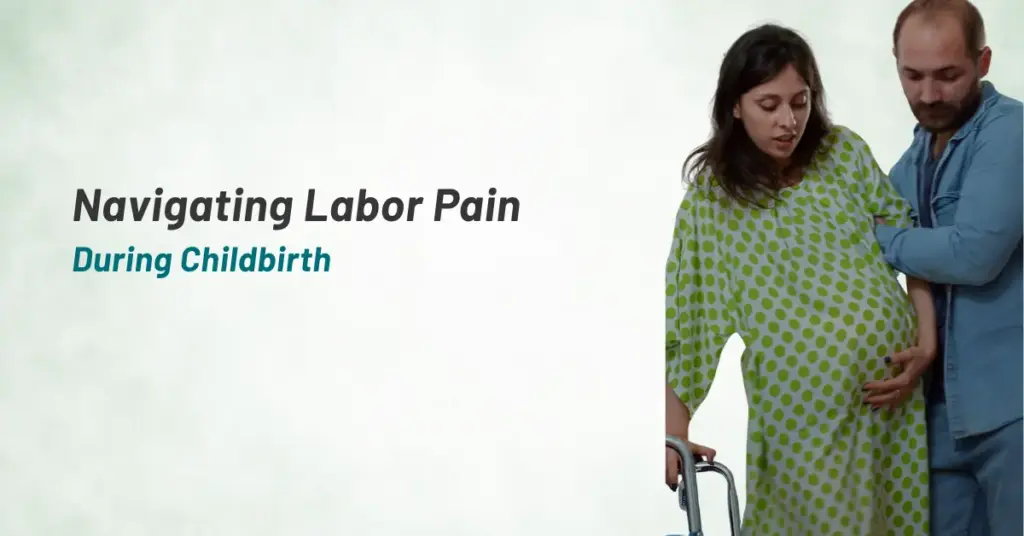
Childbirth is a miraculous and profound journey, but it’s no secret that labor pain can be intense and challenging. Pain during labor is caused by uterine muscle contractions and pressure on the cervix. This pain can be described as severe cramping in the abdomen, groin, and back, as well as an aching sensation. Some women feel pain in their sides or thighs as well. Understanding pain management in labor early helps expectant mothers feel more prepared and confident.
What Does Labor Pain Feel Like?
Each person’s labor is one-of-a-kind, and the experience of labor pain varies from individual to individual. The level of discomfort experienced during childbirth can vary based on various factors such as the size and position of the baby, the intensity of contractions, and an individual’s personal pain threshold.
Fortunately, modern medicine offers a range of options for pain management during childbirth. If you’re wondering how to manage labor pain in pregnancy, knowing your options beforehand can help you make informed decisions and reduce anxiety.
Epidural Analgesia
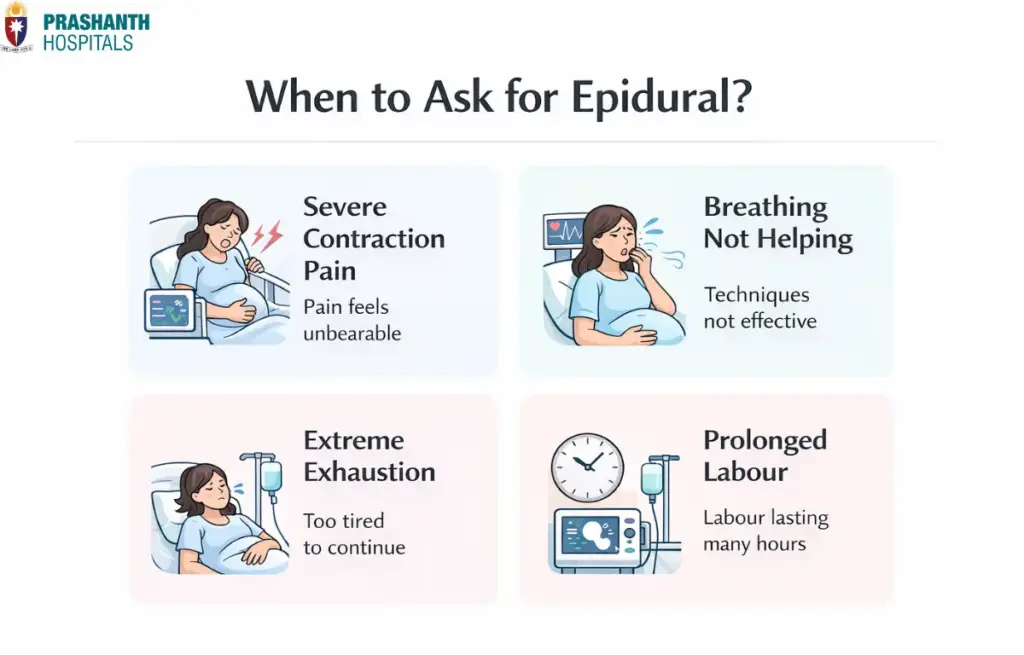
Epidural analgesia is one of the most effective methods of pain relief during labor. It involves the insertion of a catheter into the epidural space of the spine, through which a combination of local anesthetics and opioids is administered. Epidurals provide excellent pain relief while allowing the mother to remain awake and alert. They are especially useful for prolonged labors or cesarean deliveries and form a key component of modern pain management in labor strategies.
Nitrous Oxide
Nitrous oxide is a safe and non-invasive option for pain relief during labor. It is self-administered by the mother through a mask, providing a sense of relaxation and reducing the perception of pain. Nitrous oxide is quickly eliminated from the body, allowing mothers to remain mobile and actively participate in labor. It is often used as a complementary option or as a primary method for women who prefer to avoid epidurals.
Intravenous Medications
Intravenous medications, such as opioids like fentanyl or morphine, may be administered to provide temporary pain relief during early labor. While they can help take the edge off contractions, they may also cause drowsiness and affect the baby’s breathing if given too close to delivery. Intravenous medications are typically used when epidurals or other pain relief options are not available or preferred.
Natural Pain Management Techniques
Many women prefer natural techniques to cope with labor pain. These include:
- Breathing exercises and relaxation
- Massage and hydrotherapy (water immersion)
- Visualization and mindfulness
While they do not eliminate pain entirely, these methods enhance coping and are often combined with medical options. Learning how to manage labor pain through these techniques empowers women to feel more in control.
TENS Therapy
Transcutaneous electrical nerve stimulation (TENS) therapy involves the use of a small, battery-operated device that delivers mild electrical impulses to specific areas of the body. TENS units are often used to alleviate back pain during labor by blocking pain signals to the brain. They are safe, non-invasive, and can be used in conjunction with other pain relief methods.
Stages of Labor
Labor is a natural process, and knowing its stages can help reduce anxiety. Let’s break it down simply.
First Stage: Early and Active Labor
labor starts with contractions that may feel like mild cramps or back pressure. Early labor can last several hours, and you may feel tired or anxious. As contractions become stronger and closer, the cervix gradually opens from 4 cm to 10 cm.
- Gentle movement, changing positions, or deep breathing can ease discomfort.
- Support from a birth partner or nurse provides reassurance.
Pain management in labor is key. Options range from breathing techniques and massage to medical interventions like epidurals. Discussing your preferences with your doctor beforehand ensures you feel in control.
Second Stage: Delivery of the Baby
Once the cervix is fully dilated, pushing begins. Duration varies from minutes to hours. Your medical team guides your efforts, helping manage fatigue and encouraging effective pushing.
Third Stage: Delivery of the Placenta
After the baby is born, milder contractions deliver the placenta. Healthcare providers monitor for bleeding and ensure both mother and baby are stable.
Understanding these stages helps you know what to expect and reduces fear. If you’re worried about the intensity of contractions, speaking with your doctor can provide clarity and reassurance.
How Can I Prepare Myself for Labor?
Preparation for labor is both physical and emotional. Being informed and practicing techniques beforehand can make the experience smoother.
Educate Yourself: Learn about labor stages, interventions, and common experiences. Prenatal classes or hospital tours help you feel confident and familiar with the process.
Physical Preparation: Light exercise, prenatal yoga, walking, and pelvic floor exercises strengthen muscles used during labour. Practicing breathing techniques and positions also helps cope with contractions.
Emotional Preparation: Mindfulness, meditation, and guided visualization reduce stress. Sharing fears with a partner or healthcare provider provides reassurance.
Pain Management Strategies: You might be wondering how to manage labor pain. Non-medical methods include movement, showers, heat packs, or birthing balls. Medical options, discussed with your doctor, may include epidurals or analgesics. Knowing how to manage labor pain during delivery ahead of time allows you to feel more in control.
Practical Planning
- Pack a hospital bag
- Arrange transport and support
- Discuss birth preferences with your doctor
Being prepared physically, mentally, and emotionally empowers you to stay calm and make informed choices. Consulting your healthcare provider for guidance tailored to your pregnancy is always recommended.
Conclusion
Navigating labor pain is a deeply personal experience. Enduring childbirth pain does not define your strength or value as a mother. With preparation, education, and understanding how to manage labor pain during delivery, you can create a birth plan aligned with your preferences. Combining natural and medical approaches ensures a positive, empowering, and safe childbirth experience. Prioritizing pain management in labor helps reduce stress and supports both mother and baby throughout this transformative journey.
Check out Natural Remedies for Common Pregnancy Discomforts.