Bringing a new life into the world is a journey filled with wonder and anticipation. However, for many expectant mothers, the prospect of labor pain can overshadow the joy of childbirth. Fortunately, modern medicine offers a solution: painless delivery, also known as epidural anesthesia. In this blog, we’ll explore the beauty of what is painless delivery, what it entails, and everything you need to know to make an informed decision about your birthing options.
Understanding Epidural Anesthesia
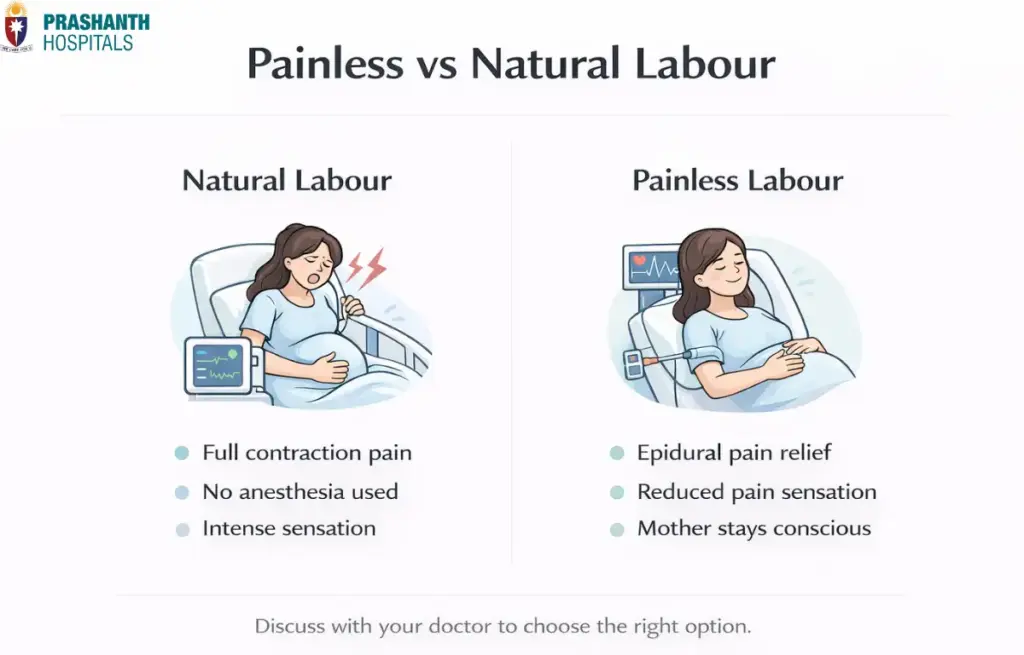
Epidural anesthesia is a medical procedure designed to alleviate the pain of childbirth while allowing the mother to remain conscious and actively participate in the birthing process. During epidural administration, a local anesthetic is injected into the lower back, numbing the nerves that transmit pain signals from the uterus and cervix to the brain. This effectively blocks the sensation of labor pain, providing relief without compromising maternal consciousness. Understanding what is painless delivery in India is important for expectant mothers seeking safe and effective labor pain management options.
Benefits of Painless Delivery
The benefits of painless delivery extend beyond pain relief alone. By minimizing the discomfort associated with childbirth, epidural anesthesia allows mothers to conserve their energy and focus on the birthing experience with greater clarity and calmness. This can promote a more positive and empowering birth experience, facilitating bonding with the newborn and reducing the risk of maternal exhaustion and distress.
Furthermore, epidural painless delivery offers practical advantages for healthcare providers, allowing for smoother labor progression and reducing the need for emergency interventions in certain cases. By promoting maternal comfort and relaxation, epidural anesthesia can also contribute to more favorable birth outcomes and shorter recovery times for both mother and baby.
Who Can Opt for Painless Delivery
While what is painless delivery is generally safe and effective for most expectant mothers, certain factors may influence eligibility and candidacy for epidural anesthesia. Gestational age, maternal health status, and pre-existing medical conditions are among the considerations that healthcare providers take into account when determining suitability for epidural administration.
In some cases, epidural anesthesia may be contraindicated, such as in instances of pre-existing neurological disorders, bleeding disorders, or allergies to local anesthetics. Additionally, mothers with certain medical conditions or high-risk pregnancies may require specialized monitoring and evaluation prior to receiving epidural anesthesia. Knowing what is painless normal delivery can help mothers make informed decisions in consultation with their healthcare team.
What to Expect During Painless Delivery
The process of receiving epidural anesthesia typically begins with an initial assessment by an anesthesiologist, who will evaluate the mother’s medical history and discuss the risks and benefits of epidural administration. Once deemed eligible, the mother will be guided through the placement of an epidural catheter, which delivers the anesthetic medication to the desired location in the spine.
Throughout labor and delivery, the anesthesiologist and healthcare team will monitor the mother’s vital signs and adjust the epidural dosage as needed to maintain optimal pain relief while preserving maternal mobility and sensation. It’s important for mothers to communicate any concerns or discomfort during the labor process, as adjustments can be made to enhance comfort and effectiveness. Understanding what is painless delivery in India helps mothers know what to expect during their hospital stay.
The Risks or Side Effects of Epidural
An epidural is one of the safest ways to ease labour pain. But like all medical procedures, it has potential side effects. Most are temporary and manageable with good medical care. Using an epidural is often part of what is painless delivery.
Common, usually mild side effects
- Low blood pressure: This can make you feel dizzy. Your blood pressure is monitored closely, and fluids or medicines are given if needed.
- Itching or nausea: Some women feel itchy or slightly sick after the medicines are given.
- Fever: A mild rise in temperature may occur during labour after an epidural.
- Difficulty urinating: You may need a catheter until the numbness wears off.
- Back soreness: Mild tenderness at the needle site may last a few days.
Rare but important side effect
- Nerve or spinal injury: Extremely rare, but possible when the needle hits a nerve.
- Infection or bleeding: Very uncommon, but sterile techniques and careful monitoring lower this risk.
Talk openly with your doctor. Knowing what to expect helps you feel more confident and safe. Nurses and anesthetists will monitor you throughout labour to keep you and your baby comfortable and secure.
Postpartum Care and Recovery
Following a painless delivery, mothers may experience temporary side effects such as numbness in the lower body, changes in blood pressure, and difficulty urinating. These effects typically resolve within a few hours after the discontinuation of epidural anesthesia. It’s important for mothers to receive ongoing support and monitoring from healthcare providers during the postpartum period, addressing any concerns or complications that may arise.
In addition to physical recovery, postpartum care encompasses emotional and psychological support for new mothers as they adjust to the demands of parenthood and navigate the challenges of early infancy. Support groups, lactation consultants, and community resources can offer valuable guidance and encouragement during this transformative period.
Myths About Painless Delivery — Myth vs Fact
There are many myths about epidurals and painless delivery. Let’s look at what research shows so you can make a calm, informed choice. This section also helps explain what is painless normal delivery to new mothers.
Myth 1: Epidurals cause permanent back pain
- Fact: Some discomfort at the needle site can happen for a few days, but long‑term back pain is not linked to epidurals. Everyday activities after birth (like lifting and posture) are more likely causes of back strain.
Myth 2: Epidurals harm the baby
- Fact: The doses used for labour pain relief are very low and do not harm the baby. Continuous monitoring ensures the baby’s heart rate stays healthy throughout.
Myth 3: Epidurals always slow down labour
- Fact: Research shows that epidurals do not significantly slow labour. Occasionally, they may slightly lengthen the pushing phase, but trained staff support you through this.
Myth 4: Having an epidural means you can’t push properly
- Fact: Modern epidurals are adjusted so you feel enough pressure to know when to push, but not pain. You stay awake and active in your delivery.
Myth 5: Everyone can have an epidural
- Fact: Most women are good candidates, but certain health conditions (like bleeding disorders or spine issues) may mean an epidural isn’t safe. Your doctor will discuss this with you ahead of time.
Painless Delivery – A Boon for Expectant Mothers!
Painless delivery represents a remarkable advancement in modern obstetrics, offering expectant mothers the opportunity to embrace childbirth with greater comfort, confidence, and control. By understanding the beauty of what is painless delivery and exploring available options for labor pain management, mothers can approach the birthing experience with empowerment and peace of mind. Ultimately, the journey of childbirth is a deeply personal and profound experience, and painless delivery serves as a testament to the remarkable capabilities of modern medicine in enhancing maternal well-being and promoting positive birth experiences.