

When you have a routine blood test, one of the results you may notice is your white blood cell (WBC) count. If your WBC count is high, it’s natural to feel concerned. But what does it actually mean? Let’s explore what a high white blood cell count indicates, the possible causes, and how to know when to worry about white blood cell count.
What Does a High White Blood Cell Count Mean?
White blood cells are an essential part of your immune system, helping your body fight infections and other diseases. A high white blood cell count — known as leukocytosis — means your body is producing more WBCs than usual. This can happen for a variety of reasons, ranging from mild infections to more serious conditions.
Common Causes of High White Blood Cell Count
If you’re wondering about high white blood cell count causes, here are some of the most common:
- Infections: Bacterial, viral, or fungal infections can trigger your immune system to produce more WBCs.
- Inflammation:Conditions like arthritis or inflammatory bowel disease can lead to elevated white blood cells.
- Stress and Physical Trauma: Both emotional stress and physical injuries can temporarily raise your WBC count.
- Allergic Reactions: Severe allergies or asthma can sometimes cause a higher count.
- Medications: Certain drugs, like corticosteroids, can lead to a WBC count high result.
- Bone Marrow Disorders: In rare cases, blood cancers like leukemia or other bone marrow diseases can cause extremely high WBC levels.
These are the key high white blood cell count causes that may help you understand what could be affecting your health.
Types of White Blood Cells
White blood cells (WBCs), or leukocytes, play a vital role in defending the body against infections, inflammation, and foreign invaders. There are five main types of WBCs, each serving a unique function in the immune response:
- Neutrophils: These are the most common type of WBC. They act as the first line of defense against bacterial and fungal infections by engulfing and destroying harmful microorganisms.
- Lymphocytes: This group includes B cells, T cells, and natural killer (NK) cells. They help recognize pathogens, produce antibodies, and regulate immune responses, especially against viruses.
- Monocytes: The largest type of white blood cell. Once they leave the bloodstream, they become macrophages that clean up dead cells and pathogens in tissues.
- Eosinophils: These cells are important in combating parasites and play a key role in allergic responses.
- Basophils: Though the least common, they release histamine and other chemicals during allergic reactions and help in defense against certain parasites.
Identifying which type of WBC is elevated can help doctors determine specific high white blood cell count causes, from infections to autoimmune disorders or even more serious conditions.
High White Blood Cell Count During Pregnancy
Pregnancy brings natural physiological changes, and a moderately elevated white blood cell count is one of them. It is common for WBC levels to rise during pregnancy, especially in the third trimester. This is considered a normal immune adaptation to protect both the mother and the developing baby.
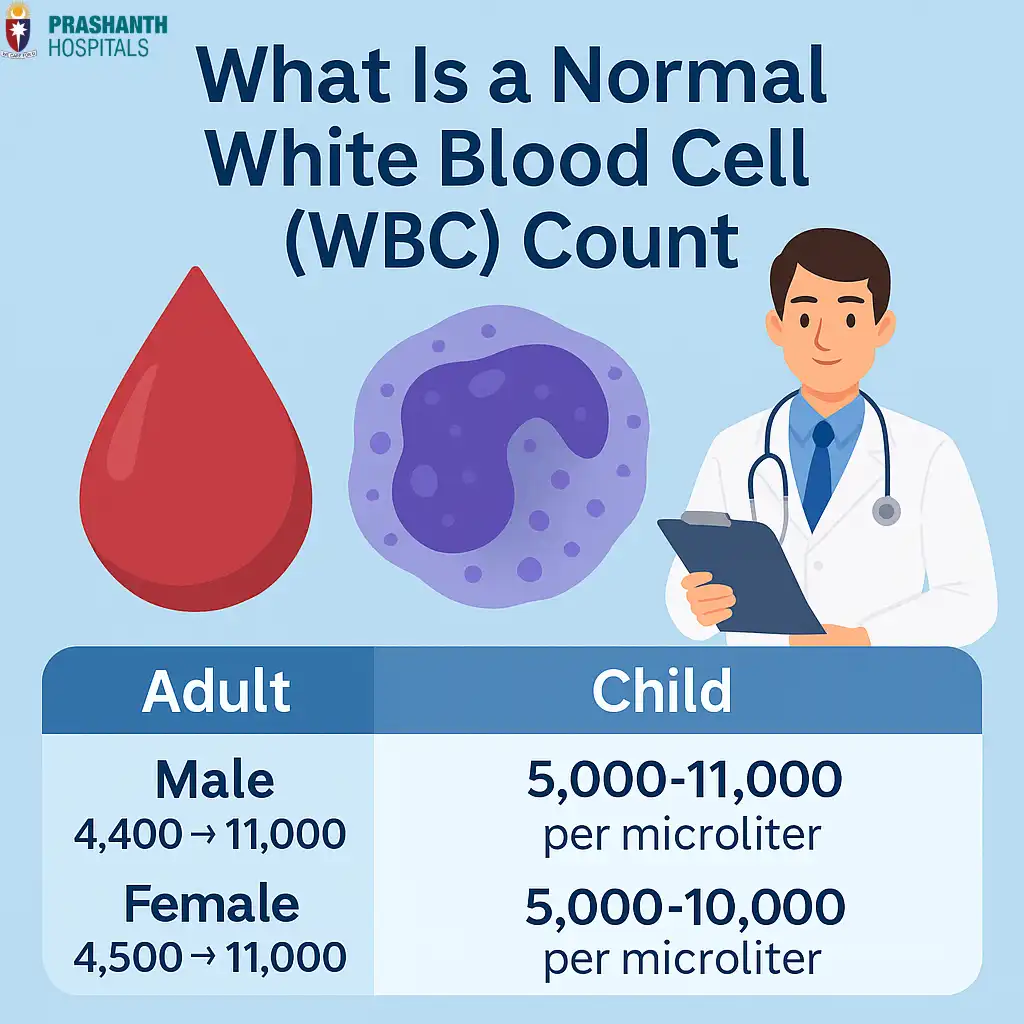
Typically, a normal white blood cell count ranges up to about 11,000 cells/µL in non-pregnant adults. During pregnancy, this upper limit may increase to approximately 15,000 cells/µL. Temporary spikes may also occur due to labor or physical stress.
However, significantly elevated levels, particularly when accompanied by symptoms such as fever, fatigue, or infection signs, may require further medical evaluation. Many people ask, “what is a dangerous white blood cell count?” Although the answer can vary, a count well above the normal pregnancy range—especially if nearing or exceeding 30,000 cells/µL—may signal infection or a more serious condition needing immediate attention.
If you’re pregnant and concerned about your blood test results, it’s important to consult a healthcare provider who can interpret your WBC count in the full clinical context.
When to Worry About White Blood Cell Count
A mildly elevated white blood cell count is often a temporary response to infection or stress. But you should consult a doctor if:
- Your WBC count is extremely high
- You have persistent fever, night sweats, or unexplained weight loss
- You notice unusual bruising, bleeding, or fatigue
These could signal a more serious underlying condition that needs prompt medical attention.
Final Thoughts
A high white blood cell count doesn’t always mean something serious, but it’s worth understanding what’s behind it. If your test shows a WBC count high, your doctor will likely order more tests to pinpoint the cause. Paying attention to your symptoms and following up with a healthcare professional will help ensure the right treatment if needed.