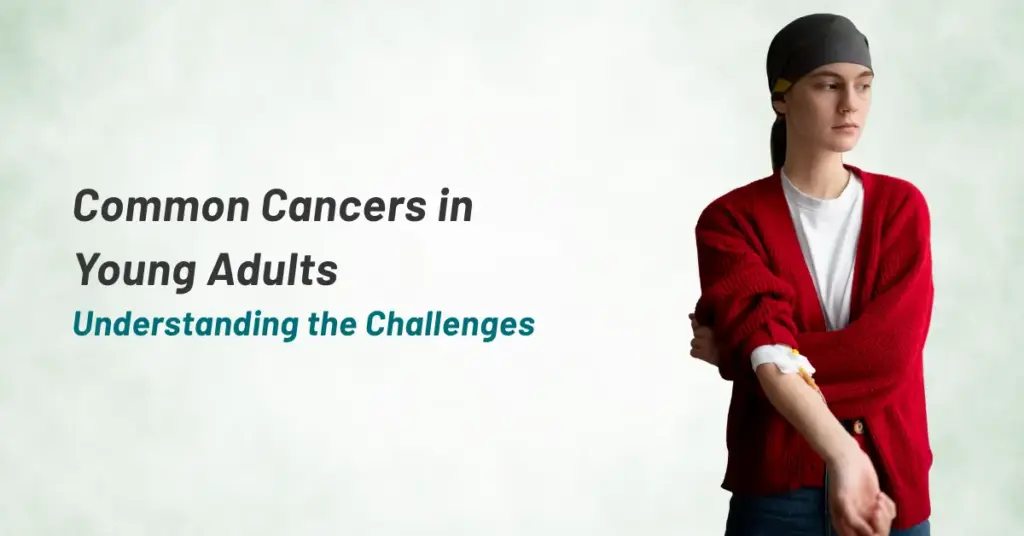
Cancer is less common among young adults compared with older age groups, but certain cancers can still occur during this stage of life. Common Cancers in Young Adults include breast cancer, testicular cancer, cervical cancer, thyroid cancer, lymphoma, leukemia, melanoma, colorectal cancer, and certain bone and soft tissue cancers.
Understanding these cancers does not mean expecting the worst from every symptom. Awareness helps young adults notice unusual changes, seek timely medical advice, and improve the chances of early diagnosis and effective treatment.
Understanding Cancer in Young Adults
Cancer is often seen as a disease of older age. But it can affect people at any stage of life, including young adulthood.
Young adults are generally people between the late teens and early 40s. This phase is usually tied to education, career growth, relationships, and personal development. Because serious illness is not commonly expected during this time, symptoms are sometimes overlooked or blamed on stress or lifestyle changes.
Cancer in young adults still needs a balanced view. It remains uncommon in this age group compared with older adults. But certain cancer types are more closely linked to younger people. How cancer shows up, the treatments needed, and the emotional impact can also look different in younger patients.
Cancer awareness for young adults is not about creating fear. It is about understanding your body better, noticing meaningful changes, and getting checked when something does not feel normal.
Early detection matters because many cancers respond better to treatment when caught early.
Why Can Cancer Occur in Young Adults?
Cancer starts when changes happen in a cell’s DNA. These changes affect how cells grow and divide. Abnormal cells can then multiply and form a tumor, or affect how the body works.
In young adults, cancer usually develops from a mix of factors. These include biology, genetics, environment, and lifestyle. In many cases, there is no single clear cause.
Some contributing factors include:
- Inherited genetic changes: Some people inherit gene changes that raise their risk of certain cancers at a younger age. Knowing your family history can help identify who may need closer monitoring or genetic testing.
- Lifestyle and environmental influences: Long-term exposure to tobacco, heavy alcohol use, unhealthy eating habits, obesity, and certain environmental exposures may raise cancer risk.
- Hormonal and biological factors: Some cancers are affected by hormone activity or natural body processes. This can shape how they develop and grow.
- Random cellular changes: Sometimes genetic changes happen naturally during cell division, without any outside cause. These changes can occasionally lead to uncontrolled cell growth.
Not every cancer can be predicted or prevented. But awareness and timely medical care can still shape outcomes.
Common Cancers in Young Adults
Cancer patterns vary by age, genetics, geography, and personal health history. Still, certain cancers show up more often in young adults than others.
| Cancer Type | Importance in Young Adults |
| Breast Cancer | Becomes more common with age, but can occur in younger women. Unusual breast changes need careful evaluation. |
| Testicular Cancer | One of the cancers diagnosed more often in younger men. Outcomes are often good with early treatment. |
| Cervical Cancer | Regular screening and vaccination lower risk and help catch changes early. |
| Thyroid Cancer | Can occur in younger adults. Often found through thyroid nodules or neck swelling. |
| Lymphoma | Affects the lymphatic system and can occur in younger people. May cause persistent swelling or unexplained body changes. |
| Leukemia | A blood cancer that can affect young adults. May cause symptoms tied to changes in blood cell production. |
| Melanoma and Skin Cancer | Can occur at younger ages, especially with significant sun exposure over time. |
| Colorectal Cancer | Traditionally linked to older adults, but cases in younger adults are rising. |
| Bone and Soft Tissue Sarcomas | Rare, but can affect younger age groups. May cause persistent lumps, swelling, or bone-related symptoms. |
Each cancer type has its own causes, symptoms, treatments, and outcomes. Awareness should focus on noticing unusual changes, not assuming every symptom means cancer.
Expert Insight Cancer symptoms in young adults can be easy to miss because serious illness is not expected at this age. Changes that are persistent, unexplained, or getting worse should be checked, not ignored. Timely diagnosis can shape treatment options and outcomes.
How Cancer in Young Adults Can Differ From Cancer in Older Adults
Cancer care is not just about finding the disease. It is also about understanding how age, biology, lifestyle, and future goals shape the person’s needs.
Young adults often need different care than older patients. A diagnosis can arrive during a stage of life focused on education, career growth, relationships, and long-term planning. This makes personalized care especially important.
- Cancer types and behavior can vary: Cancers like testicular cancer, lymphoma, leukemia, and some sarcomas show up more often in younger age groups. Some also behave differently, which can shape treatment choices.
- Treatment planning considers future goals: For young adults, doctors may talk about fertility preservation, staying physically active, returning to work or studies, and managing long-term treatment effects.
- Emotional and social support matters: A cancer diagnosis in early adulthood can affect personal goals, relationships, and mental health. Full cancer care includes support for these challenges, not just medical treatment.
- Long-term follow-up is important: Many young adults have decades of life ahead after treatment. Survivorship care focuses on monitoring health, managing side effects, and protecting quality of life.
- Expert Insight Cancer care in young adults means looking beyond the disease itself. Treatment plans weigh both cancer control and the person’s long-term health, goals, and quality of life.
Warning Signs of Cancer Young Adults Should Not Ignore
Many symptoms in young adults come from common, non-serious conditions. But some changes need medical attention, especially if they persist, worsen, or have no clear cause.
- Unexplained weight loss: Losing weight without changes in diet, exercise, or lifestyle may signal an underlying issue worth checking.
- Persistent fatigue: Ongoing tiredness that does not improve with rest may need evaluation, especially alongside other symptoms.
- New or persistent lumps: A lump or swelling that keeps growing, changes, or does not go away should be examined.
- Unexplained pain: Pain without a clear cause, especially if it continues despite usual remedies, should not be brushed off.
- Unusual bleeding or body changes: Unexpected bleeding, ongoing changes in bowel or urinary habits, or other unexplained changes may need medical review.
- Changes in skin appearance: New or changing moles, unusual skin marks, or wounds that will not heal should be checked.
Having these symptoms does not automatically mean cancer. But a medical check helps find the real cause and rules out anything serious.
Why is Early Detection Important in Young Adult Cancer?
Early detection is one of the biggest factors in cancer treatment outcomes. Catching cancer at an earlier stage often means more treatment options and a plan built around the disease’s specific features.
In young adults, early detection can be harder. Symptoms can look like common health issues. Fatigue, weight changes, persistent pain, or other symptoms may first get blamed on stress or lifestyle.
Still, paying attention to changes that stick around lets doctors check the cause and decide if more testing is needed.
Early diagnosis helps in a few ways:
- Clearer treatment planning: Knowing the type, stage, and features of the cancer helps doctors build a plan suited to the person.
- More treatment options: Cancers caught early often have more treatment paths than cancers found later.
- Better long-term outcomes: Early diagnosis and treatment can improve the chances of managing the disease well.
Early detection does not mean testing for every symptom. It means noticing when a change is persistent, unusual, or different from what is normal for you.
Why Cancer Diagnosis Can Sometimes Be Delayed in Young Adults
Diagnosis in young adults can take longer, since both patients and doctors may first consider more common explanations for symptoms.
A few reasons for this delay:
- Lower expectation of serious illness: Cancer is less common in young adults, so symptoms may not raise concern right away.
- Symptoms resembling everyday issues: Fatigue, digestive problems, headaches, or discomfort can look like common conditions.
- Busy lifestyles and delayed visits: Work, studies, and personal commitments can lead people to put off seeing a doctor.
- Limited awareness of screening: Many young adults do not know age-appropriate screening guidelines or the value of tracking family history.
Understanding these challenges is not about causing fear. It is about encouraging attention to meaningful changes in the body.
How are Cancers in Young Adults Diagnosed?
Diagnosis is a step-by-step process, not a single test. The approach depends on symptoms, the suspected cancer type, and initial findings.
| Evaluation Method | Purpose |
| Clinical examination | Helps doctors assess symptoms and physical changes. |
| Blood tests | Gives information on overall health and flags abnormalities. |
| Imaging tests | Scans like ultrasound, CT, or MRI help spot abnormal growths. |
| Biopsy | Examines a tissue sample to confirm cancer cells. |
| Molecular or genetic testing | Gives details on cancer features to guide personalized treatment. |
A diagnosis comes from combining these pieces of information. This helps doctors understand not just whether cancer is present, but also its specific traits.
Treatment Approaches for Cancer in Young Adults
Treatment is not the same for every patient. It depends on the cancer type, stage, location, biology, and the person’s overall health.
- Surgery: Removes cancerous tissue when the disease’s location allows it. The extent depends on the type and stage of cancer.
- Chemotherapy: Uses medicine to target fast-dividing cancer cells. It may be used before or after surgery, or as the main treatment.
- Radiation therapy: Uses focused energy to destroy cancer cells, often as part of a combined treatment plan.
- Targeted therapy and immunotherapy: Focus on specific features of cancer cells or help the immune system fight cancer.
- Supportive care: Manages nutrition, emotional health, treatment side effects, and quality of life.
For young adults, treatment planning may also weigh fertility preservation, career, education, mental health, and long-term wellbeing.
Cancer Prevention and Risk Reduction in Young Adults
Not all cancers can be prevented. Some develop from factors outside anyone’s control. Still, healthy habits and preventive care can lower exposure to known risk factors.
- Avoiding tobacco products: Tobacco is one of the strongest preventable risk factors for many cancers.
- Maintaining a healthy lifestyle: Regular activity, balanced eating, and a healthy weight support overall health and may lower cancer risk.
- Protecting skin from excess sun exposure: Sun protection can help reduce the risk of certain skin cancers.
- Getting recommended vaccinations: Vaccines like the HPV vaccine can lower the risk of cancers linked to infections.
- Knowing your family history: A strong family history of certain cancers may mean it is worth discussing risk and screening with a doctor.
- Following screening recommendations: Screening can catch certain cancers or precancerous changes early, when treatment tends to work better.
Prevention does not mean eliminating all risk. It means making informed choices for long-term health.
Understanding the Role of Screening and Awareness in Young Adults
Screening is a key tool for catching certain cancers early. But recommendations are not the same for every age group.
Unlike older adults, young adults may not need routine screening for every cancer. Screening decisions usually depend on age, family history, genetic risk, and personal health history.
Awareness matters just as much:
- Knowing your family history: A family history of certain cancers may mean earlier evaluation or genetic counseling is worth considering.
- Understanding normal body changes: Knowing your own body helps you notice what is new, unusual, or persistent.
- Following preventive measures: Vaccinations, lifestyle habits, and age-appropriate checks all help lower cancer risk.
- Seeking evaluation for persistent changes: Awareness is not about worrying over every symptom. It is about knowing when to see a doctor.
Early detection is not about excess testing. It is about making informed decisions based on your own risk and medical guidance.
When Should a Young Adult Consult an Oncologist?
Not every unusual symptom means cancer. Many symptoms have common, treatable causes.
Still, see a doctor if symptoms are:
- Persistent and not improving
- Getting worse over time
- Unexplained after an initial check
- Linked to abnormal test results
- Paired with concerning signs like unexplained weight loss, persistent lumps, unusual bleeding, or prolonged symptoms
An oncologist may get involved if tests suggest a possible cancer, or if specialist input is needed for diagnosis or treatment planning.
Medical evaluation is not about creating fear. It is about making sure real health concerns get identified and managed on time.
Supporting Young Adults During Cancer Treatment
A cancer diagnosis in young adulthood can affect more than physical health.
Young adults may be navigating education, career growth, relationships, and family planning at the same time. So cancer care often needs a broader approach that covers both medical and personal needs.
Emotional and psychological support: Counseling and support systems help patients manage the emotional weight of diagnosis and treatment.
Fertility discussions: Some treatments can affect fertility, so early conversations about preservation options matter for eligible patients.
Lifestyle and rehabilitation support: Guidance on nutrition, activity, and returning to daily life supports recovery and quality of life.
Long-term follow-up care: Survivorship care tracks health after treatment and manages any lasting effects.
Treating cancer in young adults means supporting the whole person, not just the disease.
Conclusion
Cancer in young adults is uncommon compared with older age groups. But awareness still matters, because early recognition can shape diagnosis and treatment outcomes.
Understanding common cancers, noticing meaningful body changes, and seeking care when symptoms persist can help ensure timely evaluation.
Cancer awareness is not about creating anxiety. It is about supporting informed healthcare decisions. With advances in diagnosis, treatment, and supportive care, many young adults diagnosed with cancer go on to receive effective treatment and live full lives.