Cancer starts when the genes inside a cell stop working normally. These damaged cells grow too fast and do not follow the body’s usual rules. Over time, they can form lumps or spread to other areas.
These gene changes can happen because of genetic factors you are born with or environmental factors you meet in daily life. Understanding the Top 10 causes of cancer helps you stay aware, make safer choices, and protect your long-term health.
What Causes Cancer?
Cancer is caused by gene mutations.
A gene mutation is a small change in the DNA inside a cell. When these changes build up, the cell begins to multiply without control. These fast-growing cells can damage nearby tissues and, in some cases, travel to other parts of the body.
These mutations can come from two main sources:
- Inherited mutations you receive from your parents
- Mutations that develop after birth due to lifestyle, environment, or long-term exposure to harmful substances
Most cancers happen because of mutations that occur after birth.
Inherited Gene Mutations vs. Gene Mutations After Birth
Inherited Gene Mutations
Some people are born with mutations already present in their genes. These changes come from their parents and may increase their risk of developing certain cancers.
Examples include:
- Breast cancer linked to BRCA1 or BRCA2 mutations
- Colon cancer linked to inherited conditions like Lynch syndrome
These inherited changes do not guarantee cancer. They only raise the risk, which is why regular screening is important.
Gene Mutations After Birth
Most gene changes happen over time. These may be due to lifestyle habits, pollution, or long-term contact with chemicals.
Simple examples include:
- Smoking
- Repeated exposure to polluted air
- Constant use of certain chemicals at home
These slow changes build up over many years and affect how cells behave.
How Do Gene Mutations Interact With Each Other?
Gene changes do not work alone. Small mutations can add up and disrupt how cells repair themselves.
If someone already carries a family-related gene change, environmental exposure can add another layer of risk.
This interaction explains why two people with similar habits may still have different outcomes. Each body works differently, and that’s why early care matters.
Top 10 Causes of Cancer
Cancer does not develop from one single factor. It usually results from a combination of genetics, lifestyle habits, and environmental exposures. Understanding these causes gives you the power to make safer choices, watch for early signs, and protect your long-term health.
Below are the top 10 causes of cancer, explained in a clear and simple way.
1. Genetics (Inherited Gene Mutations)
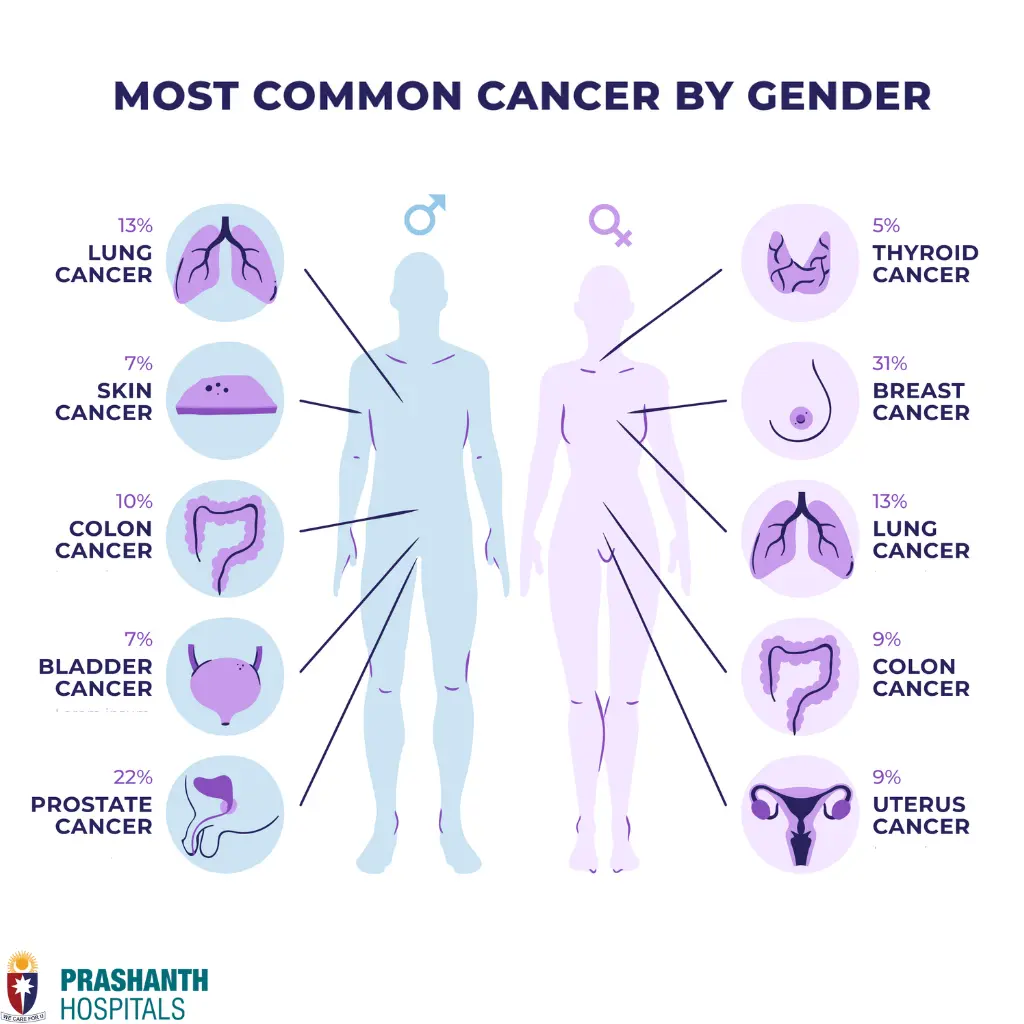
Some people inherit certain gene mutations from their parents that increase their cancer risk. These inherited mutations are not very common, but when they do occur, they can raise the likelihood of cancers like breast cancer, colon cancer, and ovarian cancer.
If several family members have had cancer—especially at a young age—your risk may be higher. Talking to your doctor about genetic testing can help you understand your personal risk and get early screenings if needed.
2. Tobacco Use
Tobacco is one of the strongest cancer-causing factors and is considered one of the main causes of cancer. Cigarettes, cigars, chewing tobacco, and secondhand smoke all contain carcinogens that damage DNA. Tobacco is a leading cause of lung cancer and also increases the risk of throat, mouth, pancreas, and bladder cancers.
Quitting tobacco at any age reduces your cancer risk. If you need support, your doctor can guide you toward safe and effective programs.
3. Unhealthy Diet
A diet high in processed meats, refined sugars, red meat, and unhealthy fats may increase the risk of colorectal cancer, stomach cancer, and pancreatic cancer.These food patterns are often linked to the top 10 causes of cancer because they can trigger long-term inflammation and weaken the body’s natural repair processes.
On the other hand, a balanced diet with fruits, vegetables, whole grains, and lean proteins can support a stronger immune system and reduce inflammation.
Healthy eating isn’t about strict rules—it’s about making steady, small changes that protect your long-term health.
4. Lack of Physical Activity
Not exercising doesn’t directly cause cancer, but it increases the chance of obesity, which is linked to breast, colon, and endometrial cancers. Lack of physical activity is among the main causes of cancer risk because regular movement improves immunity, lowers inflammation, and supports healthy hormone balance.
Even simple activities like brisk walking can make a noticeable difference.
5. Excessive Alcohol Intake
Heavy drinking increases the risk of cancers such as liver, breast, mouth, throat, and esophageal cancer. When your body breaks down alcohol, it produces a toxic chemical called acetaldehyde, which can damage DNA.
Limiting intake to no more than one drink per day—if you choose to drink at all—can lower your risk over time.
6. Radiation Exposure
Radiation, especially ultraviolet (UV) rays from the sun, can damage skin cells and lead to skin cancer. Radon gas, which can naturally enter homes from the soil, is another common source of radiation exposure and is often included in the top 10 causes of cancer.
Wearing sunscreen, avoiding tanning beds, and checking your home for radon can help reduce risk.
7. Air Pollution
Long-term exposure to polluted air has been linked to lung cancer and may also increase the risk of breast and liver cancers. Air pollution is often cited as one of the main causes of lung cancer, especially in areas with heavy traffic, industrial emissions, or wildfire smoke.
Simple steps like wearing a mask during high-pollution days or using indoor air filters can lower exposure.
8. Certain Infections
Some viruses and bacteria can increase the risk of cancer. For example, HPV can lead to cervical cancer, and hepatitis B or C can lead to liver cancer. These infections cause long-term inflammation and cell damage, which may eventually lead to cancer.
Vaccinations—such as the HPV and hepatitis B vaccines—are powerful tools for prevention.
9. Harmful Household Chemicals
Certain chemicals like benzene, asbestos, arsenic, and formaldehyde are known carcinogens. Exposure to these substances is considered one of the top 10 causes of cncer and may occur through older building materials, contaminated water, or even strong cleaning products.
Ventilating your home, following safety guidelines, and choosing safer alternatives can reduce exposure.
10. Age
Cancer risk increases as we get older because our cells have had more time to accumulate genetic changes. According to global data, the median age of diagnosis for many common cancers ranges from the early 60s to early 70s.
Common Signs and Symptoms of Cancer
Cancer symptoms can look different for every person because they depend on the part of the body that is affected.
It is also important to remember that many of these symptoms can be caused by conditions other than cancer, so finding one or two of them does not mean you have cancer.
However, if a symptom stays for a long time or keeps returning, it is safest to speak with a doctor.
Below are general symptoms that are linked with—but not specific to—cancer:
- Long-lasting tiredness or weakness
- Unexpected weight loss without trying
- Swelling or a new lump felt under the skin
- Changes in appetite, including reduced hunger or feeling full quickly
- New or changing skin marks, including moles that grow, itch, or bleed
- Bleeding that is unusual, such as bleeding between periods or blood in urine
- Long-term changes in bowel movements (ongoing constipation or diarrhea)
- Pain while swallowing or a feeling that food is stuck
- Shortness of breath that does not improve
- A persistent cough lasting more than a few weeks
- Ongoing stomach discomfort, such as bloating or burning
- Unexplained bone or back pain
- Frequent infections due to a weakened immune system
- Night sweats that soak clothing or sheets
- Changes in urination, such as difficulty starting or weak flow
Conclusion
Cancer develops from a combination of genetic factors and environmental exposures. Learning about the Top 10 causes of cancer and understanding what are the main causes of cancer can help you make healthier choices—such as avoiding tobacco, eating a balanced diet, staying physically active, and attending regular health screenings.
If you have questions or want support, Prashanth Hospitals is here to guide you with clear explanations, gentle care, and trusted expertise for you and your family.