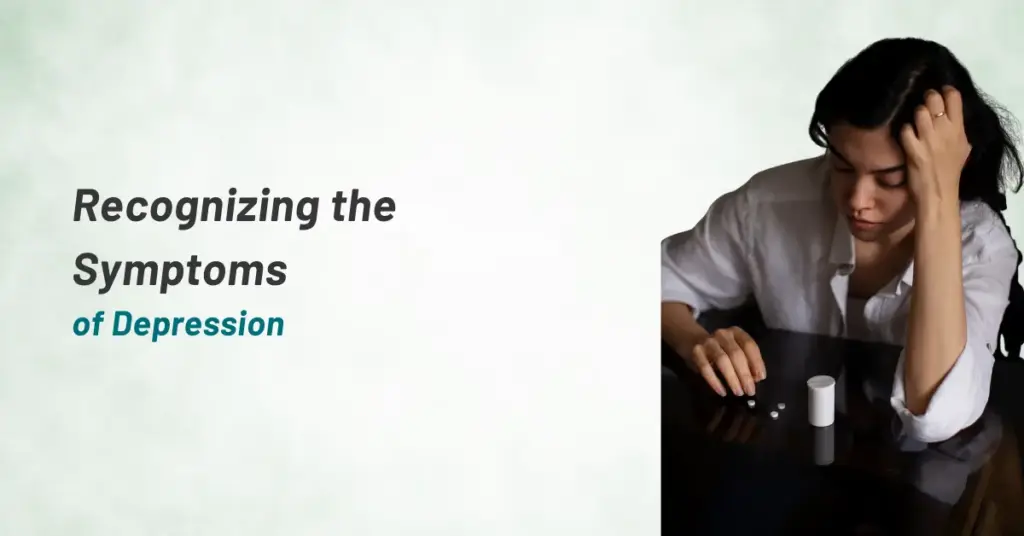
Depression is not a sign of weakness or a reason for shame, it is an illness. Even in cases of serious clinical depression, treatment is usually very successful. And the earlier treatment is started, the more successful it is. The thing to remember about recognizing depression is that it’s not a one-size-fits-all disorder. There are many symptoms, and one person’s experience may be completely different from another person. Understanding the signs and symptoms of depression can help you take the first step toward getting the right support. Don’t hesitate to reach out if you or someone you know needs help. Knowing the warning signs can help let you know if you need to speak to a doctor.
Spot the warning signs of depression
Feeling low or down once in a while is a very common thing, and most of us go through such feelings occasionally. However, if you are persistently surrounded by sadness or you feel doomed most of the time, there is a fair amount of possibility that you may be battling with depression. Not everyone with depression will display the typical symptoms of sadness and despair. Among the most common signs and symptoms of depression are discussed below.
1. Feelings of Sadness or Hopelessness
This is the most common symptom of depression. It can include feeling down or being pessimistic about the future. People can experience this even if everything in their lives seems to be going well. Clinical depression impacts every aspect of a person’s life. It generally doesn’t go away on its own, and it’s not the person’s fault. Depression feels like hopelessness with no end and pain without relief.
2. Increased Tearfulness
Did you know that crying serves a very useful purpose? Stress hormones are released through tears. However, if the person is crying much more than usual for no clear reasons it may be one of the signs and symptoms of depression that should not be ignored.
3. Sleep Changes
Sleep changes are among the first symptoms a person might notice when dealing with depression. Waking up too early, not being able to fall asleep, or sleeping too much can all be early warning signs. These patterns are also commonly seen in the symptoms of depression in teens, especially when sleep routines change suddenly.
4. Suicidal Thoughts
Having thoughts of harming oneself is a serious symptom of depression and should be taken seriously. If anyone you or you know is thinking about suicide, reach out to a doctor immediately. Early recognition of such signs and symptoms of depression can save lives.
5. No Motivation
Depression can take the pleasure out of the things a person used to love. A loss of interest or withdrawal from activities that you once looked forward to is a clear sign. In many cases, this is also one of the common symptoms of depression in teens, where interest in studies or hobbies suddenly drops.
6. Changes in Appetite and Weight
The symptoms of depression are overwhelming. A sudden change in appetite is a common sign that should not be ignored. Both eating too much and not eating enough can be linked to depression. Understanding these changes can help you identify deeper emotional concerns.
7. Uncontrollable Emotions
One minute it’s an outburst of anger. The next you’re crying uncontrollably. Nothing outside of you prompted the change, but your emotions are up and down at a moment’s notice. These emotional shifts are part of the broader signs and symptoms of depression that can affect daily life.
8. Forced Happiness
Sometimes, people may hide the symptoms and put on a happy face when in the company of others. However, it can be difficult to keep up this forced happiness, so the mask may eventually slip and the person will start to show signs of sadness, hopelessness, or loneliness.
9. Low Sex Drive
Changes in sex drive are a key indicator for diagnosing episodes of major depression. There are several reasons that a person’s libido might decrease when they have depression, like loss of interest, low self-esteem, low energy levels, etc.
10. Fatigue
Studies show that over 80 percent of people with depression suffer from fatigue. This makes it physically and mentally difficult to carry out daily tasks. In some cases, fatigue may be one of the earliest and only visible signs and symptoms of depression.
11. Guilt & Anger
People with severe depression may be overly self-critical. A lot of people think of signs of depression as sadness, crying, and melancholy, but anger can be a common sign too. It might be that anger is a more comfortable or socially acceptable channel of expression.
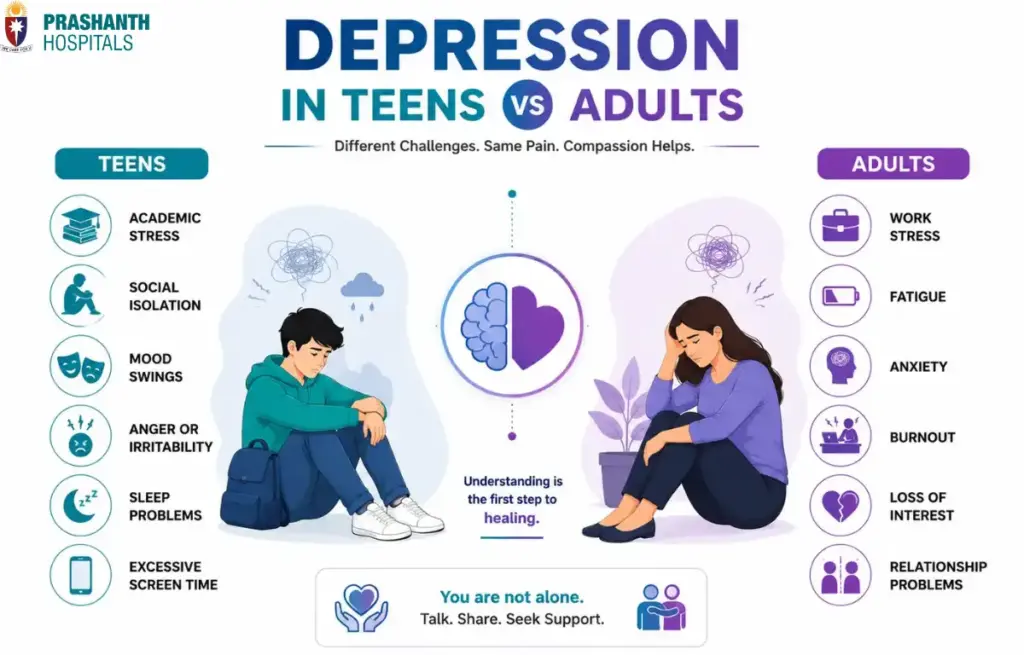
Early Signs of Depression You Should Not Ignore
Depression often begins quietly. The early signs may look like normal stress or tiredness, so they are easy to miss. But when these feelings stay for days or weeks, they need attention.
You may notice:
- Feeling low or empty most of the day
- Losing interest in activities you once enjoyed
- Changes in sleep, such as difficulty falling asleep or sleeping too much
- Low energy, even after rest
- Trouble focusing or making decisions
These early changes are often the first signs and symptoms of depression. Paying attention to them can help you seek help early and prevent symptoms from becoming more severe.
Physical Symptoms of Depression
Depression is not just about emotions. It can also affect the body in many ways. Some people first notice physical symptoms before they realize it may be depression.
Common physical signs include:
- Ongoing fatigue or low energy
- Headaches or body aches without a clear cause
- Changes in appetite or weight
- Digestive problems like stomach discomfort
- Sleep disturbances, such as insomnia or oversleeping
These physical signs and symptoms of depression can affect daily life and may not improve with usual treatment. If discomfort continues without a clear reason, it is important to consider emotional health as well.
Behavioral Changes to Watch For
Depression can change how a person behaves and interacts with others. These changes are often noticed by family members before the person recognizes them.
You may observe:
- Avoiding social activities or spending more time alone
- Loss of interest in hobbies or daily routines
- Reduced productivity at work or school
- Irritability or sudden mood changes
- Neglecting personal care or hygiene
These patterns are not a sign of laziness. They are often linked to how depression affects motivation and energy levels.
How Depression Feels in Daily Life
Depression can feel different for each person, but many describe it as a constant weight that affects every part of life. Simple tasks may feel overwhelming, and even small decisions can become difficult.
Some people feel numb, while others feel intense sadness or frustration. You may find it hard to enjoy moments that once made you happy. Relationships, work, and daily routines may begin to feel exhausting.
Recognizing these signs and symptoms of depression is important. It reminds you that what you are experiencing is real, and help is available.
Depression in Men vs Women
Depression can affect both men and women, but it may show up differently.
Women are more likely to report:
- Feelings of sadness or guilt
- Changes in sleep and appetite
- Low energy and withdrawal
Men may show:
- Irritability or anger
- Risk-taking behavior
- Increased use of alcohol or substances
- Difficulty expressing emotions
Because of these differences, depression in men is sometimes overlooked. Recognizing these patterns helps ensure timely support for everyone.
Depression vs Normal Sadness
It is normal to feel sad during difficult times. However, depression is more than temporary sadness.
Normal sadness:
- Usually linked to a specific event
- Improves with time or support
- Does not affect daily functioning for long
Depression:
- Lasts for weeks or longer
- Affects sleep, appetite, and energy
- Makes daily activities difficult
- May occur without a clear reason
If low mood continues and starts affecting your routine, it is important to seek guidance. Speaking with a doctor or mental health professional can help you understand what you are going through and find the right support.
Getting help is crucial
Never feel like you need to handle depression on your own. Choosing the right support can make a big difference. Seeking care from a qualified professional can help you understand your condition and begin the right treatment. If you notice any of these signs and symptoms of depression, it is important to talk to a doctor. Early support can improve recovery and overall well-being.