Ebola Virus Disease (EVD) is one of the most serious viral infections known to modern medicine. It has mainly affected certain regions in Africa, but healthcare professionals around the world, including in India and Tamil Nadu, stay alert to this disease because it can be fatal. At Prashanth Hospitals, we believe our patients and community deserve accurate, evidence based information about infectious diseases like this one. This guide covers what Ebola is, how it spreads, its symptoms, how to prevent it, and how it is treated. Whether you are a healthcare professional looking to refresh your knowledge or simply a concerned reader, you will find clear, reliable information here.
What is Ebola Virus Disease?
Ebola Virus Disease, once known as Ebola hemorrhagic fever, is a rare but severe illness that can be fatal. It affects both humans and other primates. The disease is caused by one of a few strains of the Ebola virus. The name may sound alarming, but it helps to know that Ebola does not spread casually. It needs very specific conditions and direct contact to pass from one person to another.
The virus was first identified in 1976, during outbreaks that happened at the same time in Nzara, South Sudan, and Yambuku, in the Democratic Republic of the Congo. It gets its name from the Ebola River in the Congo, which was near one of the villages where the outbreak began.
The Science Behind Ebola
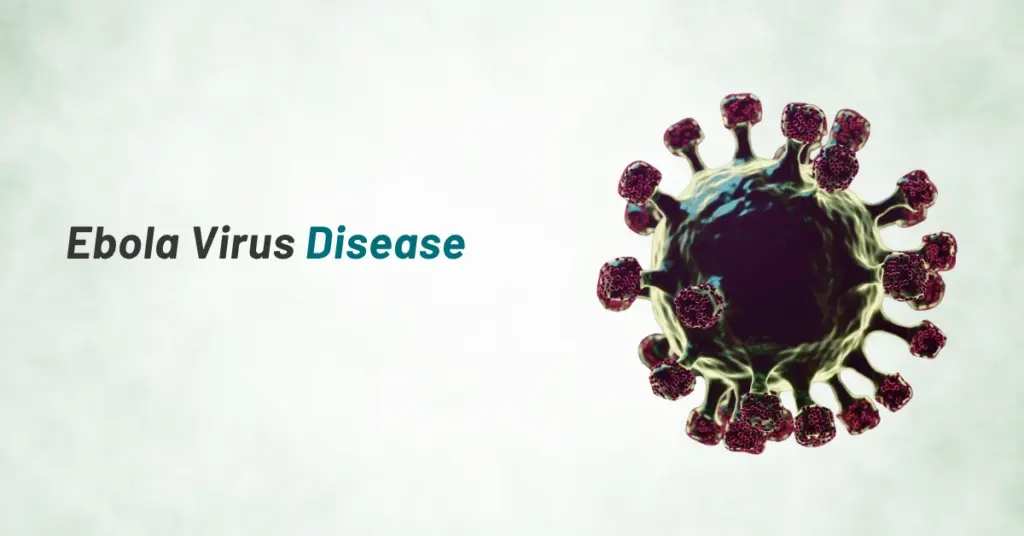
Ebola belongs to a family of viruses called filoviruses. Under a microscope, these viruses look like thin threads or filaments, which is where the name comes from.
There are four known types of Ebola virus that affect humans:
Zaire ebolavirus, which causes the most severe illness and has the highest death rate Sudan ebolavirus Bundibugyo ebolavirus Tai Forest ebolavirus
The virus damages blood vessels and interferes with the blood’s ability to clot. This is what leads to many of the disease’s most severe symptoms, and it is why recognizing Ebola early matters so much.
How is Ebola Transmitted?
Understanding how Ebola spreads is one of the most important parts of preventing it. Unlike the flu or measles, Ebola does not spread through the air. It spreads through direct contact with the blood or body fluids of an infected person or animal.
- Contact with infected animals. The virus lives naturally in fruit bats. Other animals, including monkeys, forest antelope, and porcupines, can also carry it. Hunting, butchering, or eating these animals without proper protection puts people at risk.
- Direct contact with infected people. Once someone is infected, the virus can spread through contact with their blood, vomit, diarrhea, urine, feces, semen, vaginal fluids, saliva, sweat, or other body fluids.
- Healthcare settings. Healthcare workers face a higher risk if they treat infected patients without proper personal protective equipment, often called PPE.
- Funeral practices. Direct contact with a body during burial preparation or funeral rites has caused outbreaks in affected communities in the past.
The Incubation Period
Symptoms do not appear right after infection. The incubation period, which is the time between infection and the first symptoms, ranges from 2 to 21 days, with an average of 8 to 10 days. This means an infected person may not know they are sick yet and could still pass on the virus before symptoms show up.
Recognizing Ebola: Symptoms and Progression
Early Symptoms, Sometimes Called “Dry Symptoms”
The illness usually begins suddenly with symptoms that can easily be mistaken for other common illnesses:
Fever, often between 101°F and 104°F (38.3°C to 40°C) Severe fatigue and weakness Muscle pain and body aches Headache Sore throat A general feeling of being unwell
These early symptoms typically show up 2 to 21 days after someone is exposed to the virus.
Progressive Symptoms, Sometimes Called “Wet Symptoms”
As the illness progresses, usually 5 to 7 days after the first symptoms appear, more serious symptoms can develop:
Vomiting and nausea Diarrhea, sometimes with blood Abdominal pain and cramping Unexplained bleeding or bruising Bleeding from the gums Internal bleeding A rash, which typically appears around day 5 Reduced kidney or liver function
The Severe Phase
In the final stages, patients may experience shock, which means dangerously low blood pressure, along with confusion or seizures, severe trouble breathing, heavy bleeding, and failure of multiple organs.
Survival rates vary a great deal depending on the virus strain and how quickly a patient receives care. Historically, death rates in outbreaks have ranged widely, and access to good medical care makes a real difference in outcomes.
Who is Most at Risk?
Certain groups face a higher chance of exposure to Ebola:
- Healthcare workers. Without proper protective equipment, those treating Ebola patients face significant risk.
- Laboratory staff. People handling blood or tissue samples from infected patients.
- Close contacts. Family members and caregivers looking after someone who is sick.
- Certain occupations. Hunters and people who handle wild animals in regions where Ebola occurs.
- Funeral attendees. Those involved in preparing bodies for burial in affected regions.
How is Ebola Diagnosed?
Because early symptoms look similar to many other illnesses, doctors cannot diagnose Ebola by symptoms alone. Laboratory testing is needed to confirm it. Doctors typically rely on:
- RT-PCR testing, or reverse transcription polymerase chain reaction, which is currently the most reliable way to detect the virus’s genetic material.
- Antigen detection tests, which identify Ebola proteins in a blood sample.
- Antibody testing, also called serology, which looks for the immune system’s response to the virus.
- Viral culture, which involves growing the virus in a lab, though this is only done in specialized facilities.
The first few days of illness matter most for diagnosis. Blood tests may not pick up the virus before day 3 of illness, which is why doctors combine a patient’s symptoms and travel history with lab confirmation rather than relying on one alone.
Treatment and Management
There is currently no specific cure for Ebola. Treatment instead focuses on supportive care, which helps a patient’s body fight the infection while giving it the best possible chance to recover. This includes:
Replacing fluids and electrolytes to maintain proper hydration Supporting blood pressure and oxygen levels Blood transfusions if severe bleeding occurs Treating any secondary infections that develop Dialysis if the kidneys begin to fail
Hospital Isolation
Patients with Ebola need to be hospitalized in specially equipped isolation units. These units typically include negative pressure rooms, full protective equipment for every healthcare worker involved, strict infection control steps, and a dedicated care team.
Newer Treatment Options
Recent years have brought real progress. Monoclonal antibody treatments, which are antibodies created in a lab, can help a patient’s immune system recognize and fight the virus more effectively. Researchers are also studying antiviral medications that may be able to slow down how the virus replicates in the body.
Vaccination
Two vaccines are currently approved for Ebola. Ervebo, made by Merck, protects against Zaire ebolavirus and is often used as part of an outbreak response. Zabdeno and Mvabea, made by Janssen Pharmaceutica, form a two dose vaccine regimen that offers additional protection. Both vaccines are used to protect healthcare workers and frontline staff in high risk regions.
Prevention: Protecting Yourself and Others
Personal Prevention Measures
Avoid touching or hunting fruit bats, monkeys, forest antelope, or porcupines in regions where Ebola occurs. Cook meat thoroughly and handle it hygienically. Wash your hands often with soap and clean water, practice good respiratory hygiene, and clean surfaces regularly.
Healthcare workers should always use proper protective equipment, including gloves, face masks or respirators, eye protection, gowns or aprons, and proper containers for disposing of contaminated materials.
Families and community members should also follow infection control guidance when handling a body after death, since the virus remains infectious even after a person has died.
Community Level Prevention
Communities play a role too. This includes watching for symptoms so cases can be caught early, tracing and monitoring anyone who had contact with an infected person, educating the public about how the disease spreads, keeping healthcare facilities equipped with proper infection prevention measures, and vaccinating high risk groups where vaccines are available.
Ebola in India and Tamil Nadu: Current Context
India has not experienced ongoing Ebola transmission, but Indian healthcare systems, including hospitals in Chennai and across Tamil Nadu, maintain a high level of preparedness. Prashanth Hospitals and similar facilities are equipped with trained infectious disease specialists, isolation facilities, reliable diagnostic capabilities, infection control expertise, and regular preparedness drills.
Indian healthcare providers also stay alert to travel related risks. Anyone who has traveled to an affected region in Africa and develops symptoms within 21 days should seek medical attention right away, tell their healthcare provider about their travel history, and get tested.
Indian medical professionals also work closely with global health organizations like the WHO and CDC to stay current on outbreak developments and treatment guidance.
When to Seek Medical Attention
If you or someone you know experiences any of the following, especially with a recent history of travel to an affected region, seek emergency medical care right away:
Fever with severe headache and muscle pain Weakness and fatigue that gets in the way of normal activities Vomiting or diarrhea A rash on the body Reduced kidney or liver function Internal or external bleeding, or any sign of hemorrhage
When you see a doctor, it helps to share your recent travel history, especially to Africa, any contact with someone who may have been infected, any exposure to animals or hunting activity, when your symptoms started, and any other symptoms you have noticed.
Common Myths and Facts About Ebola
Myth: Ebola spreads through the air. Fact: Ebola does not spread through the air, water, or food. It spreads through contact with infected blood or body fluids.
Myth: There is no treatment for Ebola. Fact: While there is no specific cure, supportive care and newer treatments have meaningfully improved survival rates in recent years.
Myth: Ebola is as contagious as measles. Fact: Ebola requires direct contact with blood or body fluids. It is not airborne the way measles is.
Myth: Vaccines do not work for Ebola. Fact: Approved vaccines like Ervebo offer effective protection against Zaire ebolavirus.
Myth: A diagnosis of Ebola means certain death. Fact: With modern medical care, survival rates have improved a great deal, especially when treatment starts early.
Why Early Detection Matters
Catching Ebola early and starting supportive care right away has a real impact on outcomes. Patients who receive care early in the course of the disease tend to have better survival rates than those treated later.
Access to fast diagnostic testing plays a big role here too. Facilities that can run RT-PCR tests within hours make it possible to confirm suspected cases quickly, isolate patients right away, trace contacts rapidly, and prevent further spread.
Mental Health and Emotional Support
Ebola does not only affect the body. Both patients and their families often go through real emotional stress during and after the illness. Support can include counseling services, psychological first aid, support groups for survivors and families, and mental health screening.
Some survivors go on to experience post traumatic stress disorder, or PTSD, along with other emotional effects that call for ongoing support well after recovery.
Looking Ahead
Researchers around the world continue working on more effective vaccines, better antiviral treatments, improved diagnostic tools, and a deeper understanding of the long term effects on survivors.
Survival rates have been improving in recent outbreaks, thanks to better diagnostics, earlier detection, more effective supportive care, promising new treatments, and well trained medical teams.
Conclusion
Ebola Virus Disease is a serious illness that deserves to be taken seriously. It has caused real harm in affected regions over the years, but modern medicine, better preparedness, and progress in treatment and vaccination give real reason for hope.
For readers in Chennai, Tamil Nadu, and across India, a few simple habits go a long way: stay informed through reliable medical sources, practice good hygiene, use caution if traveling to affected regions, and seek medical attention right away if symptoms appear after travel. Trusting qualified healthcare professionals, like the team at Prashanth Hospitals, for diagnosis and treatment matters too.
At Prashanth Hospitals, we remain committed to protecting our community’s health through awareness, education, and access to quality medical care. If you have any concerns about Ebola or another infectious disease, our infectious disease specialists are here to help.
Knowledge and preparedness remain our best defense against infectious diseases. Stay informed, stay healthy, and reach out to a qualified healthcare provider whenever you have concerns.