
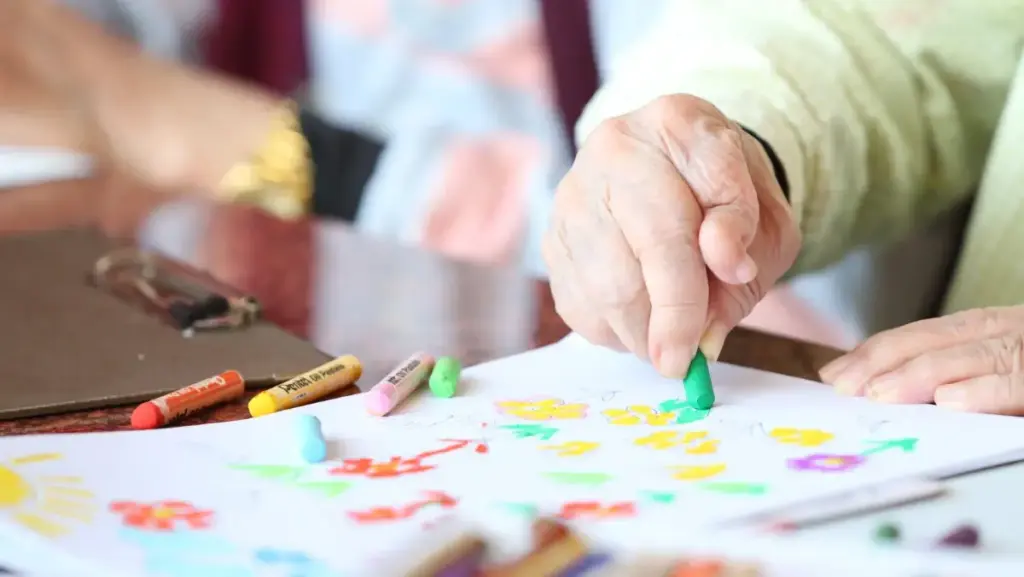
The Occupational Therapy Department at Prashanth Hospitals helps people regain independence and improve their quality of life. We work on physical, cognitive, sensory and emotional challenges that make everyday activities difficult. Our skilled occupational therapists create personalised treatment plans for children, adults and elderly patients, so each person can manage daily tasks with more ease and confidence.
What Occupational Therapy Focuses On
Occupational therapy is about the activities that fill a person’s day. For a child, this may be playing, eating, writing or making friends. For an adult, it may be dressing, cooking, working or managing the home. For an elderly person, it may be moving safely around the house and taking care of themselves. Our therapists look at what a person finds hard to do and help them build the skills to do it.
Who Can Benefit from Occupational Therapy?
- Children with developmental delays, autism, ADHD, cerebral palsy or learning difficulties
- Adults recovering from injuries, stroke or neurological conditions
- Elderly people who need support with daily activities and mobility
- Patients with mental health challenges or behavioural disorders
Occupational Therapy and Physiotherapy: The Difference
Both therapies support recovery, but they focus on different goals. Physiotherapy mainly works on pain, strength and body movement. Occupational therapy focuses on using those abilities in real daily tasks, such as eating, dressing, writing, bathing and managing the home. Many patients, especially after a stroke or injury, benefit from both.
Our Occupational Therapy Services
Early Intervention for Children
- Helps infants and toddlers develop essential skills for daily life
- Improves motor skills, sensory processing and communication abilities
Play Therapy
- Encourages self expression through play for children with emotional or social difficulties
- Helps children build confidence and social skills
Activities of Daily Living (ADL) Training
- Teaches essential self care tasks like dressing, grooming, toileting and eating
- Helps patients regain independence after an injury or surgery
Instrumental Activities of Daily Living (IADL) Training
- Focuses on more complex daily tasks such as cooking, home management and financial planning
- Supports individuals in leading an independent life
Sensory Integration Therapy
- Helps individuals with sensory processing disorder (SPD) respond better to sounds, touch, movement and other stimuli
- Commonly used for children with autism, ADHD and other sensory difficulties
Motor Skill Training
- Improves fine motor skills (hand coordination) and gross motor skills (body movement)
- Essential for children with developmental delays and adults recovering from strokes or injuries
Cognitive Therapy
- Improves problem solving, memory, attention and decision making
- Helps individuals with brain injuries, dementia and other cognitive difficulties
Neurodevelopmental Treatment (NDT)
- Specialised therapy for children with cerebral palsy and neurological conditions
- Focuses on improving movement, coordination and muscle strength
Social and Communication Skills Training
- Teaches effective communication and interpersonal skills
- Helps children and adults develop social confidence
Feeding Intervention
- Supports children who have difficulty swallowing, chewing or managing different food textures
- Focuses on safe eating habits and healthy food intake
Signs Your Child May Need Occupational Therapy
Parents may consider an assessment if a child:
- Is slow to sit, crawl, walk or use their hands compared to children of the same age
- Finds it hard to hold a pencil, use scissors or button clothes
- Is very sensitive to sounds, touch, clothing or certain food textures
- Has trouble chewing, swallowing or accepting new foods
- Struggles to play with other children or follow simple routines
- Has difficulty paying attention or staying calm
How Our Therapy Sessions Work
- Assessment: The therapist meets the patient and family to understand their challenges, daily routine and medical history.
- Goal Setting: Together, we set clear and practical goals, such as eating without help or writing neatly.
- Therapy Sessions: Treatment is planned around the patient’s needs, using activities, exercises and play.
- Home Guidance: Families are shown simple activities to continue at home.
- Progress Review: Goals are reviewed regularly and the plan is updated as the patient improves.
The Role of the Family
Family support plays a big part in occupational therapy. Many skills learnt in the therapy room need to be practised at home. Our therapists guide parents and caregivers on how to help with daily routines, so progress continues outside the hospital too.
Why Choose Prashanth Hospitals for Occupational Therapy?
- Skilled therapists with experience in paediatric, adult and geriatric rehabilitation
- Therapy programmes planned around each patient’s needs
- A holistic approach that covers physical, emotional and cognitive rehabilitation
- Family centred care that supports patients at home and in daily life
Book an Occupational Therapy Assessment
Prashanth Hospitals provides occupational therapy in Chennai for children, adults and elderly patients from Kolathur, Velachery and nearby areas. If you or someone in your family finds everyday tasks difficult, contact our team to book an assessment. Our goal is to help every patient lead a more independent and fulfilling life.