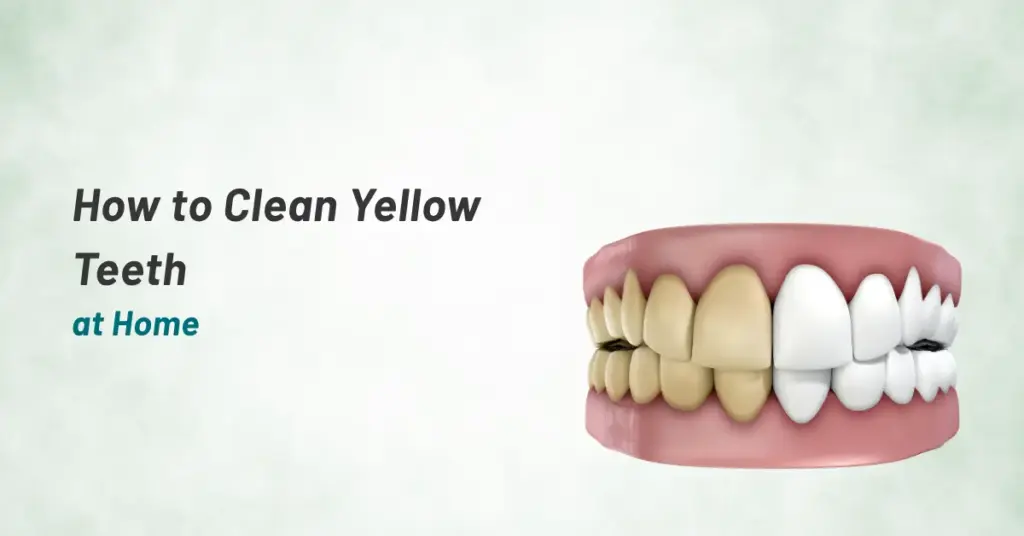


A bright, healthy smile is often seen as a sign of vitality, but it is incredibly common for teeth to lose their luster over time. If you find yourself smiling less in photos because of a yellowish tint, you are certainly not alone. Teeth can change color for dozens of reasons, ranging from the morning coffee you love to the natural passage of time. While the market is flooded with “miracle” cures, it is important to approach oral care with a balance of curiosity and caution.
Understanding how to clean yellow teeth at home starts with recognizing that your enamel is a precious, non-renewable resource. In this guide, we will explore evidence-based methods to brighten your smile safely, distinguish helpful habits from harmful myths, and help you decide when a trip to the dentist is your best path forward.
What Causes Tooth Discoloration?
Before learning how to clean yellow teeth at home, it is vital to understand why they changed color in the first place. Stains generally fall into two categories: extrinsic (surface) and intrinsic (internal).
- Pigmented Foods and Drinks: Deeply colored substances like black coffee, red wine, balsamic vinegar, and dark berries contain chromogens that stick to tooth enamel.
- Tobacco Use: Whether smoking or chewing, nicotine and tar create stubborn, dark yellow or brown stains that penetrate the surface.
- Enamel Erosion: As the hard white outer layer (enamel) wears down due to acidic foods or aging, the underlying yellow tissue called dentin becomes more visible.
- Poor Oral Hygiene: Inadequate brushing allows plaque and tartar to build up. Tartar has a naturally yellowish or brownish hue and cannot be removed with a toothbrush.
- Medications: Certain antibiotics (like tetracycline) given during childhood, or high-blood pressure medications in adults, can cause internal discoloration.
- Genetics: Some individuals are simply born with naturally thicker or whiter enamel, while others have a more translucent or yellow-toned base.
How to Clean Yellow Teeth at Home
Maintaining a bright smile begins with a solid foundation of daily habits. If you are looking for how to clean yellow teeth at home, focusing on mechanical removal of daily stains is the most effective starting point.
- Power Brushing: Switch to an electric toothbrush with a pressure sensor. These devices provide more strokes per minute than manual brushing, effectively vibrating away surface stains.
- Whitening Toothpaste: Look for products with the ADA Seal of Acceptance. These contain mild abrasives or chemical polishing agents that “scrub” the surface without damaging the tooth.
- Interdental Cleaning: Stains often look darkest between teeth. Using floss or water flossers removes the yellow plaque buildup that a toothbrush cannot reach.
- Tongue Scraping: Bacteria on the tongue can transfer to teeth. Cleaning your tongue daily reduces the overall bacterial load in your mouth.
- Rinsing After Meals: If you cannot brush after drinking coffee or soda, swishing with plain water helps neutralize acids and wash away pigments before they set.
Best Home Remedies for Yellow Teeth
When considering how to clean yellow teeth at home, several household staples have stood the test of time due to their unique chemical properties. Rather than aggressive scrubbing, these methods focus on gentle, consistent care:
- Baking Soda (Sodium Bicarbonate): This is perhaps the most well-known remedy. Because it is mildly abrasive, it can gently scrub away surface stains without the harshness found in some industrial whitening products. It also creates an alkaline environment in the mouth, which helps prevent stain-causing bacteria from thriving.
- Oil Pulling with Coconut Oil: This popular method involves swishing oil in the mouth to improve hygiene. While it doesn’t technically bleach the teeth, the lauric acid in coconut oil helps reduce inflammation and “pulls” away lipid-soluble bacteria that contribute to the buildup of yellow plaque.
- Diluted Hydrogen Peroxide: A rinse containing a low concentration (typically 1.5% to 3%) can act as a very mild bleaching agent to brighten enamel over time.
- Crunchy Fruits and Vegetables: Eating fibrous foods like apples, carrots, and celery can help clean teeth naturally. These “detergent foods” stimulate saliva production—the mouth’s natural cleanser—and provide a very gentle scrubbing action on the tooth surface during chewing.
If you are trying how to clean stained teeth at home, remember that these remedies mainly work on mild stains. They are not a replacement for professional treatment but can support daily care.
Are Natural Whitening Methods Effective?
Many patients wonder if learning how to clean teeth at home naturally can yield the same “Hollywood white” results as professional treatments. The short answer is that natural methods are effective for surface-level brightening but have limitations. Most natural remedies work by removing extrinsic stains, those caused by food and drink, rather than changing the actual “base” color of your teeth.
For example, baking soda can make your teeth look brighter by revealing the clean enamel underneath a layer of coffee film. However, if your teeth appear yellow because your enamel is thin and the dentin is showing through, natural remedies will not help and may even make the problem worse by further thinning the enamel. You should expect subtle, gradual improvements rather than a dramatic transformation.
What Doesn’t Work (and Might Be Harmful)?
In the quest to find how to clean yellow teeth at home, many people turn to “hacks” that can permanently damage their oral health.
- Direct Acid Application: Rubbing lemons, oranges, or apple cider vinegar directly on teeth is dangerous. The acid dissolves enamel, making teeth temporarily whiter but permanently weaker and more prone to decay.
- Activated Charcoal: While trendy, charcoal is often too abrasive. It can wear down enamel over time, eventually making teeth look more yellow as the dentin underneath is exposed.
- Fruit Enzyme Pastes: Using crushed strawberries or pineapples contains citric and malic acids. While they may remove stains, the sugar and acid content can lead to cavities.
- High-Concentration Peroxide: Using undiluted drugstore peroxide can cause “chemical burns” on the gums and extreme tooth nerve pain.
How to Prevent Yellow Teeth
Prevention is the most effective way to manage how to clean stained teeth at home over the long term. By making small lifestyle adjustments, you can keep your enamel bright and healthy.
- The Straw Technique: Drink iced coffee, tea, and dark juices through a straw to minimize contact with your front teeth.
- Crunchy Fruits and Veggies: Eating raw carrots, celery, and apples at the end of a meal helps “scrub” teeth naturally and increases saliva flow to wash away sugar.
- Calcium-Rich Diet: Cheese and yogurt help strengthen enamel, making it more opaque and white.
- Hydration: Water is your best friend. It washes away staining agents and keeps your mouth from becoming dry, which leads to plaque buildup.
- Quit Tobacco: This is the single most significant change you can make to prevent deep, dark stains and protect your gum health.
- Routine Cleanings: Professional cleanings every six months remove hardened tartar that no home remedy can touch.
When Should You Consider Professional Help?
Home care works well for mild stains, but not all discoloration can be managed this way. If your teeth remain yellow despite consistent care, it may be time to seek professional advice. Deep stains, uneven color, or sensitivity may need expert evaluation. A dentist can identify the cause and suggest safe treatment options.
If you feel unsure about how to clean your teeth at home, or if home remedies are not giving results, do not delay seeking help. Early guidance can prevent further issues and protect your enamel. A simple dental visit can provide clarity and reassurance.
Natural Methods vs. Professional Whitening
Choosing between home care and the dentist depends on your goals, budget, and dental health. Here is a quick comparison to help you decide.
| Feature | Natural / Home Methods | Professional Whitening |
| Active Agents | Baking soda, mild abrasives, low-dose peroxide. | High-concentration carbamide or hydrogen peroxide. |
| Timeline | 2–4 weeks for visible surface changes. | 45–90 minutes for dramatic results. |
| Cost | Very low (household items). | Moderate to high. |
| Stain Target | Surface (extrinsic) stains only. | Deep (intrinsic) and surface stains. |
| Safety | Low risk if not acidic; risk of abrasion. | High safety; monitored by a medical professional. |
| Longevity | Requires constant daily maintenance. | Can last 6–12 months with proper care. |
How Does Professional Whitening Work?
When home methods are not enough, professional treatments can help improve tooth color more effectively. Dentists offer different options based on your needs and comfort.
In-office Whitening: This treatment is done at the dental clinic. The dentist applies a safe whitening gel to your teeth and may use a special light to enhance the effect. The process is carefully monitored to protect your gums and teeth. Results are usually visible in one visit, making it one of the most effective options for deeper stains.
Take-home Whitening: This option allows you to whiten your teeth at home under a dentist’s guidance. You will receive custom-made trays and a whitening gel. The trays are worn for a specific time each day. This method works more gradually but offers flexibility and comfort.
Whitening Toothpaste and Mouthwash: These products are easily available and help remove mild surface stains. They support daily care but are not as strong as professional treatments.
Is Whitening Right for Everyone?
Before you start a journey on how to clean yellow teeth at home, it is important to know that whitening isn’t a “one-size-fits-all” solution. It is generally not recommended for children whose tooth pulp is still developing or for pregnant and lactating women due to a lack of long-term safety data.
Furthermore, whitening agents only work on natural tooth structure. If you have porcelain crowns, composite fillings, or bonding, those materials will stay the same color while your natural teeth whiten, creating a patchy appearance.
People with gum recession or untreated cavities may also find whitening extremely painful. If you have any underlying dental issues, speak with a dental professional to ensure a whitening plan is safe for your specific needs.
Conclusion
Learning how to clean yellow teeth at home begins with simple, consistent care. Good brushing, smart food choices, and safe home remedies can help improve mild stains. However, not all discoloration can be treated at home. If your teeth do not improve or if you notice sensitivity, consider speaking with a dentist.
A balanced approach works best. Start with safe home care, and seek professional advice when needed. Your oral health matters, and small steps today can lead to a healthier, brighter smile.