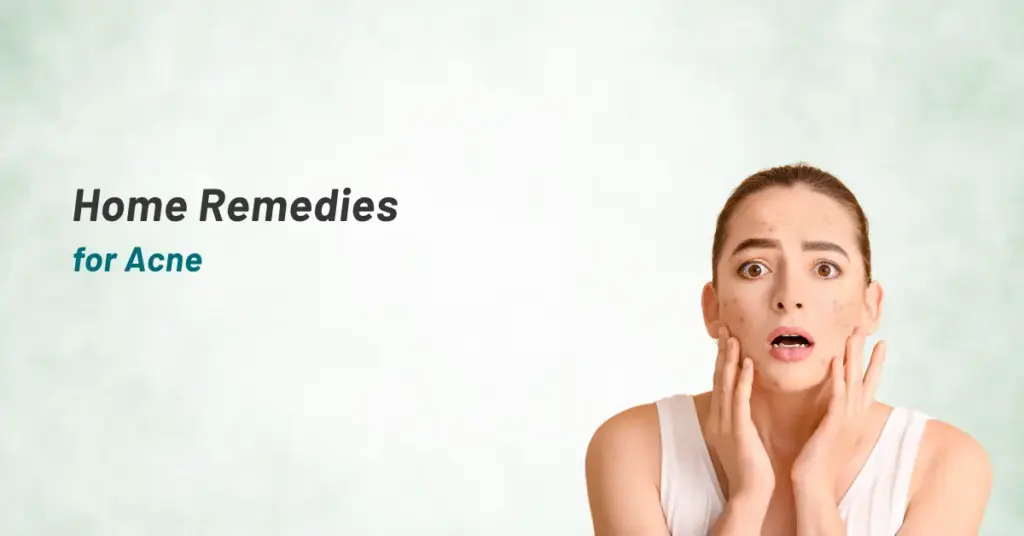
That pimple always shows up at the worst time. Before a big presentation. Before a wedding. Right after you thought your skin was finally clearing up. If that sounds familiar, you are not alone.
Acne affects up to 85% of people at some point in their lives, according to the American Academy of Dermatology. The good news? Mild breakouts often respond well to simple, consistent care at home. This guide walks you through home remedies for acne that actually have evidence behind them, what to avoid, and when it is time to see a skin doctor.
What is Acne and Why Does it Happen?
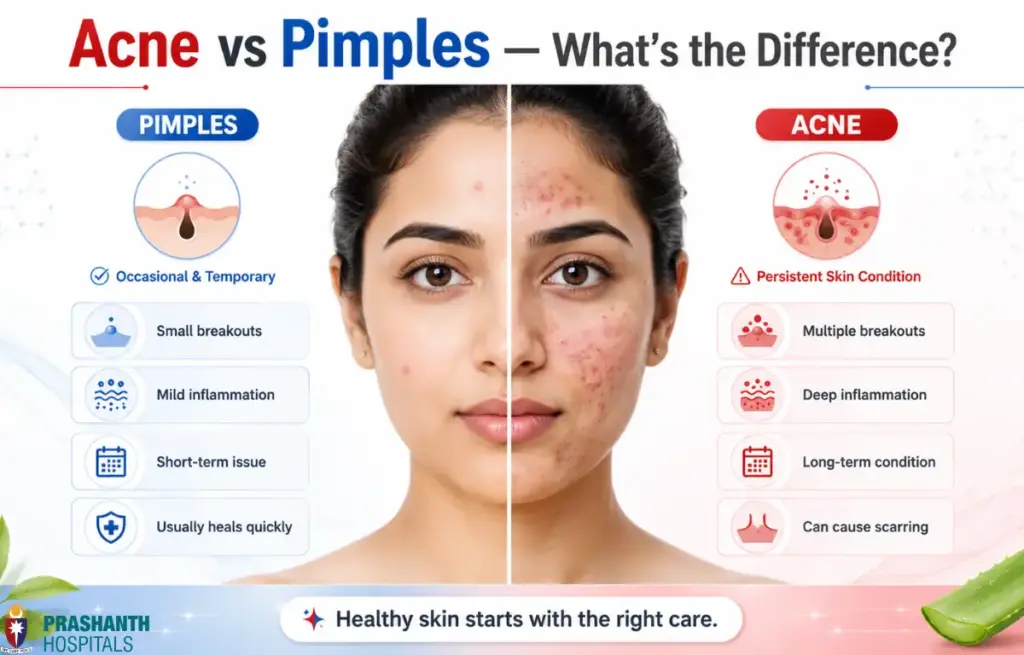
Acne forms when hair follicles get clogged with excess oil (sebum) and dead skin cells. Bacteria that naturally live on skin, mainly Cutibacterium acnes, can then grow inside those blocked pores and trigger inflammation. The result is everything from small whiteheads to painful, deep cysts.
Here is a quick look at the most common types:
- Whiteheads: Closed, clogged pores with a white tip
- Blackheads: Open pores where the clog darkens on contact with air
- Papules: Small, raised red bumps caused by inflamed pores
- Pustules: Papules with visible pus at the tip
- Nodules: Large, hard lumps deep under the skin, often painful
- Cysts: The most severe form, deep and filled with pus, and most likely to scar
Common triggers include hormonal shifts, high-glycaemic foods, chronic stress, pore-clogging skincare products, and environmental pollution. One important thing to know: acne is a skin condition, not a sign of poor hygiene. Scrubbing harder will not clear it faster. In fact, it usually makes things worse.
Home Remedies for Acne that have Evidence Behind them
Many people reach for popular kitchen or natural ingredients when a breakout starts. Some of them genuinely help. Here are the ones backed by science, along with simple instructions on how to use each safely.
Quick answer: The most effective home remedies for acne include tea tree oil, aloe vera gel, raw honey, cold compresses, green tea rinse, witch hazel, and turmeric paste.
Tea Tree Oil
Tea tree oil has natural antimicrobial properties that can reduce pimple-causing bacteria on the skin. Dilute it with a carrier oil like coconut or jojoba oil (1 part tea tree to 9 parts carrier oil) before applying. Do not apply undiluted oil directly to skin. Patch test first, especially if you have sensitive skin. Good for oily and acne-prone skin types.
Aloe Vera Gel
Fresh aloe vera gel soothes redness, calms inflamed skin, and supports healing without clogging pores. Apply a thin layer to clean skin and leave it on. It works well for sensitive and combination skin and is gentle enough for daily use.
Raw Honey
Raw honey carries natural antibacterial compounds. Use it as a targeted spot treatment by applying a small amount on a pimple, leaving it for 10 to 15 minutes, and rinsing with warm water. Avoid flavoured or processed honey as they lack the same properties.
Ice or Cold Compress
Wrapping an ice cube in a clean cloth and pressing it gently on a swollen pimple reduces inflammation fast. Limit each session to 1 to 2 minutes. This is safe for all skin types and works especially well on inflamed papules and pustules.
Green Tea
Green tea is rich in antioxidants that help manage excess sebum and reduce skin inflammation. Brew a cup, let it cool completely, and use it as a face rinse or dab it on affected areas with a cotton pad. You can also look for skincare products that contain green tea extract.
Witch Hazel
Witch hazel is a natural astringent that tightens pores and removes excess surface oil. Choose an alcohol-free formula to avoid drying out your skin. Apply with a cotton pad after cleansing. Works best for oily and combination skin.
Turmeric Paste
Turmeric has well-studied anti-inflammatory compounds. Mix a small pinch of turmeric with honey or aloe gel to make a paste and apply it as a spot treatment. Leave on for 10 minutes only. Note that turmeric can stain skin temporarily, so use sparingly and not every day.
Home Remedies for Acne You Should Skip
These are popular, but they cause more harm than good. We know they are widely shared online. Here is why they are worth avoiding.
Toothpaste on Pimples
Toothpaste was never made for skin. It contains ingredients like fluoride and baking soda that irritate and can even burn the skin surface. It may dry out a pimple temporarily but often leaves behind a red, flaky patch.
Lemon Juice
Lemon juice is highly acidic. Applying it directly to skin disrupts the protective skin barrier and increases the risk of pigmentation, especially on Indian and darker skin tones. Sun exposure right after can make dark spots significantly worse.
Popping or Squeezing Pimples
This is one of the most common habits and one of the most damaging ones. Squeezing a pimple pushes bacteria and inflammation deeper into the skin, which increases the risk of scarring and new breakouts.
Garlic Applied Directly
Raw garlic contains compounds that are far too harsh for direct skin contact. It can cause chemical burns and severe irritation, even after just a few minutes.
Baking Soda
Baking soda has a high pH that is completely wrong for skin. The skin’s natural pH is slightly acidic for a reason. Applying baking soda strips this protective layer, weakens the skin barrier, and often triggers dryness and more breakouts.
Which Remedy Suits Your Skin Type?
Not every remedy works for every skin type. Here is a quick guide.
| Skin Type | Best Options |
| Oily skin | Tea tree oil, witch hazel, green tea rinse |
| Dry or sensitive skin | Aloe vera, raw honey, cold compress |
| Combination skin | Rotate based on the zone (oily T-zone vs dry cheeks) |
| Dark or Indian skin tones | Avoid lemon juice entirely; limit turmeric to 2 to 3 times a week |
Daily Habits that Prevent Acne from Coming Back
The right remedy matters, but your daily routine matters more. These habits stop new breakouts before they start.
Cleanse gently. Wash your face twice a day with a mild, pH-balanced face wash. Avoid harsh scrubbing, which irritates the skin surface and spreads bacteria.
Moisturise even if your skin is oily. Skipping moisturiser signals your skin to produce more oil. Choose a lightweight, non-comedogenic option.
Wear sunscreen every day. SPF protects your skin from UV damage and is especially important if you are using any topical treatment. Sun exposure darkens post-acne marks and makes them harder to fade.
Watch your diet. Emerging evidence links high-glycaemic foods, like white rice and sugary drinks, with more frequent breakouts. Drinking more water also supports skin health.
Manage stress. Cortisol, the stress hormone, triggers excess sebum production. Even 10 minutes of deep breathing or a short walk each day makes a real difference.
Change pillowcases often. Pillowcases collect oil and bacteria. Changing them every 2 to 3 days reduces transfer to your face at night.
Keep your hands away from your face. Touching your face throughout the day spreads bacteria into your pores and worsens breakouts.
When Home Remedies for Acne Are Not Enough
Consistent home care works well for mild breakouts. But there are clear signs that your skin needs professional support.
See a dermatologist if you notice:
- Cystic or nodular acne that is painful and deep under the skin
- Dark spots, uneven skin tone, or early scarring
- No visible improvement after 6 to 8 weeks of home care
- Adult acne over age 30, especially around the jawline or chin
- Acne that flares with your menstrual cycle or hormonal changes
A skin doctor can offer treatments that go beyond what home care can provide. Prescription retinoids speed up cell turnover. Antibiotics target stubborn bacteria. Hormonal therapy addresses the root cause in women. Chemical peels and laser therapy can tackle both active acne and post-acne marks.
This matters because acne scars are much harder to treat than acne itself. Getting the right help early prevents permanent damage to the skin.
Clear Skin Starts With the Right Advice
Home remedies for acne are a great starting point for mild breakouts. The key is consistency. You do not need ten different products. You need the right two or three, used regularly, alongside good daily habits.
But if your acne is stubborn, painful, or leaving marks on your skin, that is a sign to act sooner rather than later. Home care has its limits, and a dermatologist can get you to clear skin faster and with less risk of permanent scarring.
Book a dermatology consultation at Prashanth Hospitals. Our skin specialists offer personalised treatment plans for all types of acne, including acne scar treatment, hormonal acne therapy, and preventive skincare guidance. Clear skin starts with the right advice, and we are here to help you get there.
Explore our Dermatology Department, Skin Care Health Check packages, and Acne Scar Treatment options at Prashanth Hospitals.