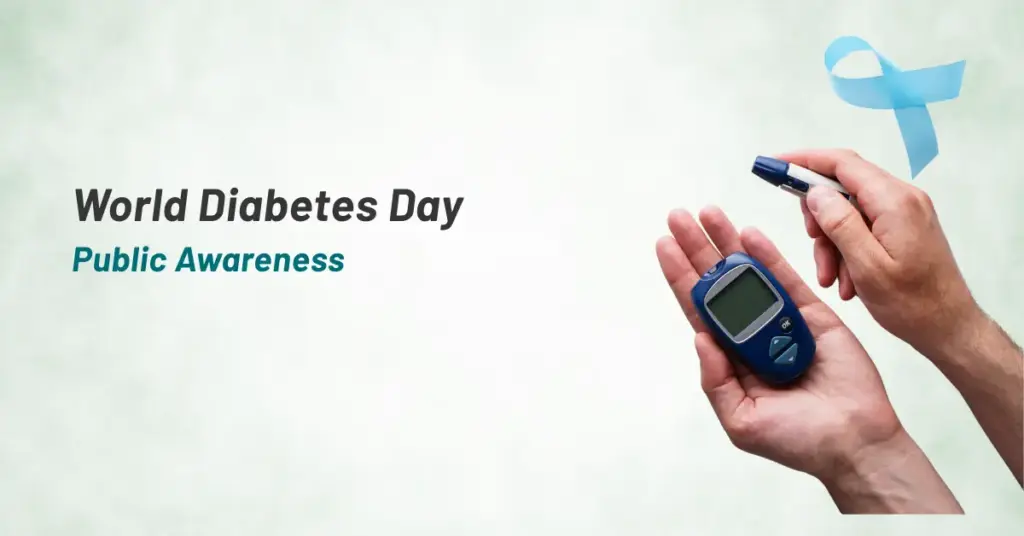
Diabetes does not always begin with a warning.
For some people, it is discovered during a routine health check. For others, symptoms such as unusual tiredness, increased thirst or frequent urination may have been present for some time before they realise something is wrong. And sometimes, there may be no noticeable symptoms at all.
That is why World Diabetes Day public awareness is about more than simply knowing what diabetes is. It is about helping people recognise their risk, understand the importance of early detection and make healthier choices before complications have a chance to develop.
Observed every year on November 14, World Diabetes Day provides an opportunity for individuals and families to stop, think about their health and ask an important question:
Do I know where I stand when it comes to diabetes?
Why Does World Diabetes Day Matter?
World Diabetes Day is led by the International Diabetes Federation, in partnership with the World Health Organization, and is marked in more than 160 countries. November 14 was chosen because it is the birthday of Frederick Banting, who co-discovered insulin in 1921, a discovery that changed diabetes from a fatal diagnosis into a manageable condition. The day exists to make sure that progress reaches everyone, not just those who already know their risk.
Diabetes affects how the body handles blood sugar. When blood sugar stays high for a long time, it can slowly affect different organs and systems in the body.
The challenge is that diabetes can develop quietly. A person may feel perfectly well while blood glucose is already outside the healthy range.
World Diabetes Day therefore helps bring attention to three important areas:
- Awareness: Understanding diabetes, its risk factors and possible warning signs.
- Early detection: Recognising why appropriate blood sugar screening matters, particularly for people at higher risk.
- Prevention and management: Encouraging sustainable lifestyle habits and appropriate medical care to reduce the risk of complications.
Public awareness becomes truly valuable when information leads to action.
You Could Be at Risk of Diabetes Without Realising It
Diabetes risk is not always obvious.
Having a close family history of diabetes, being overweight, being physically inactive or having high blood pressure can increase the risk of developing type 2 diabetes. Previous abnormal blood sugar levels and certain pregnancy-related conditions, such as gestational diabetes, can also be important risk factors.
Having one or more risk factors does not mean that diabetes is inevitable. It means there is an opportunity to pay closer attention to your health. Doctors often emphasise that understanding personal risk is one of the simplest ways to move from diabetes awareness to diabetes prevention.
Doctor’s Insight
Dr. H. Rajesh Krishnan, Chief Consultant Diabetologist at Prashanth Hospitals, notes that diabetes does not always produce noticeable symptoms in its early stages. For people with relevant risk factors, he advises that appropriate screening can help identify abnormal blood sugar earlier and provide an opportunity for timely lifestyle changes or medical care.
Common Warning Signs of Diabetes
Some symptoms are easy to miss because they may initially seem unrelated to blood sugar.
Common warning signs can include:
- Increased thirst and frequent urination: Persistently high blood glucose can cause the body to lose more water, leading to increased thirst and urination.
- Unusual or persistent tiredness: Changes in glucose utilisation can contribute to feelings of fatigue.
- Increased hunger: Some people may experience unusual hunger even after eating.
- Unexplained weight loss: Losing weight without deliberately changing eating or exercise habits should be evaluated.
- Blurred vision: Changes in blood glucose can temporarily affect vision and persistent visual changes should not be ignored.
- Slow-healing wounds or recurrent infections: Persistently elevated blood sugar can affect healing and the body’s ability to respond to infections.
- Tingling or numbness: Nerve-related symptoms can occur, particularly when diabetes has been present for a longer period.
One message deserves particular attention: No symptoms does not necessarily mean no diabetes. Some people may have diabetes or prediabetes without obvious warning signs.
Why Diabetes Screening Matters
Waiting for symptoms is not always the best way to identify diabetes.
A blood sugar test can provide information that symptoms alone cannot. Depending on an individual’s health profile, doctors may recommend tests such as fasting blood glucose, HbA1c or an oral glucose tolerance test.
| Test | What it helps assess |
| Fasting blood glucose | Blood glucose after fasting |
| HbA1c | Average blood glucose over the preceding few months |
| Oral glucose tolerance test | How the body responds to a measured amount of glucose |
The right test and recommended screening frequency can vary from person to person.
Age, family history, weight, previous blood sugar results, pregnancy history and other health conditions may all influence the decision.
The important point is simple:
You do not need to wait until diabetes symptoms become obvious to discuss screening with a healthcare professional.
How to Reduce Your Risk of Type 2 Diabetes
Diabetes prevention does not have to begin with a dramatic lifestyle overhaul.
In many cases, it starts with small changes that can actually be maintained.
Build healthier eating habits
A diabetes-friendly approach is not necessarily about completely avoiding one particular food. It is about the overall pattern of eating, being mindful of portions, choosing a balanced variety of nutritious foods and limiting excessive consumption of highly processed foods and added sugars.
Stay physically active
Regular physical activity supports metabolic health and can help the body use glucose more effectively. Walking, cycling, swimming, strength exercises or other forms of regular movement can contribute to a more active lifestyle.
Work towards a healthier weight
For people who are overweight or at increased risk of type 2 diabetes, appropriate weight management can form an important part of risk reduction. The focus should be on sustainable changes rather than extreme diets or short-term solutions.
Make health checks part of prevention
Prevention is not only about what happens at home. Routine health assessments can help identify elevated blood sugar and other metabolic risk factors that may not yet be producing symptoms. Knowing your numbers can help you make better decisions about your health.
A simple daily checklist
- Add at least 20 to 30 minutes of physical activity
- Choose more fibre-rich foods such as whole grains, vegetables and legumes
- Cut back on highly processed foods and sugary drinks
- Work towards and maintain a healthy weight
- Keep up with recommended health checks and screenings
Diabetes Affects More Than Blood Sugar
It is easy to think of diabetes as simply having “high sugar.”
But long-term diabetes management is really about protecting the health of the entire body.
When blood glucose remains poorly controlled over time, it can contribute to complications affecting several organs and systems.
| Area of the body | Possible complications |
| Heart and blood vessels | Increased risk of cardiovascular disease |
| Kidneys | Diabetic kidney disease |
| Eyes | Diabetic eye disease and vision problems |
| Nerves | Neuropathy, including altered sensation or numbness |
| Feet | Wounds, ulcers and other foot complications |
This is why diabetes care cannot be reduced to a single blood sugar reading.
The larger goal is to maintain good health and reduce the risk of complications over the long term.
Diabetes Awareness: Myths That Can Delay Care
Sometimes misinformation can be just as harmful as a lack of information.
| Myth | Reality |
| “I have no symptoms, so I cannot have diabetes.” | Diabetes can occur without noticeable symptoms, particularly in its earlier stages. |
| “Only older adults develop diabetes.” | Diabetes can affect people at different ages depending on the type and individual risk factors. |
| “Eating sugar is the only cause of diabetes.” | Diabetes has multiple contributing factors, including genetics, body weight, physical activity and metabolic health. |
| “If my blood sugar improves, I no longer need to monitor it.” | Diabetes management requires ongoing monitoring and appropriate follow-up. |
| “Diabetes only affects blood sugar.” | Over time, diabetes can affect the heart, kidneys, eyes, nerves and feet. |
Understanding these facts can help people make decisions based on evidence rather than assumptions.
When Should You Speak to a Doctor?
Diabetes does not need to become an emergency before it deserves attention.
Medical advice may be appropriate if you:
- Experience persistent thirst, frequent urination, unexplained weight loss or unusual fatigue.
- Have a family history of diabetes or other significant risk factors.
- Have previously been told that your blood sugar is elevated or that you have prediabetes.
- Receive an abnormal blood sugar test result and are unsure what it means.
- Already have diabetes and are struggling to maintain appropriate blood sugar control.
- Develop symptoms that may indicate complications involving the eyes, nerves, kidneys or feet.
This World Diabetes Day, Turn Awareness Into Action
World Diabetes Day gives people around the world a reason to talk about diabetes. But awareness becomes much more meaningful when it changes something in everyday life.
Know your risk. Understand your family history, lifestyle and other factors that may increase your risk. Recognise the signs. Persistent thirst, frequent urination, unexplained weight loss, unusual fatigue and other changes should not simply be dismissed.
Know your numbers. If you have relevant risk factors, speak with a healthcare professional about whether diabetes screening is appropriate. Protect your future health. Build sustainable habits around food, physical activity, weight management and routine health checks.
And if you already live with diabetes, remember that good management is an ongoing process, not something that should receive attention only when blood sugar becomes high.
One Small Health Decision Can Be a Meaningful Start
You do not have to change everything in one day.
Your first step could simply be understanding your risk. It could be scheduling a health check, becoming more physically active or speaking with a doctor about a blood sugar result you have been putting off.
The purpose of diabetes awareness is not to create fear. It is to create awareness early enough for people to make informed choices.
This World Diabetes Day, take that awareness one step further.
Know your risk. Check when appropriate. Act early. Protect your health.
At Prashanth Hospitals, individuals can seek appropriate medical guidance for diabetes risk assessment, evaluation, management and ongoing health needs.