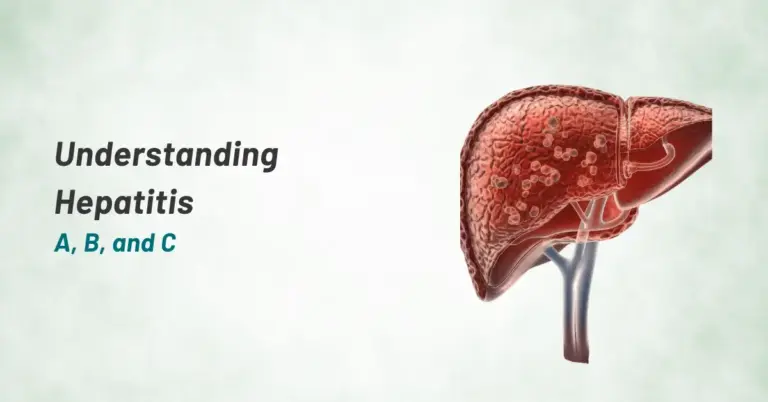
Viral hepatitis is a major global health issue that includes infections like Hepatitis A, B, and C. These diseases, caused by distinct viruses, affect millions worldwide, leading to severe public health challenges. Each type varies in terms of transmission, symptoms, and treatments, including the symptoms of hepatitis that may differ across infections. This blog aims to provide a deeper understanding of these diseases and how they can be managed and prevented.
Hepatitis A: The Traveler’s Concern
Hepatitis A is a highly contagious liver infection caused by the Hepatitis A virus (HAV). The virus often spreads through contaminated food or water and is prevalent in regions with poor sanitation and hygiene.
The symptoms of hepatitis in Hepatitis A often appear suddenly. These can include fever, fatigue, loss of appetite, nausea, abdominal discomfort, and jaundice (yellowing of the skin and eyes). In some cases, especially in adults, symptoms may feel more intense.
Common Symptoms of Hepatitis A:
- Fever
- Fatigue
- Loss of appetite
- Nausea and vomiting
- Abdominal pain
- Jaundice (yellowing of skin and eyes)
- Dark urine
Fortunately, the infection is usually mild and self-limiting, and it does not lead to chronic liver disease. Most people recover completely within a few weeks to months.
The primary method of prevention is vaccination. It is especially recommended for travelers visiting endemic areas. Emphasizing hygiene and proper sanitation remains essential in reducing Hepatitis A cases.
Hepatitis B: A Persistent Threat
Hepatitis B, caused by the Hepatitis B virus (HBV), poses a more serious threat. It can cause both acute and chronic liver conditions. Transmission occurs through blood, unprotected sexual contact, and from mother to child during childbirth.
The symptoms of hepatitis related to Hepatitis B can vary. Some people may not notice any signs initially, while others may experience dark urine, abdominal pain, persistent nausea, fatigue, and jaundice.
Common Symptoms of Hepatitis B:
- Fatigue and weakness
- Dark-colored urine
- Abdominal pain
- Nausea and vomiting
- Joint pain
- Jaundice
- Loss of appetite
Chronic Hepatitis B can lead to liver cirrhosis and even hepatocellular carcinoma, making it a major cause of liver cancer globally.
Vaccination is highly effective in preventing Hepatitis B. For chronic cases, antiviral medications help manage the condition, but long-term monitoring is important. Regular screening for liver function and cancer is essential for individuals living with HBV infection.
Hepatitis C: The Silent Epidemic
Hepatitis C, caused by the Hepatitis C virus (HCV), primarily spreads through blood-to-blood contact. High-risk groups include individuals exposed to unsafe injections or unscreened blood transfusions.
Hepatitis C is often asymptomatic in its early stages, which is why it is commonly called a “silent epidemic.” Many people do not notice the symptoms of hepatitis until the disease has progressed. When symptoms do appear, they may include fatigue, joint pain, loss of appetite, and mild jaundice.
Common Symptoms of Hepatitis C:
- Persistent fatigue
- Joint or muscle pain
- Loss of appetite
- Mild jaundice
- Nausea
- Easy bruising (in advanced stages)
Over time, untreated infection can lead to severe liver damage, cirrhosis, and liver cancer.
The introduction of direct-acting antivirals (DAAs) has significantly improved treatment outcomes, with many patients achieving complete viral clearance. However, since there is no vaccine, prevention through safe medical practices and screening remains critical.

Hepatitis D: The Co-Infection Concern
Hepatitis D is less common but more complex. It occurs only in individuals who are already infected with Hepatitis B, as it depends on the HBV virus to survive.
The symptoms of hepatitis in Hepatitis D can be more severe because of this dual infection. Patients may experience worsening fatigue, jaundice, abdominal swelling, and signs of advanced liver disease more quickly than with Hepatitis B alone.
Common Symptoms of Hepatitis D:
- Severe fatigue
- Jaundice
- Abdominal swelling (fluid buildup)
- Nausea
- Dark urine
- Rapid worsening of liver symptoms
This type can accelerate liver damage and increase the risk of complications. Prevention mainly focuses on Hepatitis B vaccination, which indirectly protects against Hepatitis D.
Hepatitis E: Waterborne and Often Overlooked
Hepatitis E is caused by the Hepatitis E virus (HEV) and is usually spread through contaminated water. It is more common in areas with limited access to clean drinking water.
The symptoms of hepatitis in Hepatitis E are similar to Hepatitis A. These include fever, nausea, fatigue, abdominal pain, and jaundice. Most cases are acute and resolve on their own without long-term liver damage.
Common Symptoms of Hepatitis E:
- Fever
- Fatigue
- Nausea and vomiting
- Abdominal pain
- Jaundice
- Loss of appetite
However, Hepatitis E can be more serious in certain groups, especially pregnant women, where it may lead to severe complications.
Improving sanitation, ensuring clean drinking water, and maintaining hygiene are key preventive measures.
Common Symptoms of Hepatitis to Watch For
Although each type differs, many patients experience similar early warning signs. Common symptoms of hepatitis include:
- Fatigue and weakness
- Fever
- Loss of appetite
- Nausea or vomiting
- Abdominal pain (especially on the right side)
- Dark-colored urine
- Pale stools
- Yellowing of the skin and eyes (jaundice)
Quick Overview: Hepatitis Types at a Glance
| Type | How It Spreads | Long-Term Risk | Key Symptoms |
| A | Unsafe food or drinking water | No | Fever, nausea, yellowing of eyes |
| B | Blood exposure, sexual contact, birth | Yes | Tiredness, joint discomfort, jaundice |
| C | Infected blood contact | Yes | Ongoing fatigue, poor appetite |
| D | Only with existing Hepatitis B | Yes | Rapid liver worsening, severe fatigue |
| E | Contaminated water sources | Rare (except pregnancy) | Mild fever, tiredness, jaundice |
Comparative Analysis and Public Health Implications
Hepatitis A, B, and C differ significantly in transmission modes, severity, and management. Let’s explore their distinctions and understand what are the signs and symptoms of hepatitis in each type:
Hepatitis A focuses on environmental hygiene and is preventable through vaccination and improved sanitation.
Hepatitis B emphasizes vaccination and routine monitoring to mitigate risks of liver complications. Recognizing the early symptoms of hepatitis b can help in timely diagnosis and better long-term outcomes.
Hepatitis C is treatable with advanced medications, but the lack of a vaccine underscores the importance of preventive measures and early diagnosis. Identifying the early symptoms of hepatitis c plays a key role in preventing disease progression.
Global Health Perspective
Viral hepatitis poses a substantial public health burden worldwide. Strategies should focus on public awareness, vaccination campaigns, harm reduction for high-risk groups, and early detection methods. Collective efforts in addressing these challenges can significantly reduce the global impact of these infections.
Conclusion
Understanding the differences between Hepatitis A, B, and C is crucial for effective prevention and management. From vaccination to treatment advances, each type of viral hepatitis presents unique challenges that require targeted strategies. By increasing awareness, promoting vaccinations, and emphasizing preventive measures, we can work towards minimizing the impact of viral hepatitis globally. If you have concerns or are at risk, consult a healthcare professional for screening and vaccination recommendations.