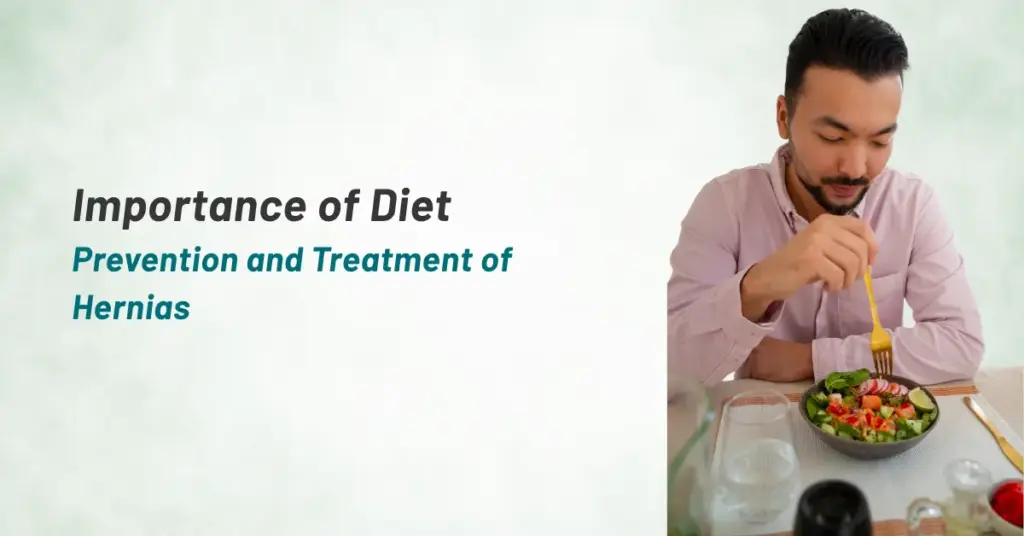
Hernias are a common medical condition that occurs when an organ or fatty tissue protrudes through a weak spot or tear in the surrounding muscle or connective tissue. While hernias often require surgical intervention for treatment, the role of diet in both preventing and managing hernias is often overlooked. Making certain dietary choices can help strengthen the muscles, improve tissue health, and reduce the risk of hernia occurrence or recurrence. Choosing the best food for a hernia can support digestive health and ease abdominal strain.
Here, we offer a simple list of foods that individuals with hernias may consider incorporating into their meals, emphasizing the importance of seeking guidance from a healthcare provider before making any significant changes. By making informed dietary choices, you can potentially ease symptoms and enhance your overall well-being. This list is part of following the best Diet for a hernia for overall abdominal wellness.
High-Fiber Foods
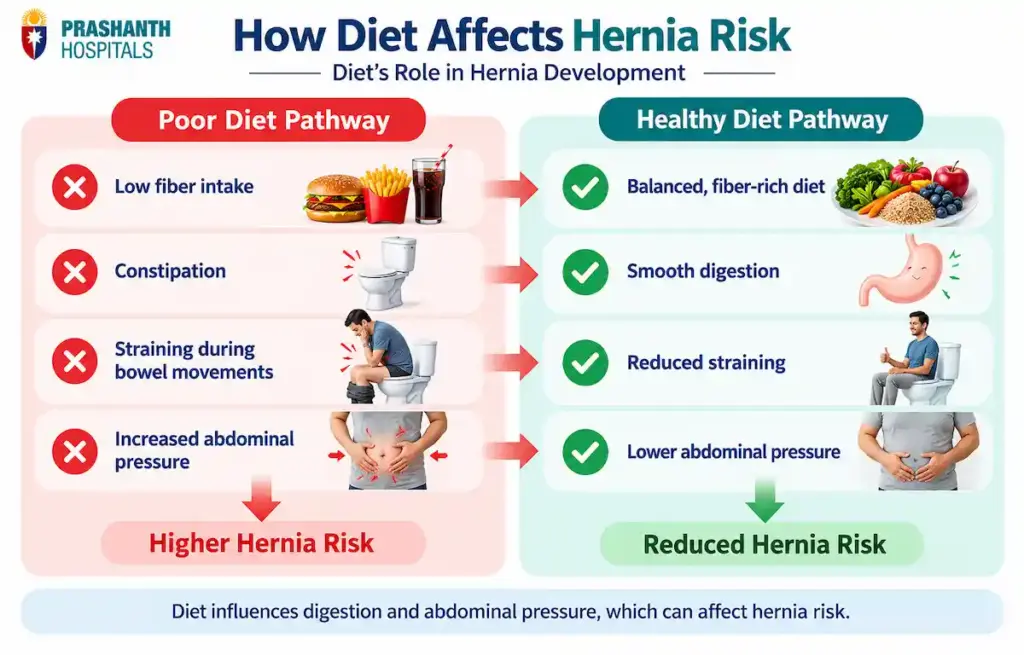
Incorporating high-fiber foods into your diet can help prevent constipation, which is a risk factor for hernias. Foods such as fruits, vegetables, whole grains, and legumes are rich in fiber and can promote regular bowel movements, reducing the strain on the abdominal muscles. Including these items can be considered the best food for a hernia to reduce abdominal pressure.
Maintaining a Healthy Weight
Obesity and excess body weight can increase the risk of hernias, particularly in the abdominal area. Adopting a balanced diet that focuses on portion control, healthy food choices, and regular physical activity can help maintain a healthy weight and reduce strain on the abdominal wall. Maintaining a proper diet and lifestyle is also a key part of the diet plan after hernia surgery for recovery.
Hydration
Adequate hydration is essential for maintaining tissue health and preventing constipation. Drinking plenty of water throughout the day can help soften stools and ease bowel movements, reducing the risk of straining and hernia development. Hydration is an important aspect of selecting the best food for a hernia.
Protein-Rich Foods
Protein is essential for muscle repair and growth. Including lean sources of protein such as poultry, fish, tofu, beans, and nuts in your diet can help strengthen the muscles and tissues, reducing the risk of hernia occurrence or recurrence. These protein-rich choices are considered among the best food for a hernia for tissue support.
Vitamins and Minerals
Certain vitamins and minerals play a crucial role in tissue health and repair. Foods rich in vitamin C, vitamin E, zinc, and magnesium can help promote collagen production, which is essential for maintaining the integrity of connective tissues and preventing hernias. Selecting foods with these nutrients contributes to the diet for managing a hiatal hernia.
Best Food for a Hernia
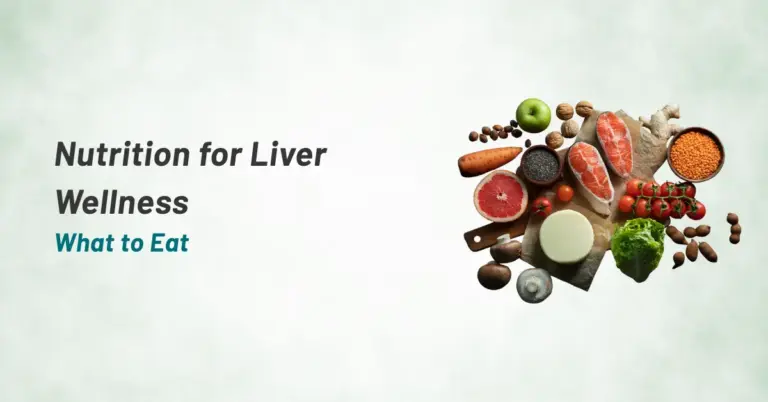
Eating the right foods can help ease symptoms and support recovery. Choosing the best food for a hernia focuses on gentle digestion and reducing excess stomach pressure.
- Carrots and peas — cooked vegetables that are easy to digest and rich in fiber.
- Sweet potatoes — soft, fiber‑rich, and less likely to cause reflux.
- Carrot juice — mild and soothing for the digestive tract.
- Yogurt — provides probiotics that promote gut balance.
- Almonds and chia seeds — good sources of fiber for regular bowel movements.
- Soy milk — plant‑based and low in fat, easier on the stomach.
- Whole grain meal — foods like brown rice, barley, and whole wheat pasta that are easy to digest.
- Aloe vera juice — gentle on the stomach and may soothe irritation after meals.
- Cabbage juice — rich in nutrients and may support healthy digestion.
- Almond milk — another light, dairy‑free alternative for hydration.
- Artichokes — high in fiber and gentle on digestion.
- Green beans — mild, fiber‑packed, and easy on the gut.
- Non‑citrus foods such as bananas, melons and pears — less acidic and kind to the stomach.
Choosing the best diet for a hernia means focusing on foods that are easy to digest, low in fat, and rich in fiber to reduce pressure and discomfort.
Foods to Avoid
Foods to Avoid for General Hernia Prevention
Some foods make a hernia worse simply by adding weight or pushing pressure onto the belly. Cutting these down takes load off the weak spot in the muscle.
- Fried and fatty foods like pakoras, chips and heavy curries. They sit in the stomach longer and slow digestion.
- Carbonated drinks like soda and soft drinks. These fill the stomach with gas and push outward on the muscle wall.
- Raw onion and garlic. They cause gas in a lot of people, and that gas adds pressure the same way.
- Packaged and processed snacks. High salt content makes the body hold water and adds extra strain over time.
Foods to Avoid for Hiatal Hernia
A hiatal hernia is different from a regular hernia. Here part of the stomach slips up through the diaphragm, so the real problem is acid coming back up, not pressure from weight. These foods tend to bring that acid up.
- Spicy food like chili and hot sauce. It irritates the food pipe and makes burning worse.
- Coffee, tea and energy drinks. These loosen the valve that is supposed to keep acid down.
- Chocolate. It relaxes the same valve and often brings on heartburn soon after eating it.
- Orange, lemon and other citrus fruits. These raise acid levels in the stomach.
- Tomato sauce, ketchup and tomato juice. Acidic on their own, so they trigger symptoms fast.
Knowing which type of hernia you actually have changes what you should eat, so it helps to ask your doctor which one applies before you change your diet.
Hernia Diet vs Hiatal Hernia Diet: What’s the Difference
People often mix these two up, and it makes sense why. Both are called hernias, but they behave in completely different ways and need different food choices.
A regular hernia happens when part of an organ or tissue pushes through a weak spot in the abdominal muscle. Here the goal with food is simple, keep weight down and avoid anything that adds pressure on the belly. That means fiber, hydration and lighter meals to stop constipation and straining.
A hiatal hernia is different. Part of the stomach slips up through the diaphragm into the chest area. The problem here is not pressure, it’s acid. Certain foods relax the valve that keeps stomach acid where it belongs, so the diet focus shifts to avoiding reflux triggers like spicy food, caffeine, chocolate, citrus and tomato based dishes.
So if you have a regular hernia, think fiber and weight control. If you have a hiatal hernia, think about what sets off your acid reflux. Mixing the two diets together usually does not help and can even work against you, since a food that is fine for one type may not suit the other. If you are not sure which one you have, ask your doctor before changing your eating habits.
Avoiding Straining During Bowel Movements
Straining during bowel movements can increase intra-abdominal pressure and strain the abdominal muscles, potentially leading to hernias. Eating a diet rich in fiber, staying hydrated, and adopting proper bowel habits can help prevent constipation and reduce the risk of straining.
Even though diet might not completely stop hernias, making smart food choices can greatly lower the chance of getting one or having one happen again. Focusing on fiber-rich foods, staying hydrated, eating enough protein, and not straining during bowel movements are some of the things that people can do to improve their overall abdominal health and lower their risk of getting a hernia. It is essential to consult with a healthcare professional for personalized advice and guidance on hernia prevention and management, especially for individuals at higher risk or those with existing hernias.
It is essential to consult with a healthcare professional for personalized advice and guidance on hernia prevention and management, especially for individuals at higher risk or those with existing hernias. Choosing the best food for a hernia can play a supportive role in long-term abdominal health.
When Should You See a Doctor at Prashanth Hospitals
Diet changes can ease mild symptoms, but they cannot fix a hernia on their own. Knowing when to stop managing it at home and get it checked properly can save you from bigger problems later.
You should book a consultation if you notice a lump or bulge that is growing in size, if you feel pain that does not go away with rest, or if you have ongoing acid reflux that keeps coming back even after avoiding trigger foods. Sudden severe pain, vomiting, or a lump that turns red or feels hard should be treated as urgent and needs medical attention right away.
At Prashanth Hospitals, our gastroenterology team can assess whether your hernia needs surgery or can still be managed with diet and lifestyle changes. Waiting too long is one of the most common mistakes people make, since a hernia that could have been treated early sometimes turns into an emergency later. If diet and simple precautions are not giving you relief, it’s a good time to get it looked at rather than waiting it out.