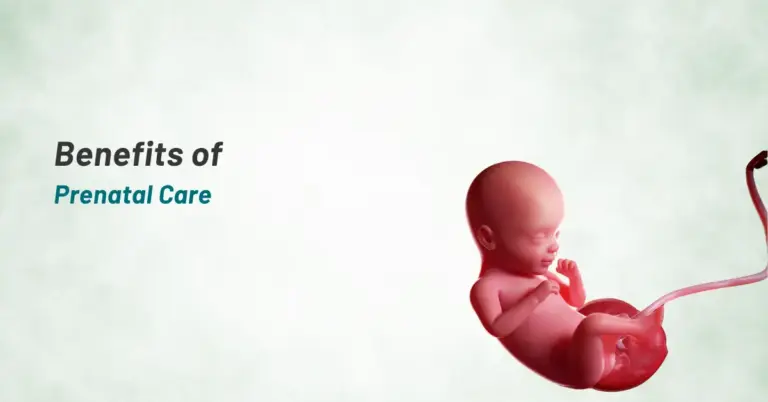
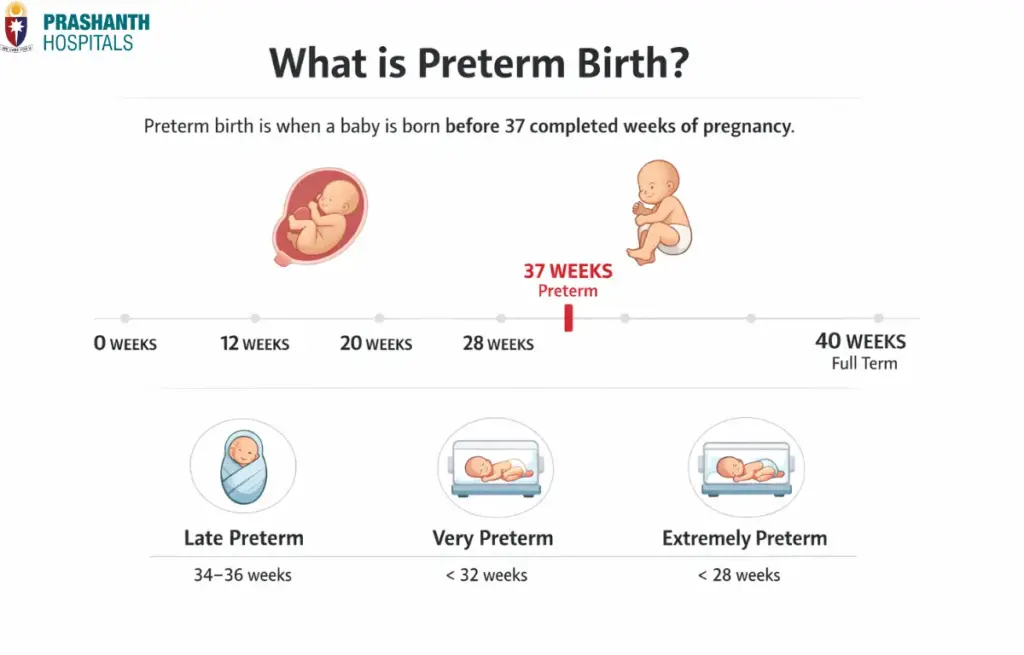
Preterm birth is a global health challenge. Staying pregnant for the full term (39–40 weeks) gives babies the time they need to grow and develop well. Preterm birth refers to delivery before the 37th week of pregnancy. Some premature babies may need care in a newborn intensive care unit (NICU) for close monitoring and support. During the final weeks of pregnancy, a baby’s brain and lungs develop rapidly. When birth happens too early, this development is incomplete. This can lead to health concerns affecting the heart, breathing, cognition, hearing, and vision. Some conditions, such as cerebral palsy, may be serious and lifelong.
Causes of Preterm Birth can vary and are often linked to maternal health, infections, multiple pregnancies, or lifestyle factors. Understanding these causes helps in early identification and timely care. With advances in medical care, survival rates for premature babies have improved significantly. Still, prevention remains important. Knowing how to reduce the risk of preterm birth plays a key role in giving every baby a healthier start in life.
Weight of the baby
While the average full-term baby weighs about 3 kg at birth a premature newborn might weigh 2.25 kg or even considerably less. But thanks to medical advances children born after 28 weeks of pregnancy and weighing more than 1 kg have almost a full chance of survival. Some premature babies need to spend time in a hospital’s newborn intensive care unit (NICU).
The earlier in pregnancy a baby is born the more likely he/she is to have health issues. The doctor might use these terms to describe the baby’s birth:
- Late preterm – Born between 34 and 36 completed weeks of pregnancy
- Moderately preterm – Born between 32 and 34 weeks of pregnancy
- Very preterm – Born at less than 32 weeks of pregnancy
- Extremely preterm – Born at or before 25 weeks of pregnancy
Do premature babies need special medical care?
The earlier your baby arrives the smaller he/she will be the larger the head will seem in relation to the rest of the body and the less fat the baby will have. As the baby has no protective fat the premature baby will get cold in normal room temperatures. For that reason the baby has to be placed immediately after birth in an incubator or under a special heating device called a radiant warmer.
Here the temperature can be adjusted to keep the baby warm. Most of the preterm babies have a good chance of healthy survival with special newborn care. Babies born before 34 weeks of pregnancy are most likely to have health problems but babies born between 34 and 37 weeks of pregnancy are also at increased risk of having health problems related to premature birth.
Common Causes of Preterm Birth
Preterm birth happens when a baby is born before 37 completed weeks of pregnancy. In many cases, it can occur unexpectedly. However, certain medical and lifestyle factors can increase the risk. Understanding these risk factors helps in early monitoring and timely care and in identifying the causes of preterm birth at the right time.
Below are some of the most common causes and risk factors linked to preterm labor and the major causes of preterm birth.
1. Prior Preterm Birth
If you have had a preterm birth in a previous pregnancy, the chances of it happening again are higher. A previous history remains one of the strongest Causes of Preterm Birth and should be discussed early with your doctor.
Your doctor may:
- Monitor your pregnancy more closely
- Recommend medications or cervical support if needed
- Advise lifestyle changes to reduce risk
Early antenatal visits are especially important in this situation to understand possible causes of premature birth in your case.
2. Short Gap Between Pregnancies
Having pregnancies very close together (less than 6–12 months apart) can increase the risk of preterm labor. Short pregnancy spacing is often considered among the common causes of preterm birth.
Your body needs time to:
- Recover from the previous pregnancy
- Restore nutrient levels
- Heal physically and emotionally
Family planning and spacing pregnancies can help lower this risk and reduce preventable causes of premature birth.
3. Multiple Pregnancy (Twins or Triplets)
Carrying twins, triplets, or more increases pressure on the uterus. This can lead to:
- Early stretching of the uterus
- Early contractions
- Increased chances of preterm delivery
Regular scans and close monitoring are essential in multiple pregnancies, as they are recognised causes of preterm birth due to increased uterine stress.
4. Problems with the Uterus or Cervix
Certain structural conditions can increase risk, such as:
- Incompetent cervix (cervical insufficiency) – when the cervix opens too early without pain
- Abnormal shape of the uterus
- Previous surgeries on the cervix
In some cases, a procedure called a cervical stitch (cerclage) may be advised to help support the pregnancy and prevent complications related to structural Causes of Preterm Birth.
5. Maternal Health Conditions
Chronic medical conditions can increase the risk of premature labor, including:
- High blood pressure
- Diabetes
- Thyroid disorders
- Kidney disease
- Autoimmune conditions
Good control of these conditions before and during pregnancy plays a key role in reducing complications and lowering the risk of preterm birth complications.
6. Weight-Related Risks
Both extremes can affect pregnancy:
- Being overweight or obese – linked to high blood pressure and gestational diabetes
- Being underweight – may affect fetal growth and overall pregnancy health
Maintaining a healthy weight before pregnancy supports better outcomes.
7. Smoking, Alcohol, or Drug Use
Substance use during pregnancy can:
- Affect placental function
- Reduce oxygen supply to the baby
- Trigger early labor
Stopping smoking, alcohol, and drug use as early as possible greatly improves pregnancy safety.
8. Placental Problems
Conditions affecting the placenta can lead to early delivery, such as:
- Placental abruption – when the placenta separates from the uterus before delivery
- Placental infection
- Poor placental blood flow
These conditions may cause bleeding, abdominal pain, or reduced baby movements and require immediate medical attention.
9. Hormonal Changes and Infections
Certain infections and hormonal imbalances can trigger uterine contractions.
Common examples include:
- Urinary tract infections
- Vaginal infections
- Untreated sexually transmitted infections
- Inflammation of the uterus
Many infections can be treated easily when detected early. Regular prenatal check-ups help identify these issues and address underlying Causes of Preterm Birth before they progress.
Warning Signs of Preterm Labor
Contact your doctor immediately if you notice:
- Regular tightening or contractions before 37 weeks
- Lower back pain that does not go away
- Pelvic pressure
- Vaginal bleeding or spotting
- Leaking fluid from the vagina
- Change in vaginal discharge
Early medical care can sometimes delay labor and improve outcomes for the baby.
Baby Growth Chart by Gestational Age
Understanding your baby’s growth during pregnancy can be reassuring. Below is an approximate guide to average weight, length, and head circumference at different gestational ages.
These values are averages. Individual babies may vary slightly.
Baby Growth by Gestational Age – Boys
| Gestational Age | Average Weight | Average Length | Head Circumference |
| 40 Weeks | 3.6 kg | 51 cm | 35 cm |
| 35 Weeks | 2.5 kg | 46 cm | 32 cm |
| 32 Weeks | 1.8 kg | 42 cm | 29.5 cm |
| 28 Weeks | 1.1 kg | 36.5 cm | 26 cm |
| 24 Weeks | 0.65 kg | 31 cm | 22 cm |
Baby Growth by Gestational Age – Girls
| Gestational Age | Average Weight | Average Length | Head Circumference |
| 40 Weeks | 3.4 kg | 51 cm | 35 cm |
| 35 Weeks | 2.4 kg | 45 cm | 31.5 cm |
| 32 Weeks | 1.7 kg | 42 cm | 29 cm |
| 28 Weeks | 1.0 kg | 36 cm | 25 cm |
| 24 Weeks | 0.60 kg | 32 cm | 21 cm |
What Do These Measurements Mean?
Weight
Gives an idea of overall growth and nutritional health inside the womb.
Length
Shows skeletal and body development.
Head Circumference
Reflects brain growth and development.
Important to Remember
- Ultrasound estimates may vary slightly from actual birth measurements.
- Preterm babies may need additional monitoring after delivery.
- Regular antenatal visits help track healthy fetal growth.
If you have concerns about your baby’s growth or scan reports, consult your obstetrician for proper guidance and reassurance.
Best Neonatal Care Hospital in Chennai
After a quick examination in the delivery room the baby might be moved to the NICU upon the specialist’s advice. If the baby is premature or needs surgical care he/she will be cared for in our exclusive Neonatal Intensive Care Unit (NICU). Prashanth Hospitals has one of the best NICU in Chennai. While some risk factors cannot be changed there are a few general ways to reduce the odds of having a premature birth. You can have antenatal appointments more often and you will have extra tests and checks to make sure that you and your baby ore doing fine.
Prashanth Hospitals houses the most advanced facilities like high-end intensive care unit ventilators CPAP machines incubators ECMO which is available only in a few centers in Chennai maternal ICU exclusively for mothers with complex health issues Pediatric ICU and 24 hours ICU availability with the best specialists to treat mothers as well as newborns. If you think you are experiencing preterm labor it is important that you see a doctor right away.