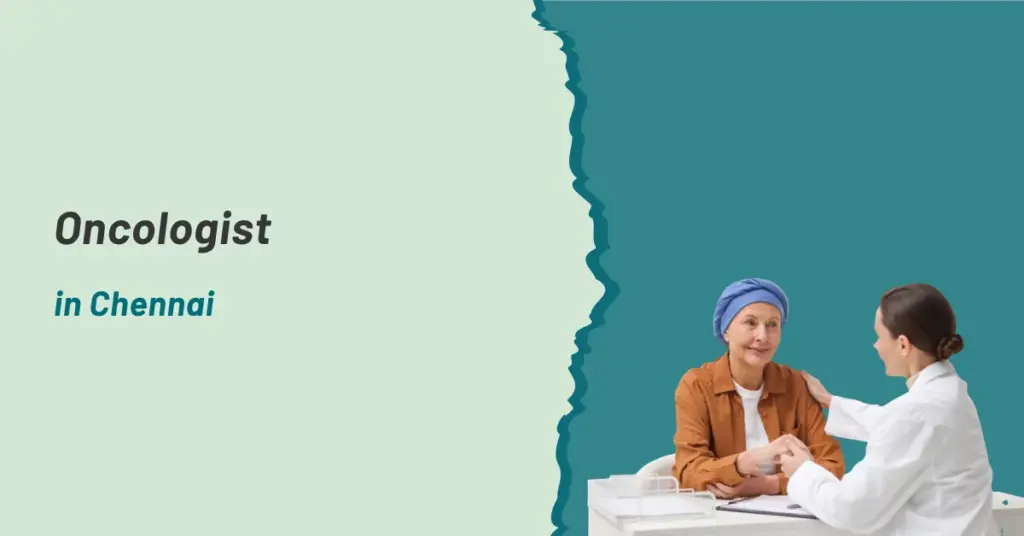
Hearing a cancer diagnosis can bring fear, confusion and many questions. Families often wonder where to go, whom to trust and what to do next. Finding the right oncologist in Chennai is an important step, because the specialist not only plans treatment but also helps patients and families understand each stage of care.
At Prashanth Hospitals, cancer care includes consultation with a medical oncologist, diagnostic tests, medicine based treatment and support services. For many cancers, earlier diagnosis and improved treatments have changed what patients can expect. The outlook depends on the type and stage of cancer.
Who is an Oncologist?
An oncologist is a doctor who specialises in diagnosing and treating cancer. Oncologists guide patients through tests, explain the stage of the disease and suggest treatment options. Cancer care often involves several specialists working as a team:
- A medical oncologist treats cancer with medicines such as chemotherapy, targeted therapy and immunotherapy.
- A surgical oncologist performs operations to remove tumours.
- A radiation oncologist uses radiation to destroy or control cancer cells.
When people search for an oncologist in Chennai, they are often looking for a doctor who can coordinate all these parts of care.
Why Choosing the Right Oncologist Matters
Cancer treatment is not the same for every patient. Two people with the same type of cancer may need very different treatment plans.
The oncologist considers the person’s overall health, the stage of the cancer and their personal needs before planning treatment. For example, a younger woman with early stage breast cancer may need a different approach from an older patient with advanced disease. The oncologist explains the plan at each step so the patient and family stay informed.
Oncology Doctor at Prashanth Hospitals
Dr. K. Sivasubramaniam
- Qualifications: MBBS, MD (General Medicine), DM (Medical Oncology)
- Experience: 12+ years
- Designation: Senior Consultant, Medical Oncology
- Areas of care: Breast, lung, gynaecological, head and neck and gastrointestinal cancers, lymphomas
Dr. K. Sivasubramaniam is a medical oncologist in Chennai who treats solid cancers and lymphomas with chemotherapy, targeted therapy and immunotherapy. A medical oncologist plans medicine based treatment, explains the expected benefits and side effects, and works with surgical and radiation oncologists when other treatment is needed.
Cancers Commonly Treated by a Medical Oncologist
- Breast cancer, including long term follow up
- Lung cancer
- Gynaecological cancers such as ovarian and cervical cancer
- Head and neck cancers
- Gastrointestinal cancers, including stomach and colon cancer
- Blood cancers such as lymphoma
Common Cancer Treatments
- Chemotherapy: Medicines that destroy or control cancer cells
- Targeted therapy: Medicines that act on specific changes inside cancer cells
- Immunotherapy: Medicines that help the body’s immune system fight cancer
- Surgery: Removal of the tumour or affected tissue
- Radiation therapy: High energy rays used to shrink or control cancer
Patients usually see a medical oncologist for medicine based treatment. For surgery or radiation, they may be referred to a surgical or radiation oncologist. Services differ by branch, so please confirm before visiting. Every treatment has side effects, and the oncologist explains them before treatment starts.
Team Based Cancer Care
Modern cancer care follows a team approach, where specialists from different fields discuss each case and plan treatment together. This helps the plan cover each aspect of the patient’s condition.
Cancer care covers treatment and also quality of life. Early diagnosis, good nutrition and emotional support all play a part in recovery.
Cancer Tests and Diagnostics
Accurate tests help doctors find cancer, understand its stage and plan the right treatment. Common tests include:
- PET CT scan: Shows how active cells are across the body. It helps find where cancer has spread and check how well treatment is working.
- MRI scan: Gives detailed pictures of soft tissues. It is useful for tumours in the brain, spine and other organs.
- CT scan: Used to find tumours in the chest, abdomen and pelvis, guide biopsies and track treatment.
- Ultrasound scan: A quick, painless scan to check lumps and abdominal organs, and to guide biopsies.
- Mammography: An X ray of the breast used for screening and early detection of breast cancer.
- Biopsy and histopathology: A small piece of tissue is taken and studied under a microscope to confirm cancer and find its type and grade.
- Endoscopy: A thin camera is used to look inside the food pipe, stomach or colon and take samples if needed.
- Tumour marker tests: Blood tests that can help track certain cancers and their response to treatment. They are used along with scans, not on their own.
- Genetic and molecular testing: Finds specific changes in cancer cells, which can help the doctor choose targeted medicines for some cancers.
Availability of each test may differ by branch, so please confirm before visiting.

When Should You See an Oncologist?
Many early symptoms of cancer seem minor, but if they last, they should be checked. It is a good idea to see a doctor for:
- Unexplained weight loss or tiredness: Losing weight without trying or feeling tired all the time for a few weeks
- Pain that does not go away: Ongoing pain that does not improve with usual treatment
- A new lump or swelling: In the breast, neck or elsewhere. Most lumps are not cancer, but they should be checked
- Changes in bowel or bladder habits: Constipation, diarrhoea, blood in stools or urine changes lasting more than a few weeks
- A non healing ulcer in the mouth or a white or red patch, especially in people who use tobacco
- Unusual bleeding: Including bleeding after menopause or between periods
- A family history of cancer: Close relatives with cancer may mean a higher risk and a need for earlier screening
Usually the first step is to see a family doctor or general physician, who can arrange tests and refer to an oncologist if needed.
Cancer Screening
Screening means testing people who have no symptoms to find cancer early. Common screening tests include:
- Breast cancer: Breast examination and mammography for women, as advised by the doctor
- Cervical cancer: Pap smear or HPV test for women
- Oral cancer: Mouth examination, especially for people who use tobacco or alcohol
- Colon cancer: Stool tests or colonoscopy, as advised by the doctor
The doctor advises which screening tests are suitable based on age, sex and family history.
Support Services for Cancer Patients
Cancer care goes beyond medical treatment. Patients often need emotional, physical and practical support during and after treatment.
- Counselling and emotional support: Helps patients and families cope with fear, anxiety and stress, and offers a safe space to talk.
- Nutrition guidance: Diet plans are adjusted to the treatment type to help maintain strength and manage side effects such as nausea or loss of appetite.
- Pain and symptom management: Medicines and supportive care to keep patients as comfortable as possible during treatment.
- Rehabilitation and physiotherapy: Helps patients regain strength and movement after surgery or treatment.
- Regular follow up: Visits after treatment help track recovery and find any changes early.
These services help patients maintain their quality of life and recover both physically and emotionally.
How to Choose an Oncologist in Chennai
Choosing an oncologist can feel overwhelming during a stressful time. A few practical steps can help:
- Look for a doctor with experience in the specific type of cancer.
- Check qualifications, such as a DM in Medical Oncology, and the hospital’s facilities.
- Choose someone who listens and explains clearly.
- Ask whether the hospital follows a team approach with surgical and radiation oncologists.
Many families prefer to meet the doctor once before starting treatment. This helps them understand the approach and feel comfortable asking questions. Getting a second opinion before major treatment is also reasonable.
Conclusion
A cancer diagnosis brings many questions, and the right specialist can help answer them. Seeing an oncologist in Chennai early, understanding the treatment options and asking questions at every stage can make the journey clearer for patients and families. At Prashanth Hospitals, cancer care includes consultation, medicine based treatment, tests and support services, with clear guidance at each step.