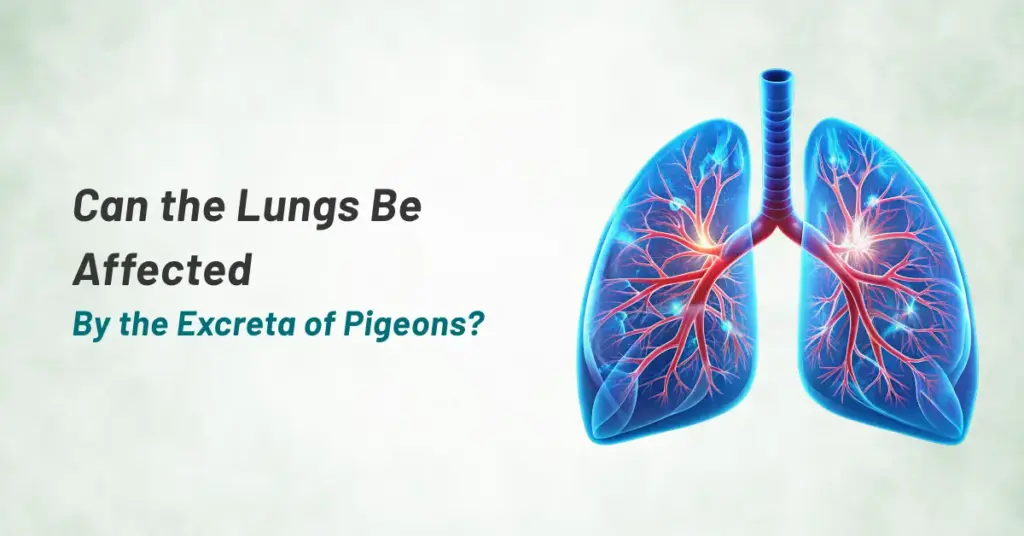
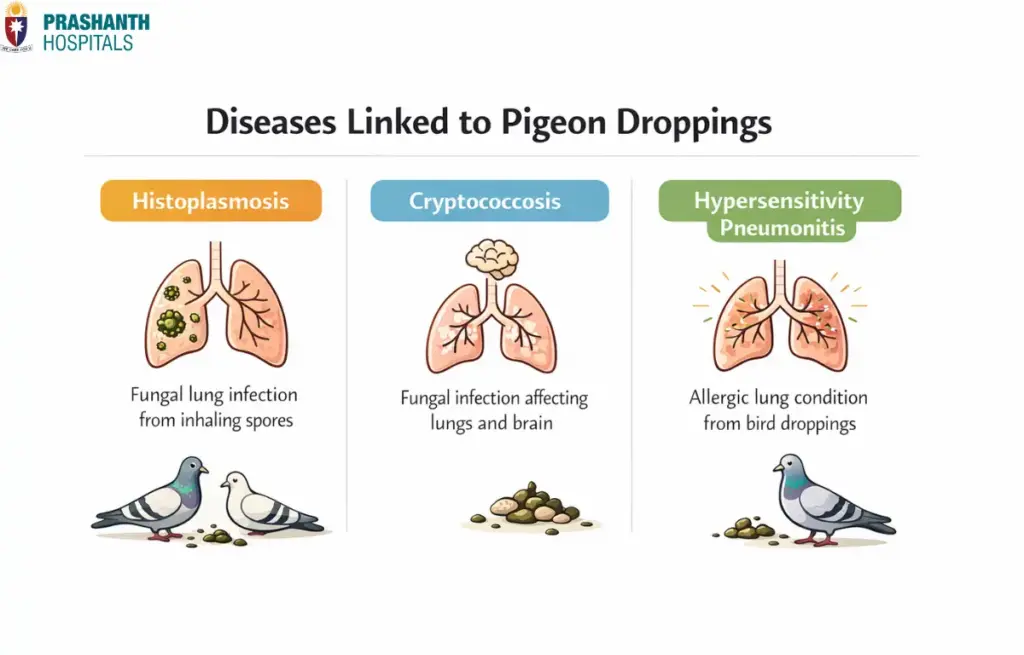
Pigeon lung disease is a condition that develops when a person repeatedly breathes in fine dust from pigeon droppings, feathers, or dried waste. These particles are not harmful in a single exposure, but when inhaled over time, the body begins to react. The immune system treats them as foreign substances and causes inflammation inside the lungs. This condition is a type of hypersensitivity reaction, meaning the body becomes overly sensitive to these particles. It is often seen in people who live in areas where pigeons gather frequently or in those who clean bird droppings regularly. Over time, this repeated exposure can affect normal breathing and reduce lung efficiency if not addressed early.
Expert Insight: Can Pigeon Residue Lead to Serious Lung Problems?
Can the pigeon residue alone lead to a kind of infection which would badly affect the functioning of the lungs? Our expert Dr. M. Deepa Selvi throws some light on the topic.
Bird Fancier’s Lung is a type of hypersensitivity pneumonitis, an immunologically mediated lung disease due to repetitive exposure of air-borne avian antigen, is an unusual but important occupational and recreational cause of severe and debilitating breathlessness. This was first described in 1965 and is known as one of the most common causes of hypersensitivity pneumonitis.
The evolution of lung damage and irreversible disease process in hypersensitivity pneumonitis is characterized by chronic and persistent antigen exposure. The degree and length of antigenic exposure is directly related to disease progression. Continuous antigen exposure increases the risk for fibrotic development. The only effective intervention that can halt this chronic evolution is early recognition and control of the causative antigen or exposure.
Clinicians must take a detailed occupational and recreational history in any patient presenting with unexplained dyspnea. Bird Fancier’s lung is one of the common and preventable causes of hypersensitivity pneumonitis. Antigen avoidance and removal is the most important facet in the management. Medical therapy in the form of systemic corticosteroids may be useful but it continues to progress despite avoidance of antigen exposure. Acute or subacute forms may resolve with treatment, however, chronic cases may progress to pulmonary fibrosis where lung transplantation may be required.
Though the pigeons are the symbols and embodiment of love and affection, let us keep ourselves safe and secure.
Bird Fancier’s Lung and Hypersensitivity Pneumonitis: The Real Medical Name for Pigeon Lung Disease
Most people call this condition pigeon lung disease because that name is easy to understand, but it is not the actual medical term. Doctors know it as Bird Fancier’s Lung, and the broader medical name for the reaction happening inside the lungs is hypersensitivity pneumonitis.
As Dr. M. Deepa Selvi explains, this happens when the lungs react to tiny airborne particles from birds, called avian antigens, after repeated exposure over time. The immune system starts treating these particles as a threat and creates inflammation inside the lungs. This is not an infection in the usual sense, it is the body overreacting to something it keeps breathing in again and again.
Knowing the real name matters for a simple reason. If you ever need to explain your symptoms to a doctor or search for more information, using the term Bird Fancier’s Lung or hypersensitivity pneumonitis will get you far more accurate and medically reliable results than searching pigeon lung disease alone. It also helps during a consultation, since mentioning this term straight away can guide the doctor toward the right questions about your exposure history much faster.
Symptoms of Pigeon Lung Disease
The symptoms may vary depending on how often and how long a person has been exposed. Common pigeon lung disease symptoms include:
- Shortness of breath, especially during activity
- Dry or persistent cough
- Fever with chills after exposure
- Chest tightness or mild pain
- Fatigue and general weakness
- Feeling unwell after being around pigeons
In some cases, pigeon lung disease symptoms may appear within hours of exposure and improve when the person moves away from the source.
Causes of Pigeon Lung Disease
The condition develops due to repeated exposure to particles from pigeons. Common causes include:
- Inhaling dust from dried pigeon droppings
- Exposure to pigeon feathers and nesting material
- Living in buildings where pigeons gather frequently
- Cleaning balconies, rooftops, or windows with bird waste
- Poor ventilation in enclosed spaces
Over time, this repeated exposure can lead to lung disease due to pigeons, especially when protective measures are not used.
How Pigeon Droppings Affect the Lungs
When pigeon droppings dry, they break down into very fine dust particles. These particles easily mix with the air and can be inhaled without being noticed. Once they enter the lungs, they reach the air sacs, where oxygen exchange normally takes place. The body’s immune system reacts to these particles and causes inflammation. This swelling makes it harder for the lungs to function properly. With repeated exposure, the inflammation can become long-lasting, leading to breathing problems. This is how pigeon lung disease develops and gradually affects lung health if exposure continues.
Who is at Risk of Pigeon Lung Disease?
People who are regularly exposed to pigeons or their droppings are more likely to develop this condition. This includes individuals living in apartments or buildings where pigeons nest on balconies or rooftops. People who feed pigeons or spend time in areas where birds gather may also be at risk. Cleaning bird droppings without proper protection increases exposure. Pet bird owners and workers in dusty environments may also inhale these particles without realizing it. Over time, this repeated exposure can increase the risk of developing lung disease due to pigeons, even in people who were previously healthy.
Complications of Pigeon Lung Disease
If the condition is not identified and managed early, it can lead to more serious problems:
- Chronic breathing difficulty
- Reduced lung capacity
- Lung scarring (pulmonary fibrosis)
- Lower oxygen levels in the body
- Ongoing fatigue and weakness
- Permanent damage to lung tissue
In advanced cases, untreated exposure may result in lung disease caused by pigeons that affects long-term respiratory function.
How is Pigeon Lung Disease Diagnosed
Diagnosis usually starts with a conversation, not a test. Your doctor will ask detailed questions about where you live, whether pigeons gather near your home, how often you clean bird droppings, and how long you have been noticing symptoms. This exposure history is often the biggest clue, since the symptoms alone can look similar to asthma or a regular chest infection.
After that, a few tests help confirm what is going on inside the lungs.
A chest X-ray is usually the first step and can show early signs of inflammation. An HRCT scan, which stands for high resolution CT scan, gives a much more detailed picture of the lungs and can pick up changes an X-ray might miss. Lung function tests measure how well air moves in and out of your lungs and how efficiently oxygen is being absorbed. Blood tests can check for specific antibodies your body may have produced in response to bird antigens. In some cases, a bronchoscopy is done, where a thin tube is passed into the lungs to collect a small sample for closer examination.
Not everyone needs every test. Your doctor will decide based on your symptoms, how long you have been exposed, and what the initial X-ray shows. The main goal of diagnosis is to catch the condition early, since the earlier it is identified, the easier it is to prevent long term lung damage.
How to Prevent Pigeon Lung Disease
Prevention mainly focuses on reducing contact with pigeon-related dust and maintaining clean surroundings. Avoid direct exposure to pigeon droppings whenever possible. Keep balconies, rooftops, and windows clean, especially in areas where pigeons gather. Wearing a protective mask, such as an N95 mask, while cleaning bird waste can help reduce inhalation of harmful particles. Installing bird nets or spikes can prevent pigeons from nesting near living spaces. Good ventilation inside homes also helps reduce the buildup of airborne particles. Taking these simple precautions can lower the chances of developing pigeon lung disease and protect overall lung health.
When Should You See a Doctor for Pigeon Lung Disease?
You should consider seeking medical advice if you experience symptoms such as persistent cough, shortness of breath, or fatigue that does not improve over time. If these symptoms appear after exposure to pigeons or worsen with repeated contact, they should not be ignored. Early evaluation can help identify the condition before it progresses. Doctors may ask about your exposure history and suggest tests to assess lung function. Recognizing early signs and getting timely care can help manage pigeon lung disease effectively and prevent complications.
Conclusion
Pigeon lung disease is often overlooked because its early symptoms can feel mild or similar to common respiratory issues. However, repeated exposure to pigeon droppings and dust can gradually affect lung health. What starts as occasional discomfort may develop into a more serious condition if left unmanaged. Understanding the risks, recognizing early warning signs, and taking preventive steps can make a significant difference. With timely care and reduced exposure, it is possible to protect your lungs and avoid long-term complications caused by this condition.
Check out H5N1 Bird flu in Chennai.