Your doctor orders a scan. You go for the X-ray, ultrasound, CT, or MRI, and a few days later a report comes back with words you have never heard before. Somewhere behind that report is a doctor you never actually met in person, the one who looked closely at your images and wrote down what they found. That doctor is a radiologist.
Most people only think about a radiologist when a scan is ordered, and even then, the role stays a bit of a mystery. This guide explains what a radiologist does, when you may need one, what different types of scans involve, and how to choose the right radiologist in Chennai for your needs. You will also meet the radiology team at Prashanth Hospitals.
What Does a Radiologist Do?
A radiologist is a doctor trained to read medical images and explain what they mean. This includes X-rays, ultrasound, CT scans, MRI scans, and mammograms. After you have a scan, the radiologist studies the images closely, along with relevant clinical information and any previous imaging, when available, and writes a report for the doctor who sent you for the test.
Many people mix up a radiologist with a radiographer, also called a radiologic technologist. The radiographer is a trained healthcare professional who operates the machine and positions you for the scan. The radiologist is the doctor who studies the pictures afterward and gives the medical opinion. Both roles matter, but they are not the same job.
Meet the Radiology Team at Prashanth Hospitals
The Department of Radiology at Prashanth Hospitals brings together doctors with different areas of focus, so scans are read by someone with the right experience for your case.
Dr. J. Senthilkumar
- MBBS, DMRD, DNB (Radiology)
- 19+ Years of Experience
- Consultant
- Department of Radiology
When a knee, spine, or shoulder problem needs a closer look, Dr. J. Senthilkumar is the doctor many turn to at Prashanth Hospitals. He has spent close to two decades reading scans, with an interest in musculoskeletal imaging, the branch of radiology dealing with bones, joints, and soft tissue. His training took him through PSG Institute of Medical Sciences in Coimbatore, followed by a diploma from Manipal Academy of Higher Education and a DNB in Radiology from Ramakrishna Hospital, Coimbatore. His profile lists musculoskeletal imaging among his areas of expertise, which patients can ask about when booking a scan for sports injuries, joint pain, or spine complaints.
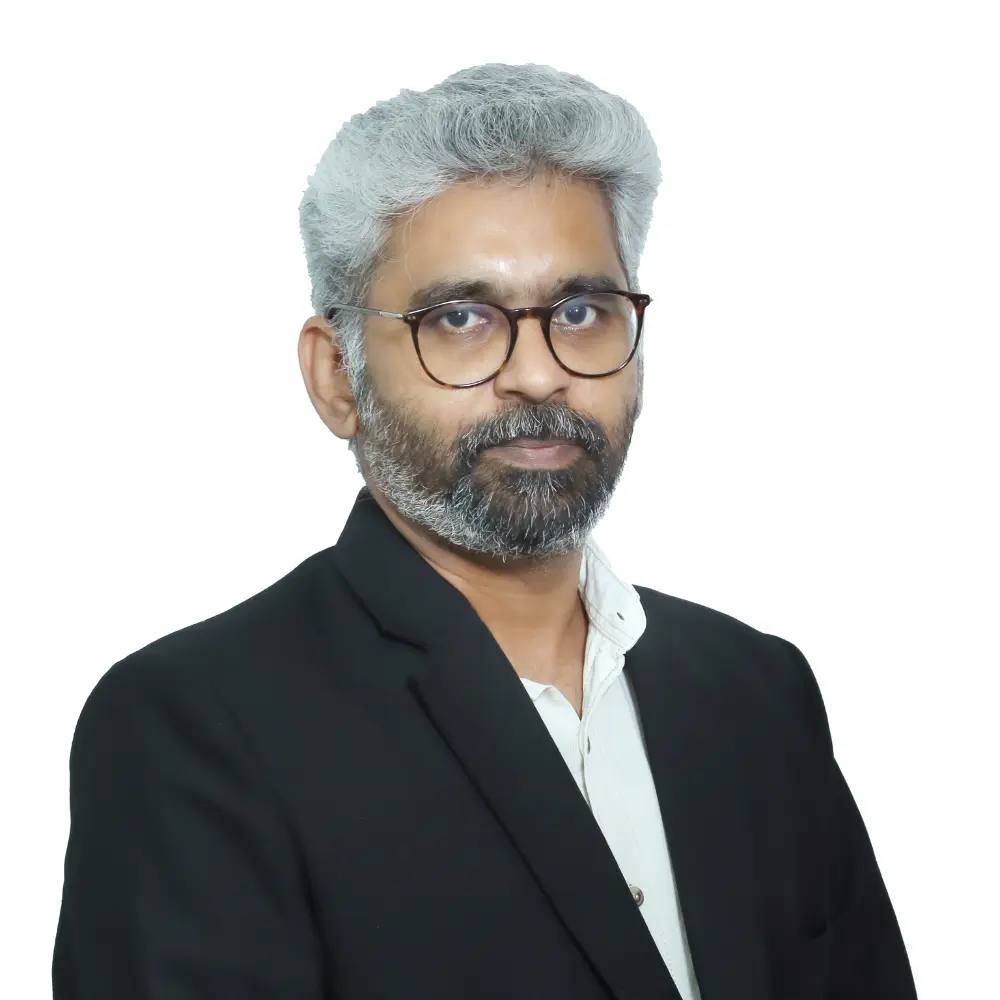
Dr. Sindhu Bala J
- MBBS, MD (Radiodiagnosis), Fellowship in Advanced Obstetrics and Gynaecology Ultrasound
- 15+ Years of Experience
- Consultant, Radiologist and USG Specialist
- Department of Radiology
For expecting mothers, an ultrasound is often the first real glimpse of their baby, and Dr. Sindhu Bala J is the radiologist many families at Prashanth Hospitals see for exactly this reason. With 15 years behind her, her listed areas of expertise include obstetric and gynaecology ultrasound, backed by a fellowship in advanced imaging for this area. Beyond pregnancy scans, she also handles general diagnostic imaging and radiological procedures, bringing the same careful, unhurried approach to every patient. Her training runs from MBBS through an MD in Radiodiagnosis to a recent fellowship in advanced obstetric and gynaecology ultrasound.
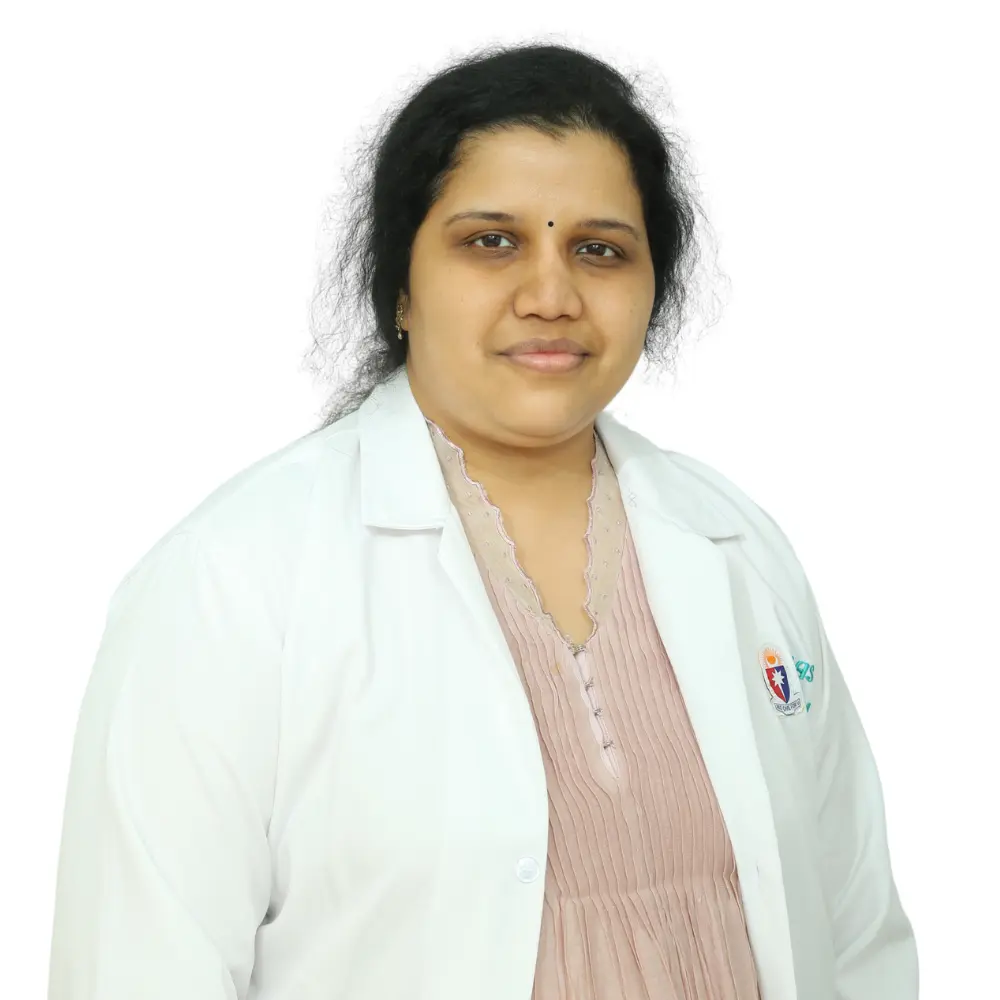
Dr. Narmadha R
- MBBS, Diploma in Radio Diagnosis, DNB (Radiology)
- 14 Years of Experience
- Senior Consultant
- Department of Radiology
Fourteen years into her career, Dr. Narmadha R brings 14 years of experience in general diagnostic imaging. As a senior consultant in the Department of Radiology at Prashanth Hospitals, Her listed expertise covers diagnostic imaging and radio diagnosis, the kind of scans a doctor may order for a persistent cough or a suspected kidney stone, among other concerns. She moved through her MBBS, a Diploma in Radio Diagnosis, and a DNB in Radiology, building a steady, broad-based expertise that serves patients across age groups and departments.
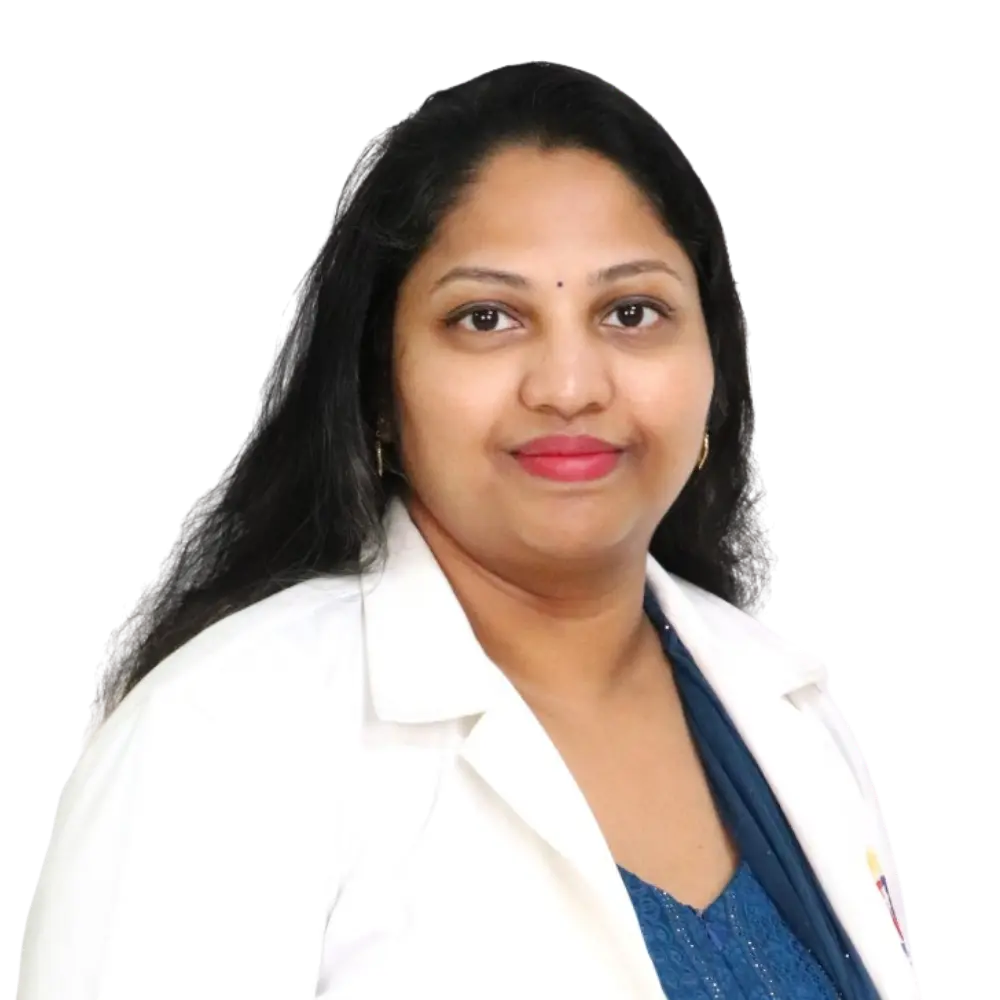
Dr. Ruma Chakraborty
- MBBS, MD (Radiology), DNB (Radiology), MNAMS
- 15+ Years of Experience
- Consultant Radiologist
- Department of Radiology
Few radiologists carry a range as wide as Dr. Ruma Chakraborty, whose work spans CT, MRI, and PET scans, fetal and Doppler ultrasound, cancer imaging, bone and joint imaging, and image-guided procedures such as biopsies and drainages. A gold medalist from the Armed Forces Medical College in Pune, she went on to complete her MD in Radiology aboard the Indian Naval Hospital Ship Asvini in Mumbai, followed by a DNB in Radiology and membership of the National Academy of Medical Sciences. She has also trained further through observerships in fetal ultrasound at Sabin Hospital in Kochi, bone and joint imaging at Sancheti Orthopedic and Spine Center in Pune, and body imaging at Bombay Hospital, Mumbai. This breadth is reflected in her listed areas of expertise, which span routine and complex imaging alike.
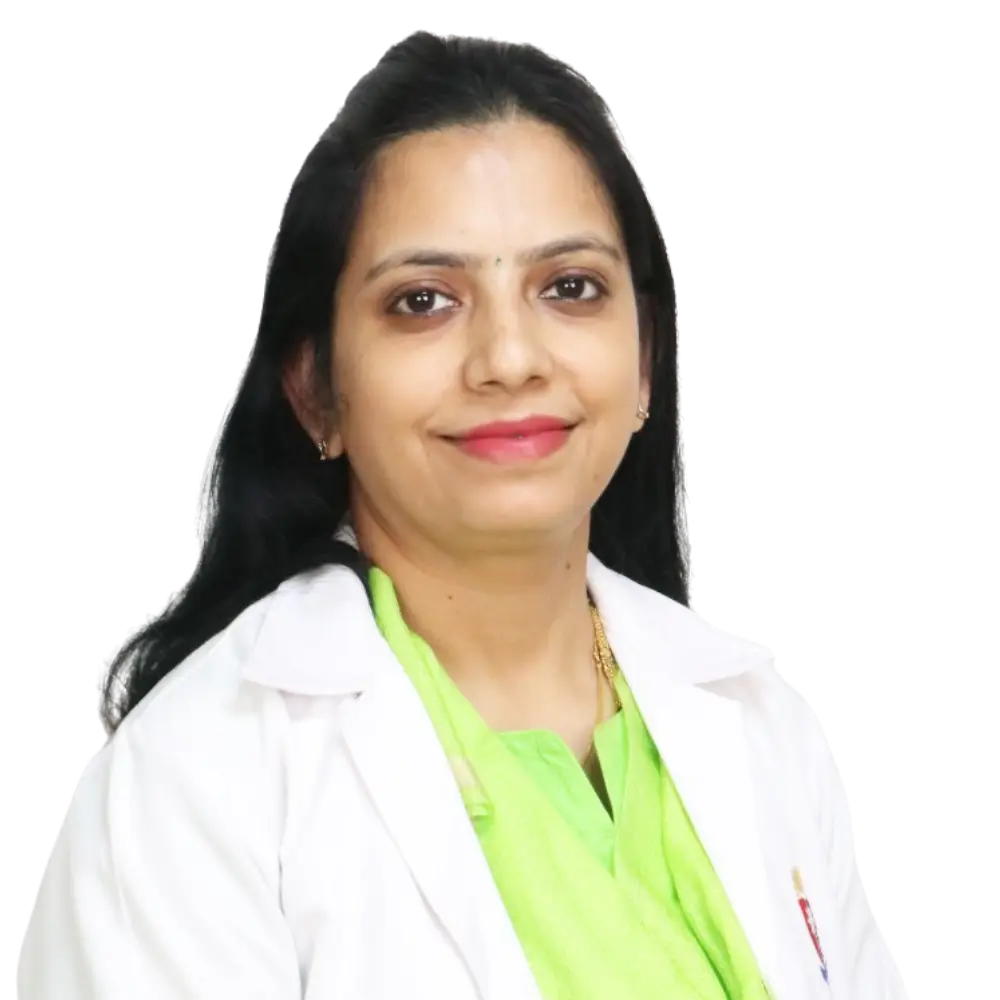
Dr. Sahana Subramani
- MBBS, MD (Radiodiagnosis), EDIR, DICR, Post-Doctoral Fellowship in Paediatric Radiology (CMC Vellore)
- 6+ Years of Experience
- Consultant Radiologist, Specializing in Paediatric Imaging
- Department of Radiology
Scanning a newborn or a young child calls for a different eye than scanning an adult, and Dr. Sahana Subramani’s listed specialty is paediatric imaging. Her work covers everything from antenatal and neonatal scans to paediatric neuroimaging, whole-body imaging, and oncology imaging in children. After her MBBS and MD in Radiodiagnosis, she completed a Post-Doctoral Fellowship in Paediatric Radiology at Christian Medical College, Vellore, and went on to earn an international SPIN fellowship in paediatric neuroradiology, alongside the European Diploma in Radiology and a Diploma in Clinical Radiology. For families with young children, her paediatric radiology training and fellowship are worth asking about when booking a scan.
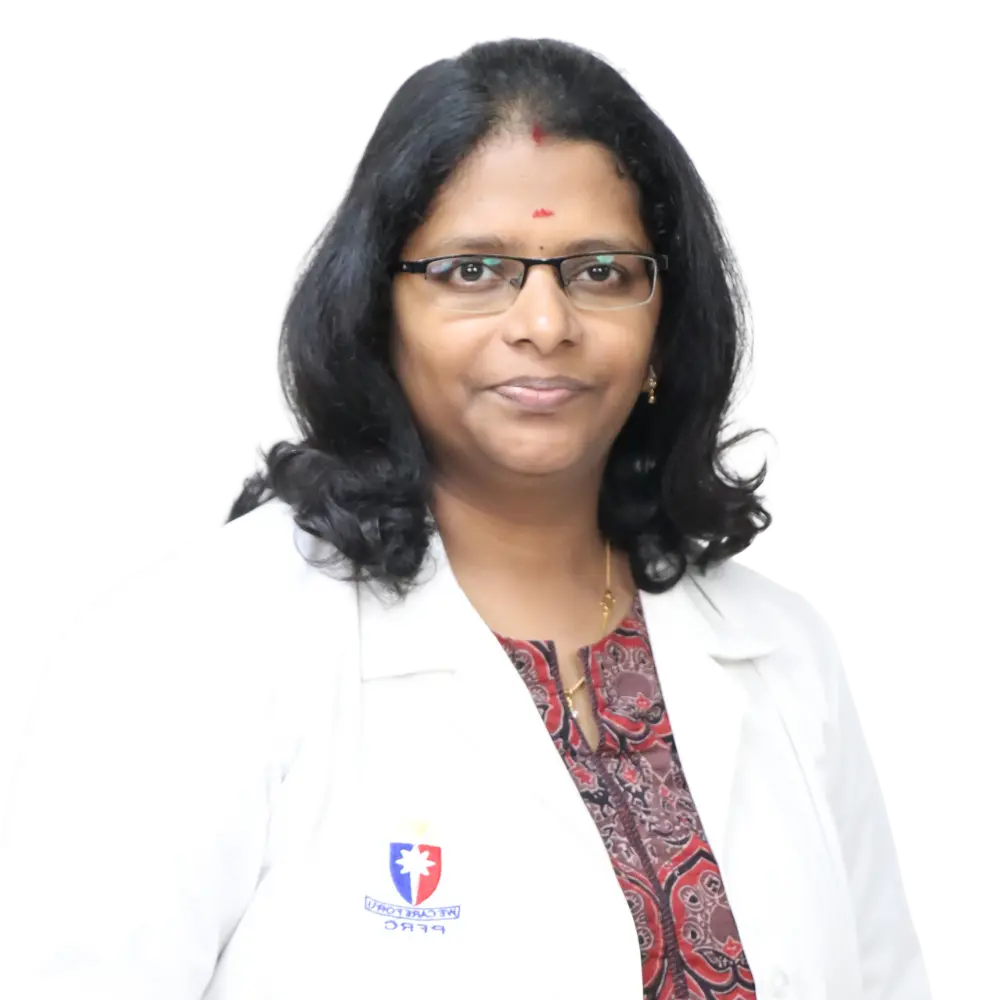
Dr. M. Anitha Christina
- MBBS, MD (Radiology)
- 5+ Years of Experience
- Consultant
- Department of Radiology
Rounding out the radiology team is Dr. M. Anitha Christina, whose practice covers a wide mix of everyday imaging needs, from fetal scans and general ultrasound to mammograms, CT, MRI, and image-guided procedures. She completed her MBBS at Raja Muthiah Medical College, Annamalai University, followed by an MD in Radiology from SRM Medical College in Chennai. Her listed areas of expertise span this range, covering routine imaging needs across different age groups.
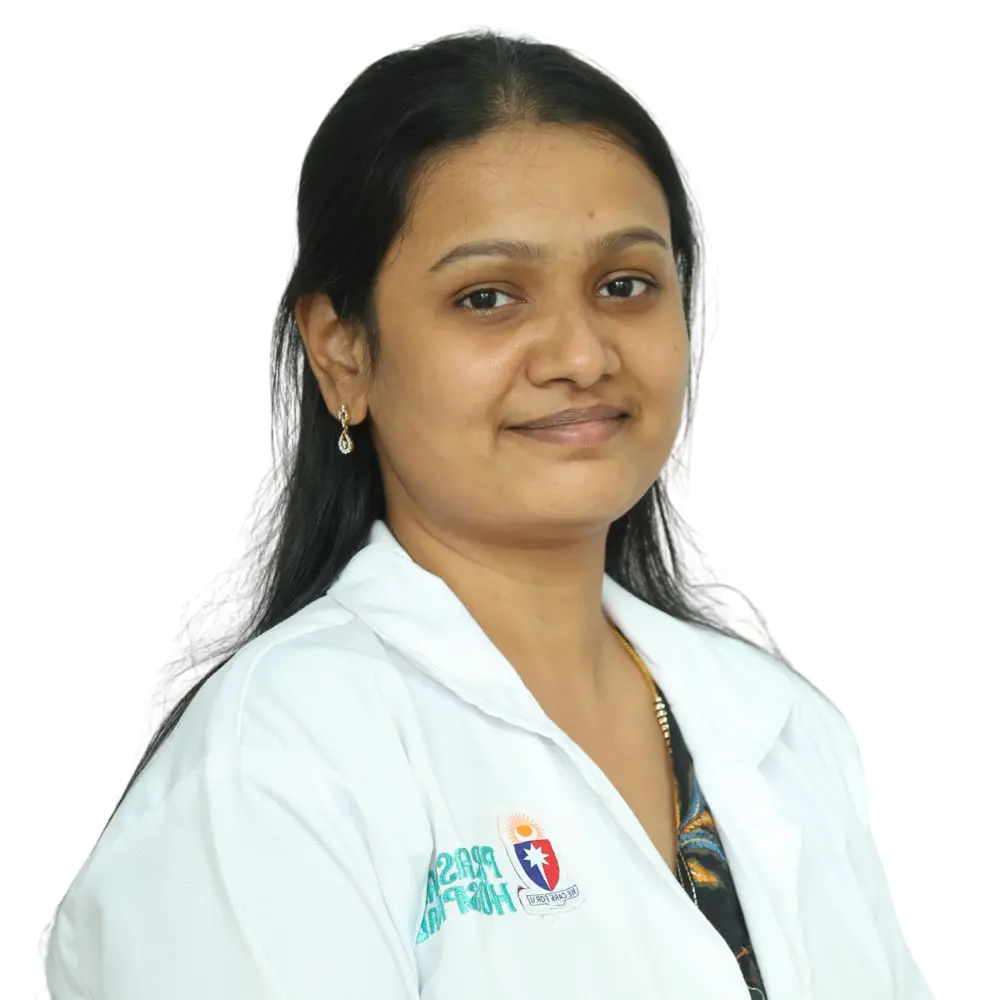
Dr. Arul
- MBBS, PGRD, PGDM
- 15 Years of Experience
- Consultant
- Department of Radiology
Fetal medicine sits at a particularly sensitive intersection of imaging and obstetric care, and Dr. Arul has spent 15 years working in this exact space at Prashanth Hospitals. His listed area of expertise is fetal medicine, which covers scanning the unborn baby to check growth, development, and any early signs that need closer attention during pregnancy. His training took him from Madras Medical College in Chennai to Tver Medical College in Moscow for his PGRD, and later a PGDM from Annamalai University. Expecting parents referred to him are seeing a radiologist whose listed specialty is fetal medicine.
When Do You Need a Radiologist?
You usually do not choose to see a radiologist on your own. Another doctor, such as your physician, surgeon, or specialist, sends you for a scan, and a radiologist reads it. Common reasons include:
- Unexplained pain, swelling, or an injury that needs a closer look
- Follow up on a known condition, such as a growth, a stone, or a healing fracture
- Checking for internal problems when blood tests alone do not give a clear answer
- Cancer screening or monitoring treatment response
- Planning before a surgery, so the surgeon knows exactly what they are dealing with
- Pregnancy checks and growth scans
In some cases, such as a lump or a breast screening, you may book a scan directly without a doctor’s referral. It is still a good idea to share the results with your regular doctor afterward.
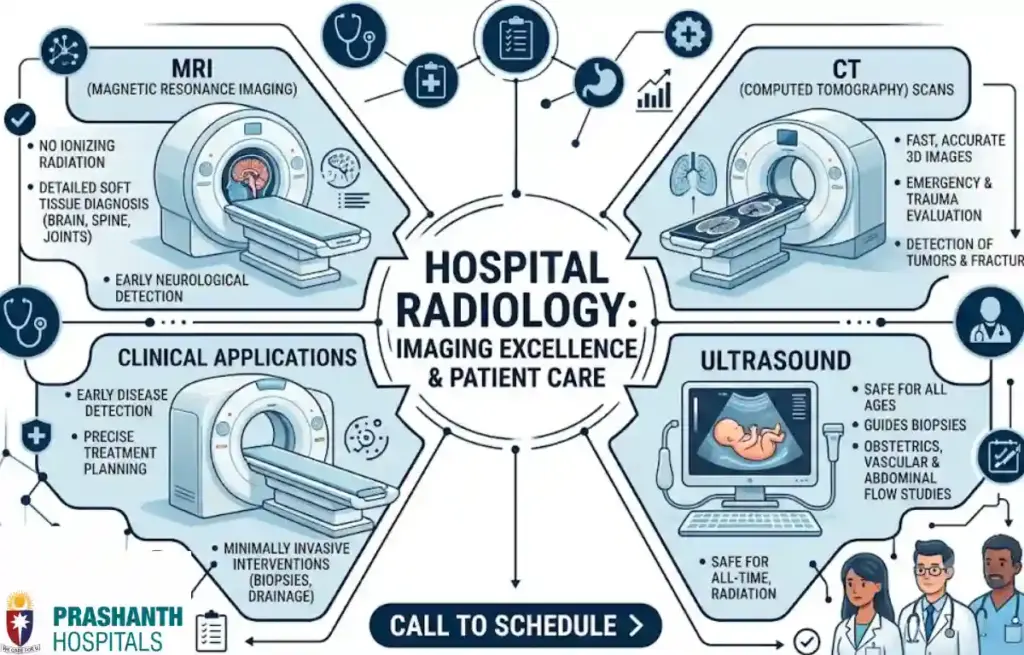
Common Types of Scans and What They Show
X-ray
An X-ray is often the first scan ordered for bones and chest problems, and for some belly complaints such as suspected bowel obstruction, perforation, or a swallowed object. It is quick and uses a small dose of radiation, and can show broken bones, findings that may suggest pneumonia and other lung conditions, and other basic problems.
Ultrasound
Ultrasound uses sound waves, not radiation, to create images. It is commonly used for pregnancy checks, belly organs like the liver and kidneys, the thyroid, and joints. It does not use ionizing radiation and is generally considered safe when medically indicated.
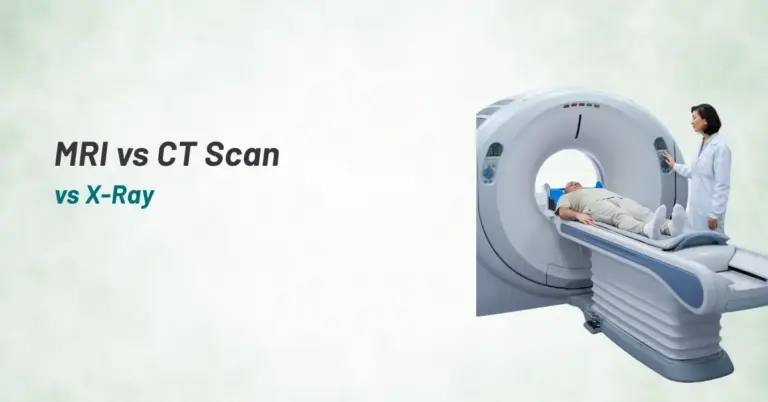
CT Scan
A CT scan takes many X-ray images from different angles and combines them into detailed cross-section pictures. It is useful for injuries, internal bleeding, complex infections, and some cancers. A CT scan uses more radiation than a plain X-ray, and the dose varies depending on the type of CT and the body area being scanned, so your doctor will weigh the benefit against the dose.
MRI Scan
MRI uses magnets and radio waves rather than radiation. It gives a detailed look at soft tissue such as the brain, spine, joints, and muscles. An MRI usually takes longer than a CT scan and involves lying inside a tunnel-shaped machine.
Mammography
Mammography is a low dose X-ray of breast tissue, used for screening and for checking a lump or other change. Screening recommendations depend on age, personal risk, and the guideline being followed, so it is worth discussing with your doctor when to start. Finding changes early can mean some breast cancers are easier to treat.
Interventional Radiology Procedures
Some radiologists also perform procedures guided by imaging, such as draining a collection of fluid, taking a needle biopsy from a lump, or opening a blocked blood vessel. These procedures often need only a small cut, which can mean a lower infection risk and a shorter hospital stay. Recovery may be shorter than with some open surgical procedures, depending on the case.
What to Expect During a Scan
Most scans are straightforward, but a little preparation makes the visit smoother.
- X-ray and CT. You may need to remove jewelry or metal objects. Some CT scans use a contrast material given through a vein or taken by mouth. Depending on the scan and local protocol, you may be asked to fast beforehand.
- MRI. Tell the MRI team about any implants, pacemakers, metal fragments, or other implanted devices, since the machine uses strong magnets. Many modern implants are safe for MRI, but this needs to be checked first.
- Ultrasound. Some scans, such as a belly ultrasound, need a full bladder or an empty stomach, depending on what is being checked.
- Mammography. The breast is briefly compressed between two plates to get a clear image. It can feel uncomfortable for a moment, but it does not take long.
Tell the team if you are pregnant or might be pregnant, so they can choose the most appropriate imaging approach. Ask questions freely. A good radiology team will explain what to expect in plain language before you begin.
How Radiology Reports Work
Once your scan is done, the radiologist studies the images and writes a detailed report describing what they see. This report is sent to the doctor who referred you, and that doctor explains the findings and the next steps in the context of your overall health. In urgent situations, such as a suspected stroke or a serious injury, the radiologist may communicate the finding directly to the treating team so appropriate treatment can begin promptly.
Turnaround time depends on the type of scan and how urgent it is. Some X-rays may be reported within hours, while other scans take longer depending on the facility and urgency. If your case is urgent, ask your doctor or the radiology desk how soon the report will be ready.
How to Choose the Best Radiologist in Chennai
There is no single “best” radiologist for every situation. What matters is finding the right match for your scan and your medical question. A few things worth checking:
- A connected hospital team. When radiology sits within a full hospital, urgent findings can be acted on quickly by the right specialist.
- Relevant training. Look for recognised radiology qualifications, and a sub-specialty that matches your need, such as neuroradiology, musculoskeletal imaging, or breast imaging.
- Experience with your type of scan. A radiologist who reads a high number of a particular scan type tends to build sharper judgment for subtle findings.
- Good equipment. Modern CT and MRI machines give clearer images and often use lower radiation doses.
- Clear communication. Reports should be easy for your treating doctor to act on, and the team should be willing to answer your questions.
- Quick, reliable turnaround. Especially important when you are anxious for results or when timing affects treatment.
Book a Scan at Prashanth Hospitals
If your doctor has recommended a scan, or you would like to speak with the radiology team at Prashanth Hospitals about your imaging needs, you can book an appointment through the hospital.
This article is for general information only. It does not replace advice from your own doctor. Please consult a qualified doctor for guidance on your specific condition.