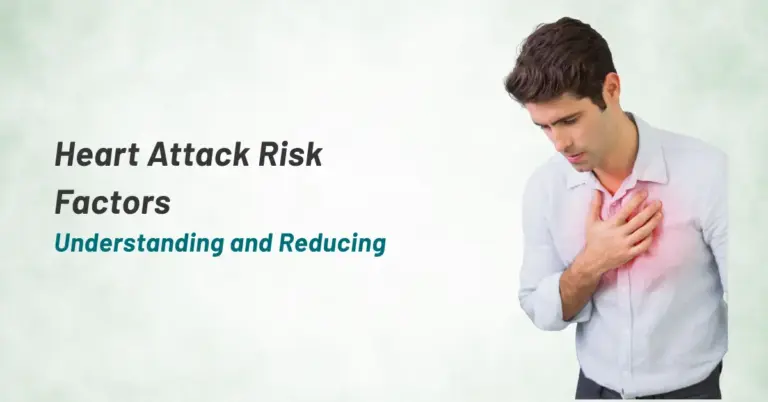
Imagine reducing your chances of a heart attack by making simple changes to your daily routine. Would you take those steps? The good news is that research shows certain habits can significantly lower your heart attack risk. Whether you’re working to prevent your first heart attack or avoid another one, small yet powerful lifestyle changes can make a real difference. This guide will help you understand how to avoid a Heart Attack effectively.
Adopting a heart-healthy lifestyle is one of the most effective ways to protect your heart and prevent cardiovascular disease. Even better? It’s never too late to start. Learning how to Avoid a Heart Attack through simple lifestyle choices can drastically improve your long-term heart health.
Heart Attack in India: A Growing Concern
Before diving into lifestyle changes, it’s important to understand the severity of heart disease in India:
- Each year, around 2.5 million people die from cardiovascular diseases, making them the leading cause of death in the country.
- Coronary artery disease (CAD) alone claims about 1.7 million lives annually due to blockages in the arteries.
- By 2030, India is projected to see 4.77 million heart attacks per year—underscoring the urgency of tackling heart-related issues.
- The financial toll of cardiovascular disease is estimated at ₹2.5 lakh crore annually, accounting for healthcare costs, medications, and lost productivity.
These alarming statistics highlight the importance of adopting heart-healthy habits. Let’s explore some key lifestyle changes that can help reduce your risk and show you how to avoid a Heart Attack or Stroke.
Proven Steps to Reduce Your Heart Attack Risk
1. Quit Smoking – A 36% Reduction in Risk
Smoking is a major risk factor for cardiovascular diseases. It reduces blood oxygen levels and contributes to plaque buildup in the arteries. Quitting smoking is the single best thing you can do for your heart. Research shows that quitting smoking can reduce your heart attack risk by approximately 36%. Whether you’ve been smoking for years or recently started, now is always the best time to quit. Speak to your doctor about counseling, nicotine replacement therapies, or medications to help you stop for good. This is a crucial step in learning how to avoid getting a heart attack.
2. Adopt a Heart-Healthy Diet – An 18% Reduction in Risk
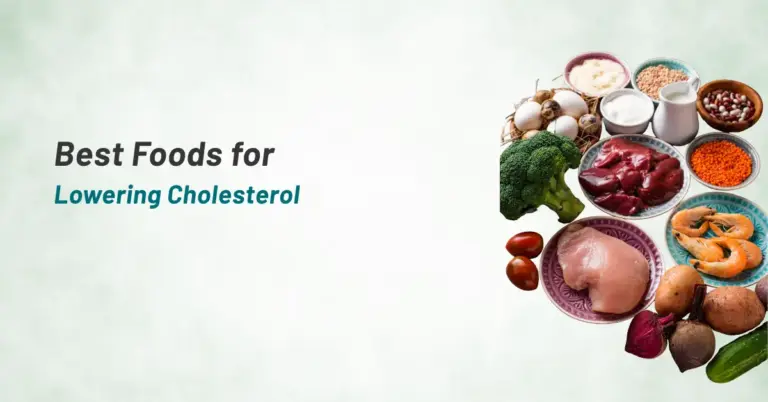
What you eat has a direct impact on your heart health. A diet rich in fruits, vegetables, legumes, nuts, low-fat dairy, whole grains, and fish can reduce your risk of heart disease and lower your chances of a heart attack by 18%. Limiting saturated fats, trans fats, and excessive sugar is also key. Eating heart-healthy foods helps regulate your weight, lower cholesterol, and reduce blood pressure. Working with a dietitian or nutritionist can help you develop a personalized meal plan that’s easy to maintain and beneficial for your heart.
3. Maintain a Healthy Waistline – A 12% Reduction in Risk
Carrying excess weight, particularly around your abdomen, significantly increases your risk of heart disease. Maintaining a healthy waistline—around 37 inches or less for men and 35 inches or less for women—can lower your risk by 12%. Achieving a healthy weight isn’t just about dieting; it involves a balance of smart eating, regular exercise, and stress management. Even modest weight loss can have a positive impact on your heart health. This is another key step in how to avoid a Heart Attack.
4. Limit Alcohol Intake – An 11% Reduction in Risk
While moderate alcohol consumption may offer some heart health benefits, excessive drinking can increase blood pressure and contribute to weight gain, both of which are harmful to the heart. Limiting alcohol intake to fewer than two drinks per day for men and one drink per day for women can reduce your heart attack risk by about 11%. If cutting back on alcohol is challenging, consider speaking to your healthcare provider for support and healthier alternatives. Managing alcohol intake is part of learning how to avoid a heart attack or stroke.
5. Stay Active – A 3% Reduction in Risk
Regular exercise is one of the most effective ways to protect your heart, even if it only contributes to a 3% reduction in heart attack risk. Physical activity helps manage weight, lower blood pressure, and reduce stress—factors that are all critical for heart health. Aim for at least 200 minutes of moderate activity each week, such as swimming, cycling, or brisk walking. Small changes, like taking the stairs instead of the elevator or walking after meals, can add up over time. Find activities you enjoy to stay motivated and active. Staying physically active is a simple way to practice how to avoid getting a heart attack.
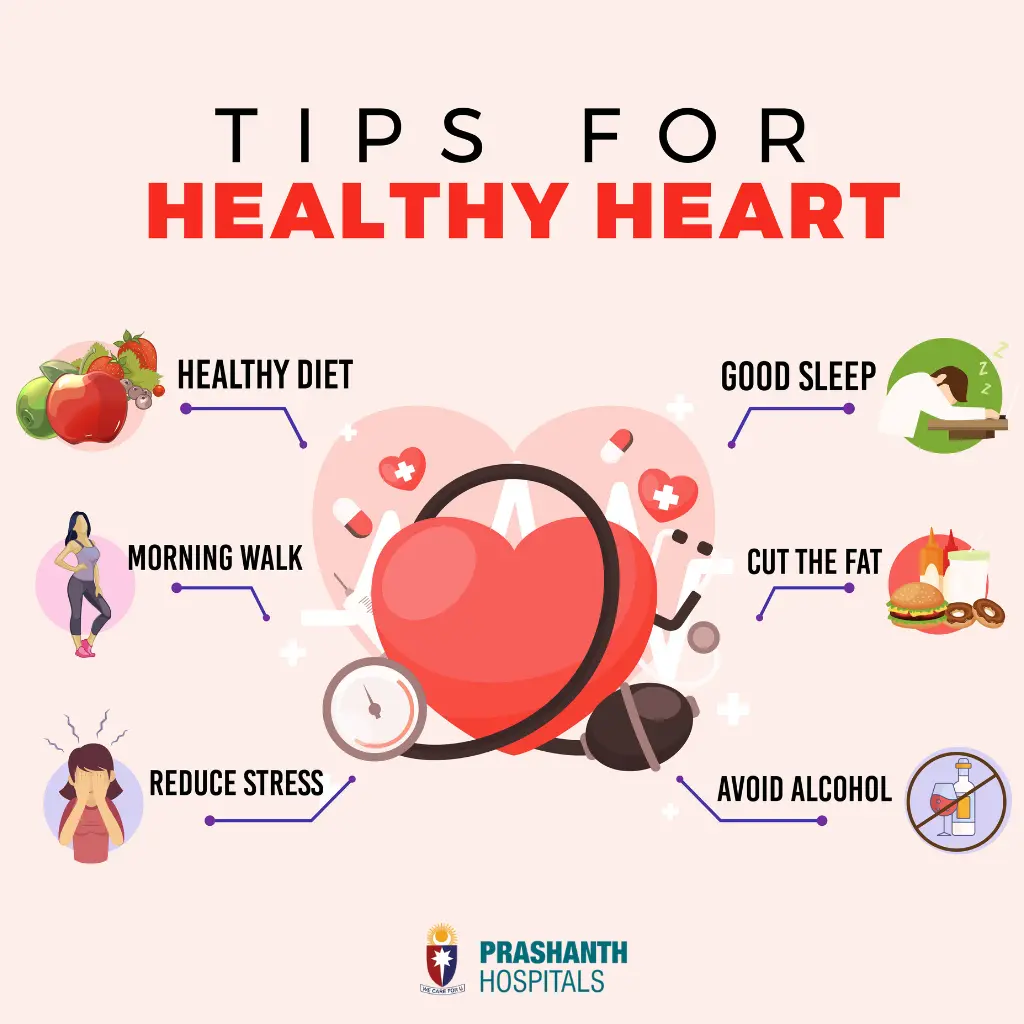
Diet & Nutrition: Simple Food Choices for a Healthy Heart
Eating right is a powerful tool to reduce heart disease risk. A balanced diet helps keep arteries clear, supports healthy blood pressure and cholesterol, and aids overall heart health.
🍎 What a Heart‑Friendly Diet Looks Like
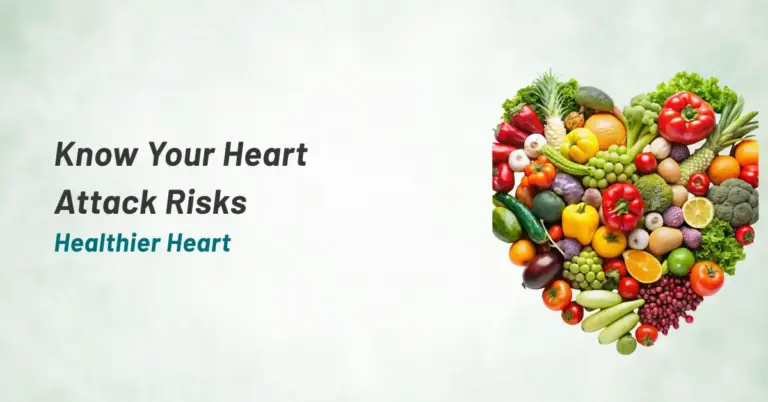
- Plenty of fruits and vegetables every day — colourful produce gives fibre, vitamins, and minerals.
- Prefer whole grains over refined grains — for example whole‑grain bread, brown rice, oats, or whole wheat flour.
- Choose healthy fats & lean proteins — like oily fish, nuts, seeds, and plant oils (olive, vegetable). Limit saturated fats like butter, ghee, fatty meats.
- Limit salt, sugar and processed foods — reducing salt helps control blood pressure, and cutting down on sugary/processed foods helps manage weight and reduces artery‑clogging fats.
✅ How Diet Lowers Heart Attack Risk
- Eating lots of fibre, whole grains, fruits and vegetables helps lower “bad cholesterol” (LDL), reduces plaque buildup, and helps maintain healthy blood vessels.
- Healthy fats (from fish, nuts, oils) and lean proteins support better blood fat profiles and reduce risk of artery blockage.
- Lower salt intake helps manage blood pressure — high blood pressure is a major risk for heart problems.
- Overall wholesome eating — combined with weight management — reduces the load on the heart, improving long‑term cardiovascular wellness.
Take Charge of Your Heart Health
Living a healthy lifestyle today is your best defense against heart disease in the future. By making smart choices—staying active, eating nutritious foods, quitting smoking, and managing your risk factors—you can protect your heart and improve your overall well-being. Following these steps shows you practical ways of how to Avoid a Heart Attack and maintain lifelong cardiac health.
Incorporate these habits into your daily life and take control of your health. Your heart will thank you, and you’ll enjoy a longer, healthier life.