When people search for a cardiology hospital in Kolathur, they are usually looking for timely diagnosis, safe treatment and doctors who explain things clearly. A cardiology hospital is not only for emergencies. It also provides long term heart care for working adults, senior citizens and families managing lifestyle related heart risks.
In Kolathur, patients often look for cardiac care that is close to home and supported by qualified specialists. Prashanth Hospitals, Kolathur, is one of the hospitals in the area that provides cardiology services for people who need evaluation, treatment and long term heart care.
Why Specialized Cardiac Care Matters
Choosing the right cardiology hospital matters because heart disease often develops silently. A cardiology hospital in Kolathur with cardiologists and cardiac tests on site can help find early warning signs before they turn into emergencies.
Heart problems are not always dramatic. Many develop quietly over years.
Cardiologists often see patients who ignored mild symptoms such as:
- Shortness of breath while climbing stairs
- Repeated chest discomfort that feels like indigestion
- Swelling of the feet by evening
- Tiredness that feels “not normal” for their age
A cardiologist looks beyond these surface symptoms to find the real cause. Early evaluation can help prevent emergencies later.
Common Heart Conditions Treated in Cardiology Hospitals
Patients visiting a cardiology hospital in Kolathur often have conditions linked to modern lifestyles, stress and metabolic problems such as diabetes. Early evaluation at Prashanth Hospitals can help slow the disease and support long term heart health.
A cardiology hospital in Kolathur usually manages a wide range of heart conditions, many of them in working age adults.
Coronary Artery Disease
This is one of the most common heart problems in urban and semi urban India. Fatty deposits narrow the heart’s arteries over time.
Patients may notice:
- Chest tightness while walking
- Pain spreading to the left arm or jaw
- Breathlessness on exertion
Many patients assume it is gas or acidity and delay care.
Heart Disease Linked to High Blood Pressure
Long standing high blood pressure can silently damage the heart muscle.
Common signs include:
- Headaches
- Palpitations
- Tiredness
- Swelling in the ankles
Often, patients feel “fine” until complications develop.
Heart Rhythm Problems (Arrhythmias)
Irregular or fast heartbeats can feel frightening.
Patients describe:
- A sudden racing heart
- Skipped beats
- Dizziness or near fainting
Most rhythm problems can be managed once they are diagnosed correctly.
Heart Failure
Heart failure does not mean the heart has stopped. It means the heart is not pumping as well as it should.
Symptoms include:
- Breathlessness while lying flat
- Coughing at night
- Rapid weight gain due to fluid build up
With proper treatment, many patients live active lives.
When Should You Visit a Cardiology Hospital?
Do not wait for severe pain. Seek evaluation if you or a family member has:
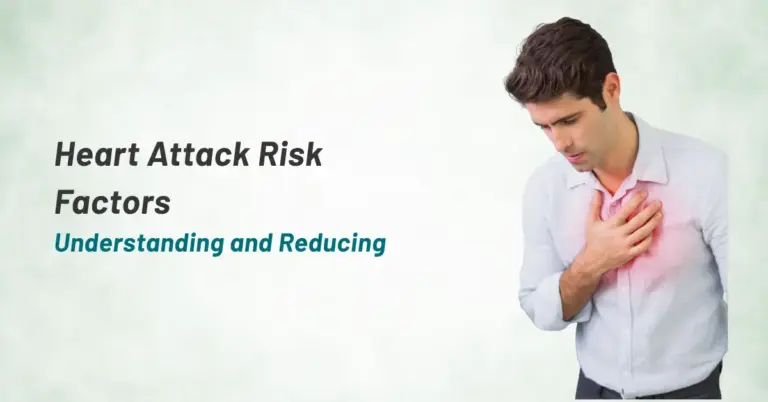
- Chest discomfort lasting more than a few minutes
- Breathlessness at rest or with very little activity
- Sudden sweating with nausea
- Unexplained fainting
- Persistent palpitations
- A family history of early heart disease
For people with diabetes, smokers and people with high blood pressure, even mild symptoms deserve attention. For sudden chest pain, call an ambulance (108) or go to the nearest emergency department straight away.
What to Expect During Your First Cardiology Visit
Many patients worry about complicated tests. In reality, the first visit focuses on listening.
Detailed Conversation
A cardiologist will ask about:
- Your symptoms and when they started
- Your daily routine and stress levels
- Food habits and physical activity
- Sleep patterns
- Family medical history
This conversation often gives important clues.
Physical Examination
Simple checks include:
- Blood pressure
- Heart rate and rhythm
- Swelling in the feet
- Lung sounds
These steps help decide whether tests are needed.
Basic Investigations
Common tests may include:
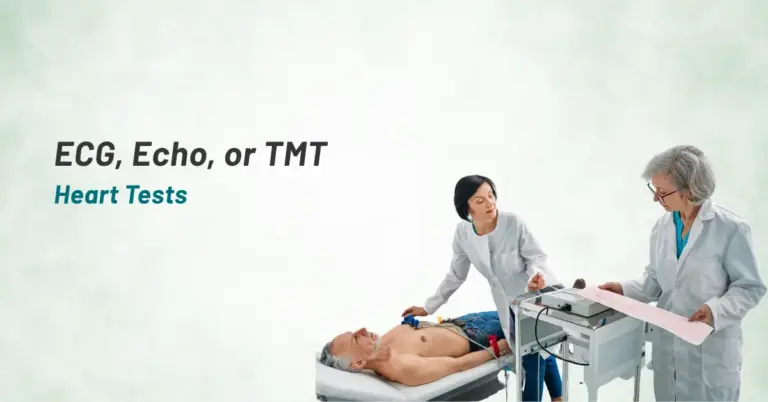
- ECG (electrocardiogram)
- Blood tests
- Echocardiogram (heart ultrasound)
- Treadmill test, if suitable
Not every patient needs every test. Good care avoids unnecessary tests.

Facilities Commonly Available in Cardiology Hospitals
Families often judge a cardiology hospital by the facilities available. A cardiac hospital in Kolathur should offer diagnostic tests, procedures and emergency services under one roof.
A well equipped cardiology hospital in Kolathur generally offers both diagnosis and treatment.
Non Invasive Tests
These tests do not need any cuts or needles into the heart:
- ECG and Holter monitoring
- Echocardiography
- Stress testing
They help assess the heart’s structure and function safely.
Interventional Cardiology
When needed, the hospital may provide:
- Coronary angiography
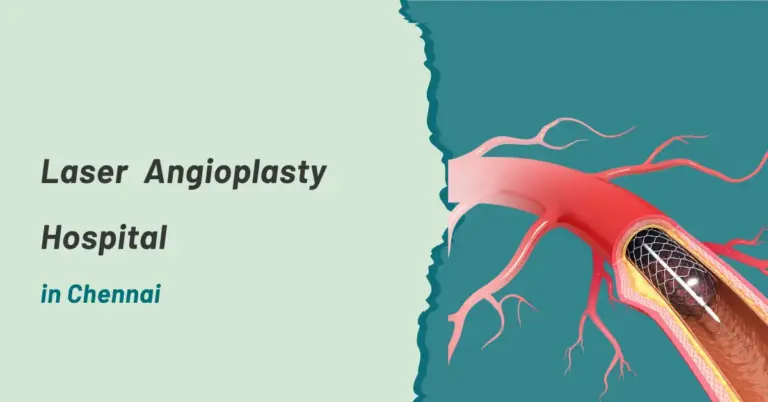
- Angioplasty and stent placement
These procedures are done through a small puncture in a blood vessel and often allow a quicker recovery than open surgery.
Emergency Cardiac Care
Time is critical during a heart attack.
Emergency services typically include:
- A 24 hour cardiac emergency team
- Quick ECG and blood tests
- Immediate stabilisation and treatment
Getting treatment quickly during a heart attack greatly improves the chances of survival and recovery.
How Cardiologists Approach Treatment
Modern heart care is not only about procedures. It is about long term health.
Medicines as the Foundation
Most heart conditions are managed with medicines that:
- Improve blood flow
- Control blood pressure
- Regulate heart rhythm
- Lower cholesterol
Doctors adjust doses carefully to keep side effects low.
Lifestyle Guidance
Patients often ask, “What should I stop eating?”
Instead of strict rules, cardiologists focus on practical changes:
- Cutting down on salt slowly
- Choosing home cooked meals more often
- Walking 30 minutes on most days
- Sleeping better
Small, steady steps usually work better than drastic changes.
Monitoring and Follow Up
Heart care is ongoing.
Regular follow up visits help:
- Track progress
- Adjust treatment
- Lower the risk of complications
Patients who keep up with follow up visits are more likely to stay well over time.
Choosing the Right Cardiology Hospital in Kolathur
When choosing a cardiology hospital in Kolathur, families often think about location and convenience. Equally important are the qualifications of the doctors, how clearly care is explained and whether emergency care is ready when needed.
In Kolathur, families often consider Prashanth Hospitals because it is close by and has many specialities under one roof. When choosing any cardiology hospital, it is important to look beyond the name and focus on the care provided.
Important factors include:
- Qualified cardiologists and cardiac surgeons
- Clear explanations of diagnosis and options
- Emergency services available round the clock
- Clean, organised facilities
- Respectful nursing and support staff
A good hospital makes patients feel heard, not rushed.
Role of Family in Heart Care
Family support plays a big part in recovery.
Simple actions help:
- Reminding patients to take their medicines
- Joining them for walks
- Supporting changes in diet
- Going with them to follow up visits
Heart care works best as a team effort.
Living Well After a Heart Diagnosis
Patients treated at a cardiology hospital in Kolathur often find that a heart diagnosis becomes a chance to improve their overall health. With guidance from their cardiologist, patients learn habits that protect the heart without disrupting daily life.
A heart diagnosis often becomes a turning point.
Many patients find that they:
- Eat better
- Manage stress better
- Find a better work and life balance
With guidance, heart health becomes part of daily living, not a constant worry.
Final Thoughts
A cardiology hospital in Kolathur, such as Prashanth Hospitals, plays an important role in early detection, timely treatment and long term care of heart conditions. For families looking for a heart hospital in Kolathur, making an informed choice and seeing a doctor early are the most important steps towards long term heart health.