The heart works every second of every day, and many heart problems develop slowly without clear warning signs. High blood pressure, high cholesterol, diabetes, smoking and family history all raise the risk of heart disease. Finding these risks early and treating them can help prevent a heart attack or heart failure later.
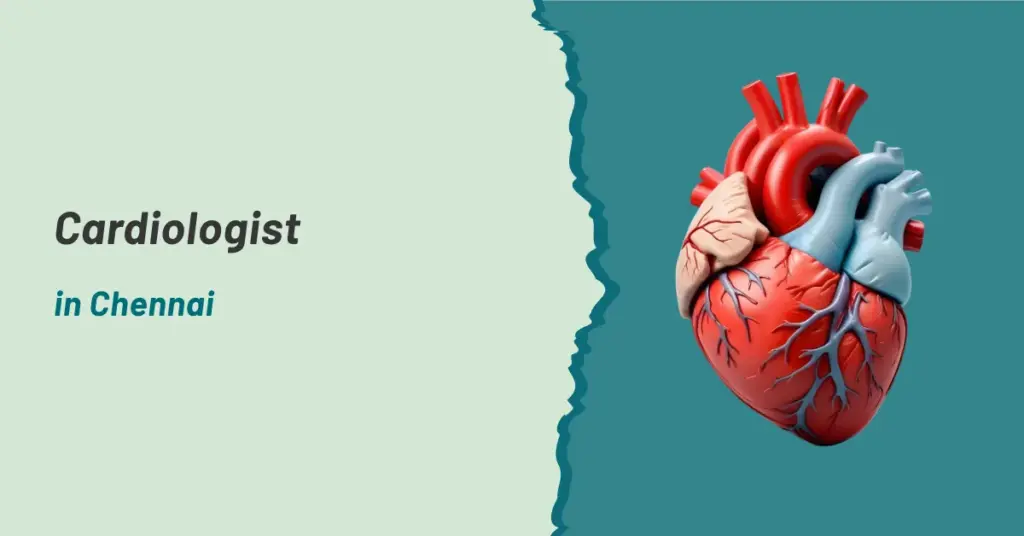
A cardiologist in Chennai can check how well the heart is working, explain test results and plan treatment, from medicines and lifestyle changes to procedures such as angioplasty. At Prashanth Hospitals, cardiologists and a cardiothoracic surgeon work together to diagnose, treat and help prevent heart disease.
When Should You See a Cardiologist?
It is a good idea to see a heart doctor if there is:
- Chest pain, pressure or tightness, especially during activity
- Breathlessness while walking, climbing stairs or lying flat
- A fast, slow or irregular heartbeat, or a fluttering feeling in the chest
- Swelling in the feet or ankles
- Dizziness or fainting
- High blood pressure, high cholesterol or diabetes that is hard to control
- A family history of heart disease at a young age
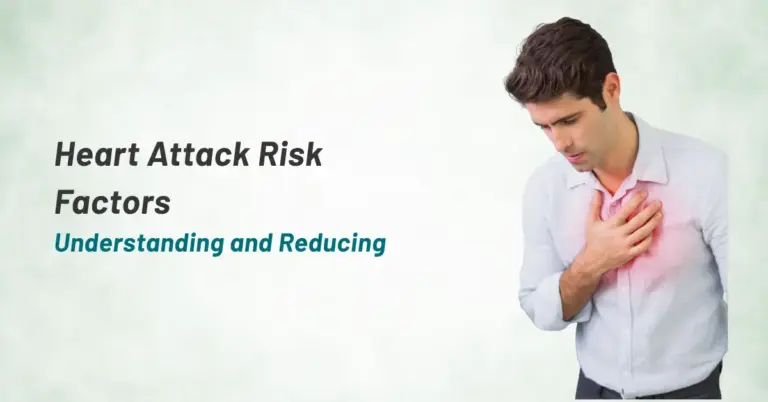
Call for emergency help straight away for chest pain that lasts more than a few minutes, pain spreading to the arm, jaw or back, sudden breathlessness, sweating or fainting. These can be signs of a heart attack, and every minute counts.
Cardiologists in Chennai at Prashanth Hospitals
The heart care team at Prashanth Hospitals includes interventional cardiologists, a heart rhythm specialist, clinical cardiologists and a cardiothoracic surgeon. The qualifications and areas of care for each doctor are given below.
Dr. Chandrasekaran Kolandaisamy
Education: MBBS, MD (General Medicine), DM (Cardiology)
Experience: 20+ years
Areas of care: Cardiac Electrophysiology, Coronary Interventions, Pacemaker and ICD Implantation, Radiofrequency Ablation
About the Doctor:
Dr. Chandrasekaran Kolandaisamy is an interventional cardiologist and electrophysiologist, and a cardiologist in Chennai who treats heart rhythm problems. His work includes ablation to correct abnormal heart rhythms, fitting pacemakers and ICDs (devices that control or correct the heartbeat) and angioplasty for blocked heart arteries.

Dr. Aravind Duruvasal
Education: MBBS, MD (General Medicine), DM (Cardiology)
Experience: 10+ years
Areas of care: Primary and Complex PCI, IVUS, OCT, Left Main and Graft Angioplasty
About the Doctor:
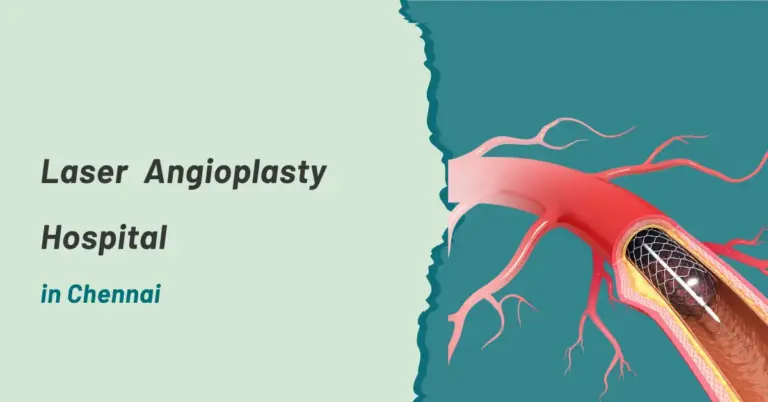
Dr. Aravind Duruvasal is an interventional cardiologist in Chennai who treats blocked heart arteries with angioplasty and stents. He uses imaging inside the arteries (IVUS and OCT) to guide stent placement, and performs angioplasty with little or no contrast dye for selected patients, such as those with kidney problems.

Dr. Liju Antony
Education: MBBS, MD (General Medicine), DM (Cardiology)
Experience: 11 years
Areas of care: Cardiac Catheterisation, Angioplasty, and Pacemaker Implantation
About the Doctor:
Dr. Liju Antony is an interventional cardiologist in Chennai. His work includes cardiac catheterisation (a test that checks the heart arteries using a thin tube and dye), angioplasty to open narrowed arteries and fitting pacemakers for a slow heartbeat.

Dr. Deeyaneswar D
Education: MBBS, MD (General Medicine), DM (Cardiology), DrNB (Cardiology)
Experience: 4+ years
Areas of care: Coronary Interventions, Heart Failure Management, and Cardio-Diabetology
About the Doctor:
Dr. Deeyaneswar D is an interventional cardiologist whose practice includes angioplasty, heart failure care and preventive cardiology. He also manages heart risk in people with diabetes and high cholesterol, where controlling sugar and lipid levels helps protect the heart.

Dr. V. K. Sanjeev
Education: MBBS, MD (Internal Medicine), DNB (Cardiology)
Experience: 12+ years
Areas of care: Angioplasty, Pacemaker Implantation, Device Therapy (CRT & ICD), and Non-invasive Cardiac Imaging
About the Doctor:
Dr. V. K. Sanjeev is a cardiologist in Chennai whose work covers both procedures and heart imaging. He performs angioplasty, including rotablation for hard, calcified blockages, and fits devices such as CRT and ICD for heart failure and rhythm problems. His areas of care also include TAVI, a way of replacing a narrowed aortic valve through a blood vessel without open heart surgery.
Dr. D. Manoj
Education: MBBS, MD (General Medicine), DNB (General Medicine), DM (Cardiology)
Experience: 11+ years
Areas of care: Echocardiography, Pacemaker Insertion, Coronary Interventions, and Clinical Cardiology
About the Doctor:
Dr. D. Manoj is an interventional cardiologist who works in both clinical and procedural cardiology. He performs echocardiography (an ultrasound scan of the heart), coronary interventions and pacemaker insertion, and manages patients with heart attacks and unstable chest pain.
Dr. Koushik Kannan
Education: MBBS, DNB (Cardiothoracic Surgery)
Experience: 11 years
Areas of care: Beating Heart Bypass Surgery, Valve Replacement, and Congenital Cardiac Surgery
About the Doctor:
Dr. Koushik Kannan is a cardiothoracic surgeon who performs heart operations. His work includes bypass surgery on a beating heart without a heart lung machine, heart valve replacement, surgery for heart defects present from birth and repeat heart operations.
Common Heart Conditions Treated by a Cardiologist
| Condition | What It Is | Treatment and Management |
|---|---|---|
| Coronary Artery Disease (CAD) | Narrowing or blockage of the heart arteries, which reduces blood flow to the heart. | Lifestyle changes, medicines, angioplasty or bypass surgery, depending on the blockage. |
| Heart Attack | Blood flow to part of the heart is suddenly blocked, which damages the heart muscle. | Emergency care, medicines, stenting or bypass surgery. Treatment within the first few hours helps limit damage to the heart. |
| Arrhythmia | An irregular heartbeat that may be too fast, too slow or uneven. | Medicines, pacemaker implantation or ablation. |
| Heart Failure | The heart cannot pump enough blood to meet the body’s needs. | Medicines, lifestyle changes, devices such as ICD or CRT, and regular monitoring. |
| Valve Disease | Damaged or narrowed heart valves that affect blood flow. | Medicines, valve repair, valve replacement surgery or TAVI in selected patients. |
| High Blood Pressure | Blood pressure that stays high and puts strain on the heart. | Lifestyle changes, medicines and regular checks. |
| Congenital Heart Defects | Problems in the heart’s structure that are present from birth. | Medicines, catheter procedures or surgery. |
| High Cholesterol | High levels of fat in the blood that raise the risk of heart disease. | Diet, exercise and cholesterol lowering medicines. |
Tests a Cardiologist May Advise
- Blood tests: Cholesterol, sugar and other tests that show heart risk
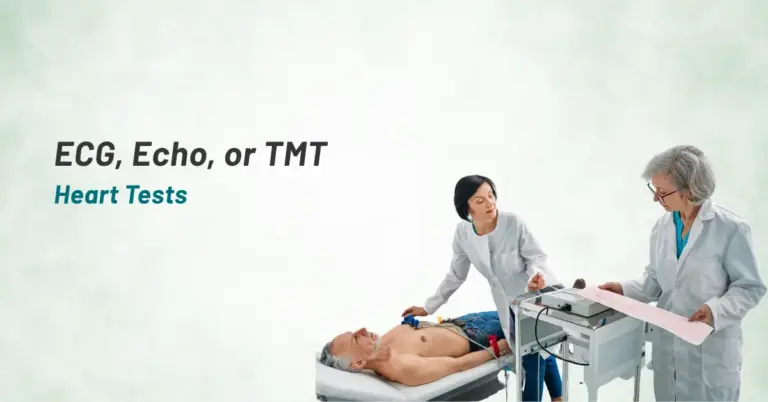
- ECG: Records the heart’s electrical activity to check rhythm and signs of damage
- Echocardiogram: An ultrasound of the heart that shows its pumping and valves
- Treadmill test (TMT): Checks how the heart works during exercise
- Holter monitor: Records the heartbeat over 24 hours or longer to find rhythm problems
- Coronary angiogram: Uses dye and X rays to show blockages in the heart arteries
Conclusion
Many heart problems can be found early and managed well with the right care. Regular checks for blood pressure, cholesterol and sugar, along with prompt attention to warning signs, help protect the heart. Seeing a cardiologist in Chennai is a good step for anyone with symptoms or risk factors. At Prashanth Hospitals, cardiologists and a cardiac surgeon offer tests, procedures and follow up care for a wide range of heart conditions. Services differ by branch, so please confirm before visiting.