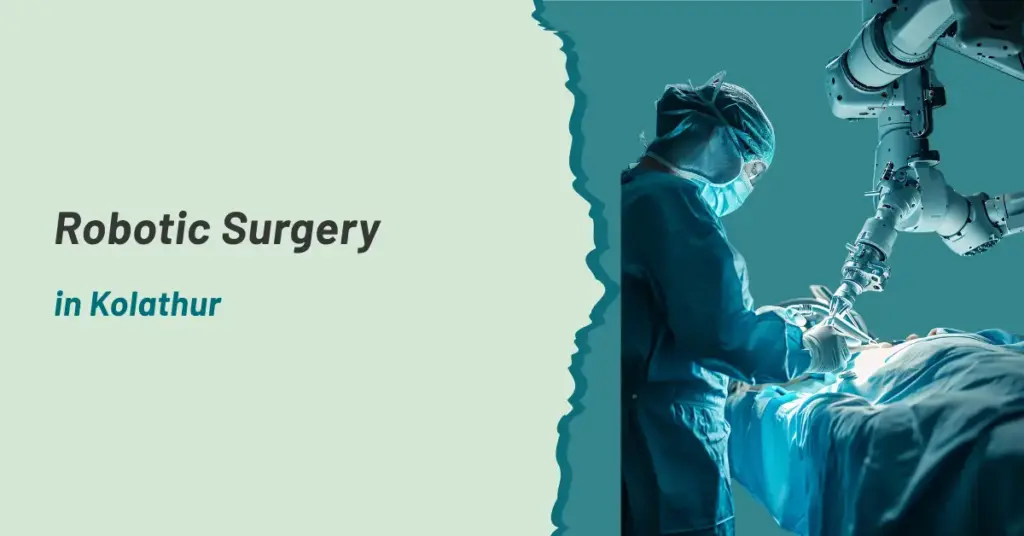
When surgery becomes necessary, patients naturally want the safest and most effective option for their specific condition. The mention of robotic surgery can bring hope, but it can also bring questions: Is it really better? Will recovery be easier? Is it suitable for my condition?
Robotic surgery is an advanced form of minimally invasive surgery in which a trained surgeon controls specialised instruments using a robotic system. The technology can provide a magnified, high-definition 3D view and precise instrument movement, while the surgeon remains in control throughout the operation.
For patients considering robotic surgery in Kolathur, the important thing is not simply choosing the newest technology. It is understanding when robotic surgery can help, who may benefit from it and how the surgical team determines whether it is the right approach.
Robotic Surgery: An Advanced Approach to Modern Treatment
Robotic surgery has become an important part of modern minimally invasive surgery. Instead of making a large incision for certain procedures, surgeons may be able to operate through smaller openings using specialised instruments controlled from a console.
The robotic system can support the surgeon by providing:
- Enhanced visualisation: A magnified, high-definition 3D view can help the surgeon see the surgical area and surrounding structures in greater detail.
- Precise movements: Specialised robotic instruments can provide controlled movements and flexibility that may be particularly useful during delicate procedures.
- Minimally invasive access: Selected operations can be performed through smaller incisions than traditional open surgery.
- Surgeon-controlled technology: The system does not independently perform the operation. The surgeon directs the robotic instruments and makes the clinical decisions.
This distinction matters. Robotic surgery is not a robot replacing the surgeon; it is technology designed to support the surgeon.
What Robotic Surgery Can Offer Patients
The potential value of robotic surgery comes largely from its minimally invasive approach and the control it can provide during selected procedures.
Depending on the operation and the individual patient, potential benefits may include:
| Potential benefit | What it may mean |
|---|---|
| Smaller incisions | Less extensive surgical wounds in appropriately selected procedures |
| Less blood loss | Minimally invasive techniques may reduce blood loss in some operations |
| Reduced postoperative discomfort | Smaller incisions may contribute to less pain after certain procedures |
| Shorter hospital stay | Some patients may be able to leave hospital sooner |
| Faster recovery | Selected patients may return to normal activities earlier |
| Greater precision | Enhanced visualisation and instrument control can assist the surgeon |
These benefits should not be treated as promises. Outcomes vary according to the procedure, the patient’s health, the complexity of the condition and the experience of the surgical team.
The goal is not simply smaller incisions. The goal is appropriate surgery with the best possible balance of safety, effectiveness and recovery.
Conditions That May Benefit From Robotic Surgery
Robotic surgery is not a treatment for one particular disease. It is a surgical approach that can be used for selected procedures across different specialties.
Depending on the hospital and surgical team, robotic procedures may be performed in areas such as:
- Urology: Selected procedures involving the prostate, kidney and urinary system.
- Gynaecology: Procedures such as hysterectomy and myomectomy in appropriate patients.
- General and gastrointestinal surgery: Selected hernia, colorectal, stomach, liver, pancreatic, gallbladder and bariatric procedures.
- Oncology: Certain cancer operations where a minimally invasive robotic approach is appropriate.
- Orthopaedics: Robotic-assisted technology may be used for selected joint replacement procedures, depending on the system and clinical indication.
The availability of a robotic procedure does not mean every patient with that condition needs robotic surgery. The final decision depends on the individual patient’s diagnosis and clinical assessment.
Knowing Whether Robotic Surgery Is Right for You
This is one of the most important parts of the decision.
Robotic surgery is not automatically better simply because it uses advanced technology. For some patients, robotic surgery may be appropriate. For others, conventional minimally invasive surgery, open surgery or even non-surgical treatment may be more suitable.
A surgeon may consider:
- The nature of the condition: Its location, size, severity and complexity can influence the choice of procedure.
- Overall health: Existing medical conditions and fitness for anaesthesia and surgery are important.
- Previous procedures: Earlier surgeries may affect the anatomy and available surgical approaches.
- Expected benefits: The surgeon weighs what robotic assistance could add in that particular operation.
- Available alternatives: Robotic surgery should be compared with other appropriate treatment options.
- Surgical expertise: Experience with the specific procedure and robotic system matters.
This is why a consultation should begin with the patient and the condition, rather than the technology.
Recovery After Robotic and Minimally Invasive Surgery
Many patients associate robotic surgery with a faster recovery. In appropriately selected minimally invasive procedures, smaller incisions may contribute to less postoperative pain, reduced blood loss, shorter hospital stays and earlier recovery compared with some open procedures.
But recovery is individual.
The timeline can depend on the type of operation, the complexity of the condition, the patient’s age and overall health, and how the body responds after surgery.
Patients should have a clear discussion about:
- Hospital stay: How long admission is expected for the specific procedure.
- Pain management: What discomfort is normal and how it will be controlled.
- Daily activities: When walking, driving, work and exercise can usually be resumed.
- Follow-up: When the surgical team will review recovery.
- Warning signs: Which symptoms after discharge require prompt medical attention.
Robotic surgery may make the surgical approach less invasive, but it does not make every recovery identical.
Robotic vs Open or Conventional Surgery: What Changes?
Both approaches can be effective. The difference is mainly in how the surgeon accesses and performs the operation.
| Operation | Open or Conventional Surgery | Robotic Surgery |
|---|---|---|
| Incision | Usually larger | Usually smaller |
| Surgical view | Direct view | Magnified 3D view |
| Instruments | Conventional | Robotic instruments controlled by the surgeon |
| Recovery | Depends on the procedure | May be quicker in selected minimally invasive procedures |
| Scarring & discomfort | May be greater in some procedures involving larger incisions | May be reduced in suitable cases |
Robotic surgery is not automatically better. The appropriate approach depends on the condition, procedure and surgeon’s assessment.
The Surgical Team Matters as Much as the Technology
A sophisticated robotic system is only one part of surgical care.
Appropriate treatment depends on the wider team and the environment supporting the procedure.
- Experienced surgeons: The surgeon needs appropriate expertise in the procedure as well as familiarity with robotic technology.
- Anaesthesia support: Patients require careful assessment and monitoring before, during and after surgery.
- Operating-room preparedness: Robotic procedures require trained personnel and appropriate infrastructure.
- Multispecialty support: Complex patients may benefit from access to other medical specialists when necessary.
- Postoperative care: Monitoring, pain management, mobilisation and follow-up all remain important after the operation.
The technology provides the tools. The clinical team provides the judgement, skill and care.
Choosing Robotic Surgery in Kolathur With Confidence
If you are searching for robotic surgery in Kolathur, look beyond the presence of a robotic system.
Consider the complete healthcare pathway:
| What to consider | Why it matters |
|---|---|
| Procedure-specific expertise | Experience with the surgery you actually need is more meaningful than simply having robotic technology. |
| Surgical infrastructure | Robotic surgery needs appropriate operating-room, anaesthesia and monitoring support. |
| Specialist availability | Complex conditions may require multidisciplinary medical expertise. |
| Preoperative evaluation | Proper assessment helps determine whether robotic surgery is appropriate. |
| Postoperative care | Recovery and follow-up are part of the treatment, not an afterthought. |
| Clear communication | Patients should understand the procedure, alternatives, risks and expected recovery. |
For a patient and family, these factors can provide something more valuable than technology alone: confidence in the overall care journey.
Robotic Surgery at Prashanth Super Specialty Hospitals, Kolathur
For families looking for robotic surgery in Kolathur, Prashanth Super Specialty Hospitals, Kolathur, currently lists robotic surgery among the services available at the facility. Its Kolathur information specifically mentions robotic surgery, including advanced orthopaedic and urology procedures.
Prashanth Hospitals also has a wider robotic surgery programme covering selected procedures across gastroenterology, gynaecology, urology and oncology. The hospital describes the use of robotic technology designed to support surgical precision and minimally invasive treatment.
For patients, however, the important question remains whether the technology is appropriate for their particular condition.
A specialist consultation can help determine whether robotic surgery is suitable, what alternatives are available and what the expected recovery may look like.
Advanced Technology, Guided by Experienced Hands
When surgery is recommended, it is natural to want access to the most advanced treatment available. Robotic surgery can offer meaningful advantages in appropriately selected procedures, particularly through enhanced visualisation, precise instrument control and minimally invasive access.
But the strongest surgical care is never about technology alone.
It is about bringing together the right patient assessment, the right procedure, the right surgeon, the right supporting team and the right recovery plan.
For patients in Kolathur, Prashanth Hospitals combines robotic surgery services with a broader multispecialty healthcare setting. Its Kolathur facility currently offers robotic surgery including advanced orthopaedic and urology procedures, while the wider Prashanth robotic programme extends across several surgical specialties.
Because advanced technology matters most when it is placed in experienced hands and used for the right patient.