When someone in the family is told they have a neurological condition, the first feeling is often confusion. The brain and nervous system feel complex and unfamiliar. The medical terms are hard to follow. And the fear of the unknown can make everything feel more overwhelming than it needs to be.
This guide is written for patients and families who want clear, honest answers. What is a neurological disorder? What conditions fall under this category? What should parents watch for in their children? And what does neurological disorders treatment actually involve today?
The nervous system controls nearly everything your body does, from moving your fingers to forming a memory to keeping your heart beating in rhythm. When any part of this system is affected by disease, injury, or abnormal development, the resulting condition is called a neurological disorder.
Neurological disorders are far more common than most people realise. Stroke, epilepsy, migraine, Parkinson’s disease, and dementia together affect tens of millions of people in India. Many of these conditions are treatable, and some are preventable. Getting the right diagnosis early makes a significant difference to outcomes.
What is a Neurological Disorder?
Your nervous system has two main parts. The central nervous system includes the brain and spinal cord. The peripheral nervous system includes all the nerves that branch out from the spinal cord and travel to the rest of the body, reaching your muscles, skin, and organs.
A neurological disorder is any condition that affects the structure or function of any part of this system. The brain, spinal cord, or peripheral nerves can each be involved, sometimes separately and sometimes together.
Neurological disorders range widely in their nature and severity. Some are present from birth. Some develop gradually over years. Others come on suddenly, like a stroke, and require emergency treatment within minutes. Some are primarily managed with medication. Others may need surgery, rehabilitation, or a combination of approaches.
What they share is that they all involve the nervous system in some way, and all of them benefit from specialist evaluation and care.
Common Types of Neurological Disorders
There are hundreds of recognised neurological conditions. The following are among the most commonly seen in India.
- Stroke occurs when blood supply to part of the brain is cut off, either by a blocked artery or a burst blood vessel. Brain cells begin to die within minutes without oxygen. Stroke is a medical emergency. The faster treatment begins, the more function can be saved.
- Epilepsy is a condition where the brain’s electrical activity becomes disrupted, causing recurring seizures. Seizures can look very different from person to person. Some involve convulsions and loss of consciousness. Others are brief episodes of staring or confusion. Epilepsy is one of the most common neurological disorders worldwide and is manageable in most patients with medication or, in some cases, surgery.
- Migraine is more than a bad headache. It is a neurological condition involving changes in brain activity that cause intense, often one-sided head pain, sensitivity to light and sound, and sometimes visual disturbances called aura. Migraine significantly affects quality of life and is more common in women than men.
- Parkinson’s disease affects the part of the brain that controls movement. It develops gradually, causing tremors, stiffness, slowed movement, and balance problems. It is most common in adults over 60, though it can occur earlier. There is no cure, but treatments including medication and Deep Brain Stimulation can significantly improve symptoms and quality of life.
- Dementia is not a single disease but a group of conditions that cause progressive decline in memory, thinking, and the ability to manage daily tasks. Alzheimer’s disease is the most common type. Dementia is not a normal part of ageing, though age is the biggest risk factor.
- Multiple sclerosis (MS) is a condition where the immune system attacks the protective covering around nerve fibres in the brain and spinal cord. This disrupts the signals the brain sends to the rest of the body. MS is more common in younger adults and can cause symptoms including fatigue, vision problems, numbness, and weakness.
- Peripheral neuropathy refers to damage to the nerves outside the brain and spinal cord. It commonly causes numbness, tingling, burning, or weakness in the hands and feet. Diabetes is one of the most common causes in India.
- Vertigo and balance disorders arise from problems in the inner ear, cerebellum, or brainstem. They cause a sensation of spinning or unsteadiness that can range from mildly inconvenient to severely disabling.
- Brain tumours can be benign or malignant and affect brain function depending on their size and location. Symptoms depend on which part of the brain is affected.
- Guillain-Barre syndrome is a rare condition where the immune system attacks the peripheral nerves, causing weakness that can progress rapidly. It requires prompt medical attention.
Childhood Neurological Disorders: What Parents Should Know
Children are not immune to neurological conditions. In fact, some of the most important neurological disorders begin in childhood, and recognising them early makes a significant difference to a child’s development and long-term outcomes.
Parents often notice that something is not quite right before a formal diagnosis is made. Trusting that instinct and seeking a specialist opinion promptly is always the right decision.
Epilepsy in children is the most common serious neurological condition in childhood. Seizures in children can look very different from seizures in adults. Some children stare blankly for a few seconds. Others have sudden falls, repetitive movements, or brief episodes of confusion. Any child who has a seizure for the first time should be evaluated by a neurologist.
Febrile seizures occur in young children between six months and five years of age when a high fever causes a seizure. They are frightening to witness but are usually brief and do not cause lasting harm in most cases. However, any child who has a febrile seizure should be assessed by a doctor to rule out other causes and to guide the family on what to do if it happens again.
Cerebral palsy is a group of conditions that affect movement and posture, caused by damage to the developing brain before, during, or shortly after birth. Children with cerebral palsy may have difficulty with movement, muscle tone, coordination, and in some cases speech and learning. Early intervention with physiotherapy, occupational therapy, and speech therapy significantly improves function.
Childhood migraine is more common than many parents realise. Children with migraine often experience shorter attacks than adults, and the pain may be on both sides of the head rather than one. Abdominal pain, nausea, and sensitivity to light are common in children with migraine. Many children are told they are faking or being dramatic. They are not.
Attention deficit hyperactivity disorder (ADHD) has a significant neurological component. It involves differences in brain development and function that affect attention, impulse control, and activity levels. It is not a behavioural problem caused by poor parenting. Accurate diagnosis and appropriate support, including behavioural strategies and sometimes medication, make a meaningful difference.
Hydrocephalus is a condition where fluid builds up inside the brain, increasing pressure. It can occur in newborns or develop later in childhood. Symptoms include a rapidly growing head circumference in infants, vomiting, irritability, and developmental delays. It requires specialist management.
Meningitis is an inflammation of the membranes surrounding the brain and spinal cord, usually caused by infection. In children, bacterial meningitis in particular is a medical emergency. Symptoms include high fever, severe headache, stiff neck, sensitivity to light, vomiting, and a non-blanching rash in some cases. If meningitis is suspected in a child, emergency care is needed immediately.
Warning signs in children that parents should not ignore:
- A first seizure of any kind
- Developmental regression, where a child loses skills they previously had
- Persistent severe headaches, especially if they wake the child from sleep
- New weakness in an arm or leg
- Problems with balance, coordination, or walking that are getting worse
- Changes in vision, speech, or hearing
- Significant changes in behaviour or school performance without explanation
- Head circumference growing unusually fast in infants
If any of these are present, a consultation with a paediatric neurologist is the right next step. Early assessment means earlier support and better outcomes.
Warning Signs in Adults That Need Medical Attention
Neurological symptoms in adults also need prompt evaluation, especially when they come on suddenly or are getting progressively worse.
Seek emergency care immediately if you notice:
- Sudden numbness or weakness on one side of the face, arm, or leg
- Sudden difficulty speaking, understanding speech, or finding words
- Sudden severe headache that feels like the worst headache of your life
- Sudden vision loss or double vision
- Loss of balance or sudden inability to walk
- Confusion or sudden change in consciousness
These are warning signs of stroke. Use the FAST check: Face drooping, Arm weakness, Speech difficulty, Time to call emergency services. Every minute without treatment during a stroke, approximately 1.9 million brain cells are lost. Do not wait.
Other symptoms that warrant a scheduled neurologist appointment include:
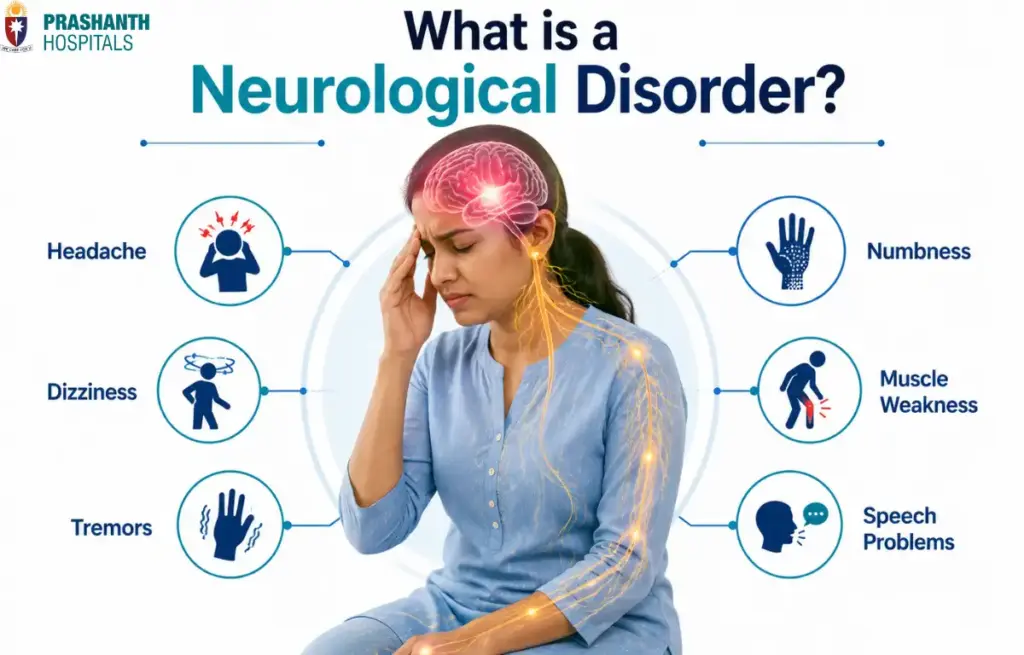
- Recurring headaches that are changing in pattern or getting worse
- Tremors or involuntary movements
- Memory problems that are affecting daily life
- Numbness or tingling in the hands or feet
- Dizziness or vertigo that keeps coming back
- Seizures of any kind
- Weakness or coordination problems that are gradually worsening
How are Neurological Disorders Diagnosed?
Diagnosis begins with a detailed neurological examination. Your neurologist will test your reflexes, coordination, balance, strength, sensation, and cognitive function. This gives a significant amount of information before any scan or test is ordered.
Depending on what the examination reveals, further investigations may include:
- MRI and CT scans provide detailed images of the brain and spinal cord. MRI is particularly useful for identifying soft tissue changes, tumours, MS lesions, and stroke damage. CT scans are faster and useful in emergencies.
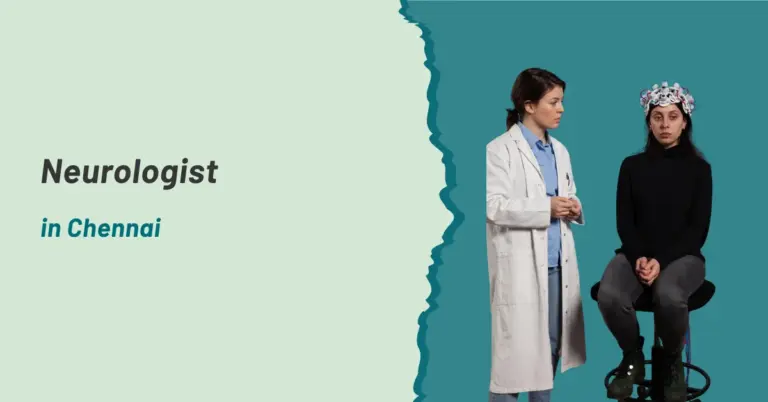
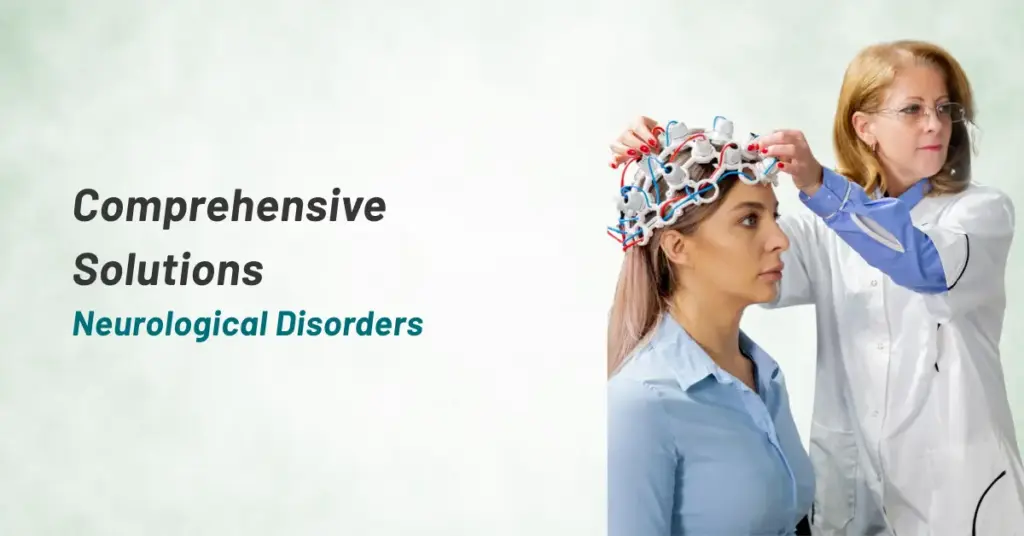
- Electroencephalography (EEG) records the brain’s electrical activity through sensors placed on the scalp. It is the primary diagnostic tool for epilepsy and seizure disorders. It is completely painless and non-invasive.
- Nerve Conduction Studies (NCS) measure how quickly and effectively electrical signals travel through the peripheral nerves. They are used to diagnose peripheral neuropathy, carpal tunnel syndrome, Guillain-Barre syndrome, and similar conditions. A related test called an electromyogram (EMG) assesses the electrical activity of muscles.
- Lumbar puncture involves taking a small sample of the fluid surrounding the brain and spinal cord for laboratory analysis. It is used to diagnose meningitis, certain types of MS, and other conditions affecting the nervous system.
Blood tests help rule out metabolic causes of neurological symptoms, including thyroid disorders, vitamin deficiencies, infections, and autoimmune conditions.
Neurological Disorders Treatment: What Options Are Available?
Neurological disorders treatment has advanced considerably in recent years. Many conditions that were once managed only with medication now have surgical, interventional, or rehabilitation-based options that significantly improve outcomes and quality of life.
- Medications remain the foundation of treatment for many conditions. Anti-epileptic drugs control seizures in the majority of people with epilepsy. Parkinson’s medications replace or mimic dopamine to improve movement. Migraine preventives reduce the frequency and severity of attacks. Immunotherapy is used for MS, Guillain-Barre syndrome, and other immune-related neurological conditions.
- Minimally invasive neurosurgery uses keyhole techniques and advanced imaging guidance to treat brain and spine conditions with smaller incisions, less blood loss, and faster recovery compared to traditional open surgery. Many patients who previously required lengthy hospitalisation can now return home much sooner.
- Deep Brain Stimulation (DBS) is a surgical procedure where small electrodes are implanted in specific areas of the brain to regulate abnormal electrical signals. It is used for Parkinson’s disease, essential tremor, and generalised dystonia. It does not cure these conditions, but it can dramatically reduce symptoms and improve daily function.
- Cerebrovascular procedures treat conditions affecting the blood vessels of the brain. These include surgical clipping or endovascular coiling for brain aneurysms, treatment of arteriovenous malformations (AVMs), and interventional procedures for stroke including thrombolysis (medication to dissolve a clot) and mechanical thrombectomy (physically removing a clot from a blocked artery).
- Epilepsy surgery is an option for people with refractory epilepsy, meaning seizures that cannot be adequately controlled with medication. When the area of the brain causing seizures can be identified and safely removed, surgery can significantly reduce or even eliminate seizures in carefully selected patients.
- Skull base surgery addresses complex conditions involving the base of the skull, including pituitary tumours and other difficult-to-reach lesions. Advances in endoscopic techniques mean many of these procedures can now be performed through the nose without any external incision.
- Neuro-rehabilitation is an essential and sometimes undervalued part of neurological disorders treatment. After a stroke, brain injury, or neurosurgical procedure, the brain has a remarkable capacity to adapt and reorganise. Rehabilitation works with this capacity. Physiotherapy restores movement and strength. Speech and language therapy addresses communication and swallowing difficulties. Occupational therapy helps people regain the ability to manage daily tasks independently. Cognitive rehabilitation supports memory and thinking. The earlier rehabilitation begins, the better the outcomes tend to be.
Neurological Care at Prashanth Hospitals, Chennai
At Prashanth Hospitals, our Neurology and Neurosurgery department brings together neurologists, neurosurgeons, intensivists, and rehabilitation specialists working as a coordinated team. We believe that the best outcomes in neurological care come from specialists who communicate closely with each other and with the patient and family throughout the treatment journey.
Our services cover the full spectrum of neurological disorders treatment, from outpatient clinic consultations for headache and memory concerns to complex neurosurgical procedures and post-operative rehabilitation. We offer 24 hours a day, seven days a week stroke and trauma services, because neurological emergencies do not keep office hours.
Our focused clinics include a dedicated Headache Clinic for migraine and chronic headache management, an Epilepsy programme including surgical assessment for refractory cases, a Movement Disorders Clinic for Parkinson’s disease, tremor, and dystonia, and a Vertigo, Parkinson’s, and Dementia Clinic for accurate diagnosis and tailored management.
For children with neurological concerns, our team works alongside our Paediatrics and Neonatology department to ensure age-appropriate assessment and family-centred care.
If you or your child has symptoms that concern you, or if you have already received a neurological diagnosis and want specialist input on management, our team at Prashanth Hospitals is here to help. Book a consultation with our Neurology and Neurosurgery department today.