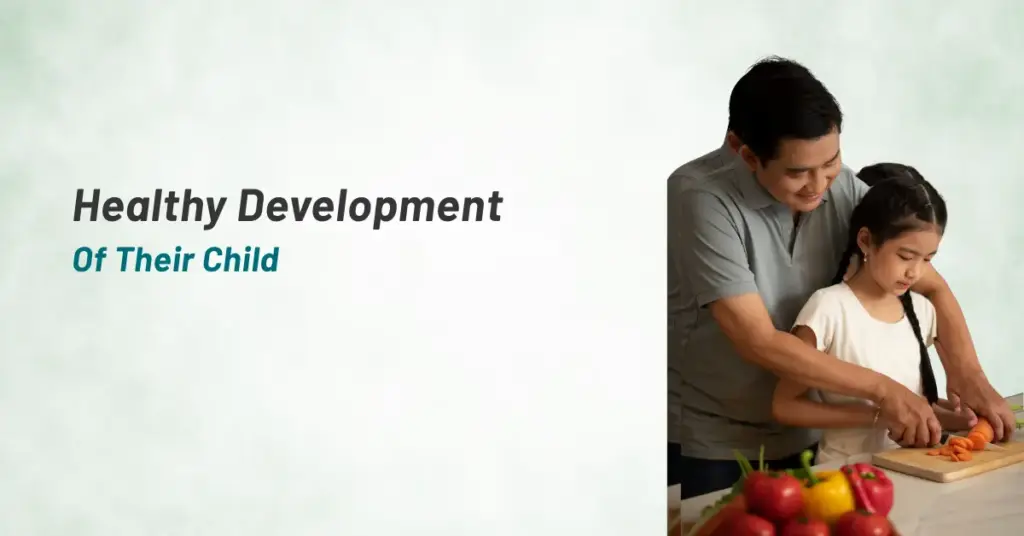
Raising children is one of the most challenging and rewarding jobs in the world. While there is no formal education on parenting, early childhood forms the foundation for healthy childhood development. A child’s physical, mental, social, and emotional growth depends heavily on the care and nurturing they receive during these critical years, highlighting the essential role of parents in child development from the very beginning.
Healthy development is built on trust, attachment, and consistent care. When children’s physical and emotional needs are met, they thrive, growing into well-rounded teenagers and adults. This guide explores simple ways parents can foster healthy growth in their children while balancing life’s demands.
What is Healthy Development?
Healthy development refers to the physical, cognitive, emotional, and social growth of a child. From infancy through adolescence, children require care, attention, and opportunities to learn and explore. Parents play a vital part in shaping strong foundations, reinforcing the ongoing role of parents in child development through everyday guidance and support by:
- Meeting physical needs like food, shelter, and clothing.
- Supporting emotional needs through love, understanding, and encouragement.
- Providing a safe and stimulating environment for growth.
Children who experience healthy infant development and positive parenting are more likely to build strong relationships and succeed academically and socially.
Take Play Seriously
Play is a crucial element of childhood and directly supports child growth and development. Through imaginative and active play, children learn:
- Social skills like sharing, taking turns, and compromising.
- Creativity by imagining new worlds or roles.
- Problem-solving skills by overcoming challenges in play scenarios.
- Language development through verbal expression and interaction.
Including puzzles, storytelling, memory games, and other child brain development activities at home can further strengthen thinking skills and concentration. Whether it’s make-believe games or outdoor activities, play fosters holistic growth and encourages healthy development.
Simple Parenting Tips for Healthy Growth and Development
- Show Love and Affection
- Hug, spend time together, and actively listen to your child’s concerns.
- A loving environment fosters a sense of security and promotes healthy childhood development.
- Meet Emotional Needs
- Encourage your child to express emotions and validate their feelings.
- Help them navigate emotions like fear, anger, and anxiety in constructive ways.
- Celebrate Uniqueness
- Focus on your child’s strengths and interests rather than comparisons with others.
- Set realistic goals that align with their abilities and celebrate achievements. Your involvement strongly influences the role of parents in child personality development, shaping confidence, resilience, and self-esteem.
- Practice Positive Discipline
- Use discipline as a teaching tool, not as punishment.
- Be fair, consistent, and constructive when setting boundaries.
- Encourage Learning and Exploration
- Provide opportunities for early learning and exposure to new experiences.
- Create safe spaces for children to play, explore, and learn.
The Importance of Quality Time
Life is busy, and parents often worry about not spending enough time with their children. However, what truly matters is the quality of time spent together. Even small, meaningful moments—like reading a bedtime story, sharing a meal, or talking about their day—can strengthen your bond and reflect the positive role of parents in child development through consistent presence and communication.
Parents are their child’s first role models. By demonstrating kindness, patience, and a love for learning, you encourage your child to adopt positive behaviors that last a lifetime.
Promoting Healthy Growth Through Nurturing Environments
A child’s growth depends on more than just physical care. The following factors contribute significantly to healthy growth and development:
- Nutrition: A balanced diet ensures children are well-nourished and energetic.
- Immunizations: Vaccinations protect against preventable diseases.
- Safe Spaces: Clean air, water, and sanitation promote overall well-being.
- Access to Healthcare: Regular check-ups and timely medical attention are crucial.
Exclusive breastfeeding, especially in the early months, plays a vital role in healthy infant development. Parents should also ensure their children have safe play areas and access to educational opportunities.
What Should Parents Do?
Here are some actionable steps for parents to support their child’s development:
- Be Present: Dedicate undistracted time to connect with your child.
- Encourage Open Communication: Create an environment where your child feels safe sharing thoughts and feelings.
- Foster Independence: Allow your child to make decisions and learn from mistakes.
- Stay Positive: Praise positive behaviors and achievements to build self-esteem.
- Balance Discipline and Flexibility: Set boundaries but remain adaptable to their needs.
These everyday actions once again highlight the significant role of parents in child development, as consistent guidance shapes lifelong habits and values.
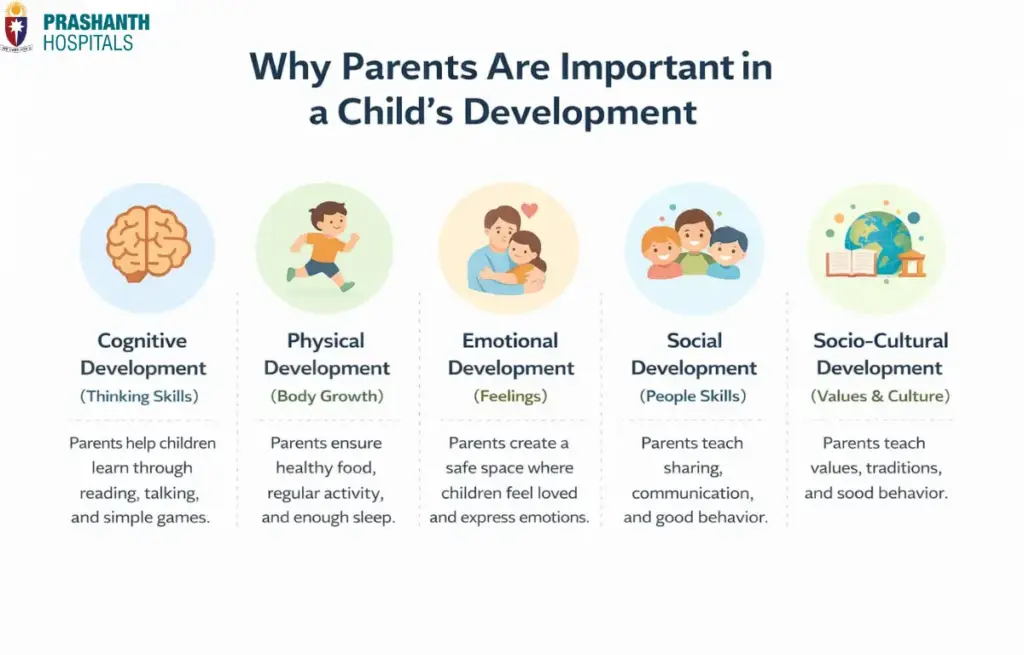
Simple Ways to Support Your Child Every Day
Supporting your child’s healthy development doesn’t always require big efforts — consistent small actions can make a meaningful difference. Establishing simple daily routines creates a sense of security and nurtures overall child growth and development, supporting progress in physical, emotional, and social areas.
Start with consistent daily family time. Even 15–20 minutes of focused one-on-one interaction can improve communication and build trust. During this time, let your child lead the activity — reading a book, drawing, or playing a game — to encourage their interests and creativity. Mealtime routines, like eating together, also reinforce healthy habits and provide a natural opportunity for meaningful conversation. These everyday interactions highlight the important role of parents in child development, as children learn values, communication skills, and emotional security from consistent parental involvement.
Encouraging regular physical activity is another simple way to support your child’s development. Outdoor play strengthens muscles and coordination. It also releases energy and boosts mood. Including simple child brain development activities such as puzzles, storytelling, memory games, or creative play further enhances cognitive skills and concentration. Similarly, ensuring regular sleep routines helps regulate mood, memory, and attention, which are essential for learning and behaviour.
Healthy eating habits begin at home. Involve your child in age-appropriate tasks like choosing fruits or washing vegetables. This encourages curiosity about food and can reduce picky eating. Praise good choices and avoid using snacks as rewards, which helps establish a balanced relationship with food.
Lastly, be present and listen actively. Let your child express feelings without interrupting. Acknowledging emotions fosters confidence and emotional resilience. This daily guidance plays a crucial role of parents in child personality development, shaping self-esteem, empathy, and social confidence. Simple daily support builds a nurturing foundation that helps children thrive physically, mentally, and socially.
Building Emotional Intelligence at Home
Emotional intelligence (EI) is a key aspect of your child’s healthy development. It helps children identify their feelings, understand others’ emotions, and manage reactions — skills that benefit them throughout life. You can actively build emotional intelligence at home with intentional but simple strategies.
One effective approach is emotion naming. When your child experiences big feelings — like frustration, excitement, or sadness — help them put words to those emotions. Saying things like, “I see you’re feeling upset because your toy broke,” teaches emotional vocabulary. As children learn to name their feelings, they gain the ability to understand and communicate emotions more clearly. Model emotions in healthy ways. Children learn a great deal by watching adults. Let them see how you cope with stress or disappointment with calm breathing, asking for support, or problem-solving. When children witness these behaviours, they learn that emotions are manageable and normal.
Practice empathy at home. When your child shares something — even small frustrations — listen without judgement. Asking questions like, “How did that make you feel?” shows that their feelings matter. This reinforces self-awareness and teaches them to consider others’ perspectives as well. Encourage cooperative play with peers and siblings. Games that involve sharing, turn-taking, and teamwork build social skills like patience, compromise, and compassion. Celebrate positive interactions and gently guide corrections when conflicts arise.
By embedding emotion awareness into everyday life, you equip your child with tools that strengthen relationships, enhance communication, and support overall emotional well-being.
Embrace Imperfect Parenting
Parenting is not about perfection. It’s about being present, learning, and adapting as your child grows. By fostering healthy childhood development, you provide a strong foundation for their future. Remember, every small effort you make today contributes to a lifetime of well-being and success for your child.