The H3N2 virus, a subtype of Influenza A, has gained global attention due to its rapid spread and significant health impact. Many people searching online want to understand what is H3N2 and why it is spreading so widely. This virus is responsible for seasonal flu outbreaks and is known for its high transmission rate and severe symptoms, particularly in vulnerable populations. In this article, we’ll discuss the H3N2 flu, its symptoms, treatment options, and preventive measures, including common H3N2 symptoms to watch for.
What Does H3N2 Stand For? Understanding the Virus Name
If you’re hearing the term H3N2 and feeling confused, you’re not alone. Many patients ask about the H3N2 full form and what these letters and numbers actually mean. Let’s explain this simply.
Breaking Down the Name H3N2
H3N2 is a type of influenza A virus. The H3N2 full form helps doctors understand how the virus behaves and spreads.
- H stands for Hemagglutinin
This is a protein on the virus surface.
It helps the virus attach to cells in your nose and throat. - 3 refers to the specific type of Hemagglutinin
There are many H types. This virus has type 3. - N stands for Neuraminidase
This protein helps the virus spread from one cell to another. - 2 refers to the Neuraminidase type
Again, one of several known types.
Together, H3N2 describes the virus structure.
It does not mean severity on its own.
Why This Matters to Patients
Different flu strains can behave differently.
- Some spread faster
- Some cause more intense symptoms
- Some affect children or older adults more
Knowing the virus type helps doctors:
- Track outbreaks
- Guide treatment decisions
- Plan vaccination strategies
If you’re worried after hearing “H3N2,” remember—most flu infections are manageable with timely care.
Symptoms of H3N2 Influenza
Individuals infected with the H3N2 virus may experience flu-like illness. These H3N2 flu virus symptoms can vary in intensity but often include:
- High fever
- Body aches
- Sore throat
- Headaches
- Sneezing
- Coughing
- Runny nose
- Chills
- Fatigue
- Nausea and vomiting
- Diarrhea (common in children)
- Muscle weakness
These H3N2 symptoms may appear suddenly and worsen over the first few days.
In severe cases, H3N2 symptoms can lead to pneumonia, posing a significant risk to young children, the elderly, and those with weakened immune systems.
How Does H3N2 Spread?
The H3N2 virus spreads through droplets released when an infected person coughs, sneezes, or speaks. It can also be transmitted through direct contact with infected individuals or indirect contact with contaminated surfaces.
Practicing good hygiene and avoiding close contact with sick individuals are key to reducing transmission and limiting the spread of H3N2 flu virus symptoms within families and communities.
Diagnosis of H3N2 Virus
Distinguishing H3N2 influenza from other respiratory illnesses requires laboratory tests. This is especially important when H3N2 symptoms appear severe or persist longer than expected. Common diagnostic methods include:
- RT-PCR Testing: Identifies the presence of the H3N2 virus in respiratory samples.
- Viral Culture: Detects the virus by growing it in a laboratory.
- Antibody Tests: Measures the immune response to the virus.
How Long Does H3N2 Flu Last?
Symptoms of the H3N2 flu typically last about 5 to 7 days. While fever subsides within 3 days, a persistent cough may continue for weeks. Recovery can be accelerated with rest, hydration, and appropriate medications, especially when H3N2 symptoms are managed early.
Treatment for H3N2
The treatment for H3N2 involves symptom management and preventive care:
- Rest and hydration.
- Over-the-counter medications to reduce fever and relieve cough.
- Avoid taking antibiotics on your own without a doctor’s prescription, as misuse can lead to antibiotic resistance.
- Antiviral medications may be recommended for severe cases or high-risk individuals.
The Indian Medical Association emphasizes avoiding panic and advises against self-medication.
Preventing H3N2 Infection
Prevention is key to reducing the spread of H3N2 influenza. Here’s how you can protect yourself and your loved ones:
- Vaccination: Annual flu shots are the most effective preventive measure.
- Hand Hygiene: Wash hands frequently and use hand sanitizers.
- Mask Usage: Wear masks in crowded or public places.
- Social Distancing: Avoid close contact with infected individuals.
- Healthy Lifestyle: Eat a balanced diet to boost immunity.
- Home Isolation: Stay home if you develop H3N2 symptoms
Parents should avoid sending symptomatic children to school to minimize community transmission.
H3N2 in Children: What Parents Should Watch For
Kids don’t always get H3N2 the same way adults do, and their symptoms can look a little different or come on faster.
Along with fever, cough, and body aches, children with H3N2 often show more stomach related symptoms than adults, especially diarrhea and vomiting. A young child may not be able to explain how they’re feeling, so parents usually notice it first through fussiness, refusing food, unusual tiredness, or crying more than normal.
A few things are worth watching closely in kids specifically.
Fever that stays high for more than 2 to 3 days despite paracetamol, or a fever that comes back after seeming to go down. Breathing that looks fast, heavy, or effortful, especially noticeable in babies and toddlers. A child who becomes unusually quiet, sleepy, or hard to wake up, this is different from normal tiredness. Not drinking fluids or refusing to feed, since dehydration in young children can happen quickly. Any bluish tinge around the lips or fingertips, which needs emergency care right away.
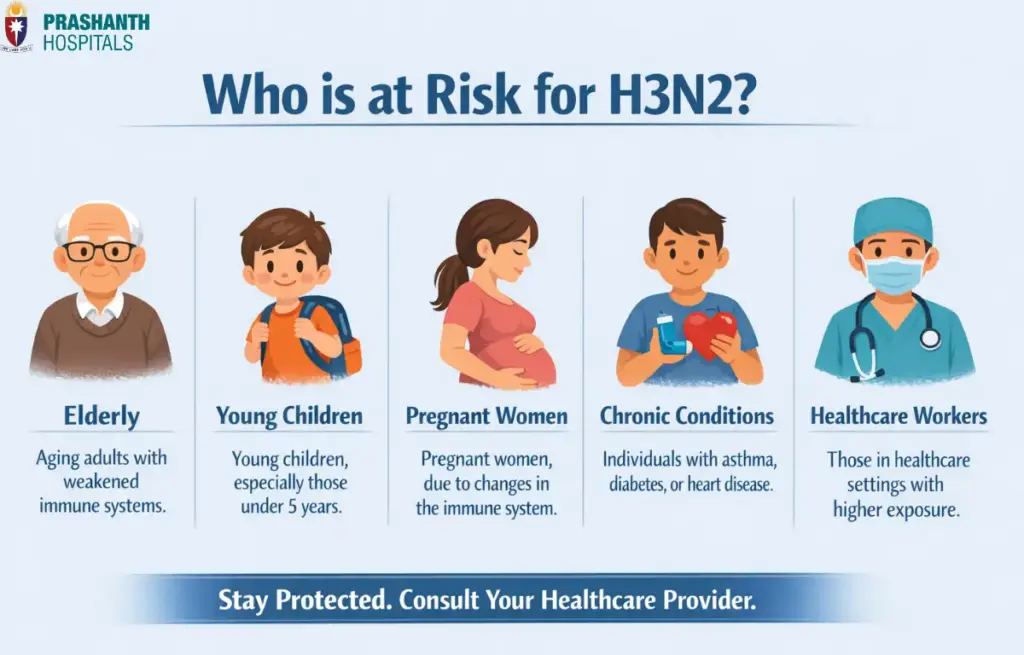
Children under 5, and especially infants, are at higher risk of complications like pneumonia compared to older kids and healthy adults. If your child has an existing condition like asthma or a heart issue, even mild seeming symptoms are worth a call to your pediatrician rather than waiting it out.
At home, the basics still matter most, plenty of fluids, rest, and fever management as advised by your doctor. Avoid giving any adult medication or leftover prescriptions from a previous illness, since dosing for children is different and mistakes here can cause more harm than the flu itself.
If your child’s school or daycare has an active flu outbreak, it’s worth keeping them home even before symptoms show, since kids are often contagious a day or so before they start feeling unwell themselves.
Timeline of H3N2 Infection: From First Symptoms to Recovery
Many people ask, “How long will this last?”
Understanding the typical timeline can ease anxiety and help you know when to seek care, especially if you’re trying to understand what is H3N2 and how it affects the body.
Day 1–2: Early Symptoms Begin
This is when symptoms usually start suddenly.
Common signs include:
- Fever or chills
- Body aches
- Headache
- Sore throat
- Dry cough
- Extreme tiredness
These early h3n2 symptoms can feel intense and appear quickly.
You may feel “hit by a truck.”
This is common with flu infections.
What helps:
- Rest
- Fluids
- Paracetamol for fever (as advised by a doctor)
Day 3–4: Symptoms Peak
This is often the hardest phase.
- Fever may remain high
- Cough can worsen
- Body pain and weakness continue
- Appetite is low
This stage often causes concern, especially in:
- Children
- Elderly adults
- People with diabetes, asthma, or heart conditions
Important:
If fever is not settling, breathing feels difficult, or weakness is severe, consult a doctor promptly.
Day 5–7: Gradual Improvement
For many patients, symptoms slowly begin to ease.
- Fever reduces
- Body pain improves
- Energy starts to return
However:
- Cough may persist
- Tiredness can linger
This often causes worry, but it is part of normal recovery from h3n2 flu virus symptoms.
Day 8–14: Recovery Phase
Most people recover fully within 1–2 weeks.
- Cough may take longer to settle
- Mild fatigue can continue
Children and healthy adults usually bounce back faster.
Older adults may need more rest time.
When to recheck:
- Symptoms worsen again
- Fever returns
- Breathing issues appear
When to Be Extra Careful
H3N2 can sometimes lead to complications, especially in high-risk groups.
Watch closely if the patient is:
- Below 5 years
- Above 60 years
- Pregnant
- Living with chronic illness
Early medical advice can prevent complications.
Comprehensive Pediatric Care for H3N2 Flu
For parents concerned about their child’s health during the flu season, Prashanth Hospital offers a Pediatrics Health Check-up Package in Chennai. Our expert pediatric specialists, provide comprehensive care and guidance for managing and preventing H3N2 infections.
Conclusion: Stay Informed and Protected
Understanding the symptoms of H3N2, its transmission, and prevention can significantly reduce the risk of infection. Early diagnosis and appropriate treatment ensure better outcomes and faster recovery. Stay vigilant, prioritize hygiene, and consult medical professionals for timely care.