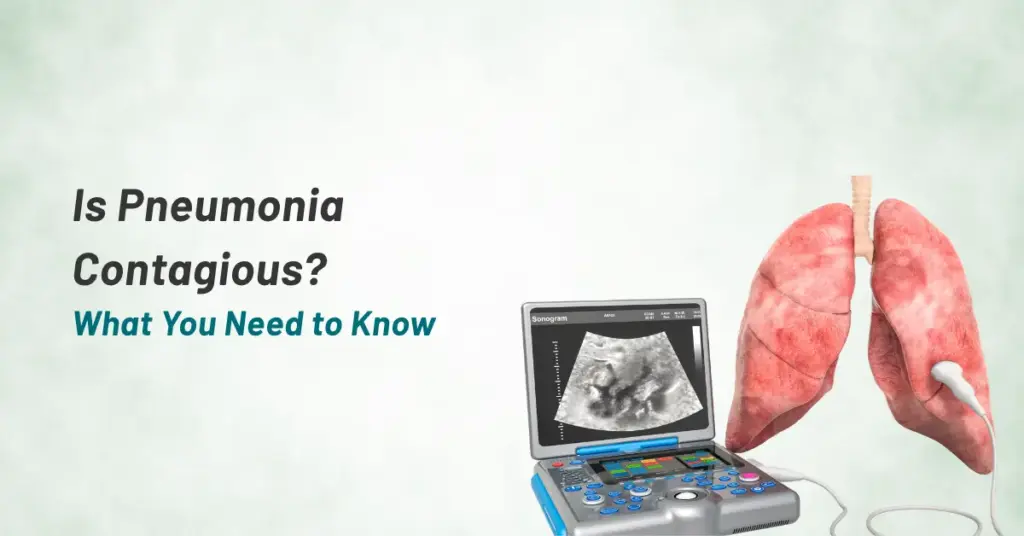
If someone close to you has just been diagnosed with pneumonia, the first thing you probably want to know is whether you could catch it too. That is a completely reasonable concern, and the answer shapes everything about how you protect yourself and the people around you.
Pneumonia is a lung infection caused by bacteria, viruses, or fungi, and whether it spreads depends entirely on which type it is. Knowing that difference is not just medical trivia. It is practical information that tells you when to wear a mask, when to keep distance, and when you can safely stop worrying. This guide walks you through how pneumonia spreads, who is most at risk, and what actually works to protect yourself and your family.
Is Pneumonia Contagious?
This is one of the first questions people ask when a friend, child, or family member gets diagnosed. And it is a very fair thing to wonder about.
The honest answer is that it depends on what type of pneumonia the person has.
Bacterial pneumonia and viral pneumonia can both spread from one person to another. When someone who is infected coughs, sneezes, or even speaks, tiny droplets carrying the germs float into the air. If you are nearby and breathe those droplets in, there is a chance you could get infected. You can also pick up the germs by touching a surface the sick person has touched and then touching your eyes, nose, or mouth.
Fungal pneumonia works differently. It is not contagious at all. It happens when a person breathes in fungal spores from the environment, such as from soil or bird droppings. You cannot catch it from another person.
There is also something called walking pneumonia. This is a milder form of the illness caused by a bacteria called Mycoplasma pneumoniae. It spreads easily in schools, offices, and homes. Many people who have it do not feel sick enough to stay in bed, which is partly why it moves from person to person without anyone realizing.
Not everyone who is exposed will get sick. A healthy immune system can fight off the germs before they cause an infection. But for young children, older adults, and people with ongoing health conditions, the risk is much higher.
How Does Pneumonia Spread?
Understanding how this lung infection travels from one person to another can help you take the right steps to protect yourself and the people you live with.
The most common way pneumonia spreads is through respiratory droplets. These are tiny drops of moisture that come out when a sick person coughs, sneezes, laughs, or talks. If you are close to them, you can breathe those droplets in. Some infections may also spread through smaller airborne particles in poorly ventilated spaces, which is why good ventilation matters in shared indoor areas.
Although respiratory spread is more common, some germs may also spread through contaminated surfaces. If a sick person touches a doorknob, phone, or shared object and someone else then touches their face, there is a small chance of infection. This is one more reason why regular handwashing is so important.
There are also types of pneumonia that develop differently. Hospital-acquired pneumonia usually develops because of exposure to germs in healthcare settings and weakened immunity, rather than routine household spread. Aspiration pneumonia happens when food, liquid, or saliva accidentally enters the lungs, usually in people who have trouble swallowing or who are sedated. These types are less likely to spread through everyday contact, but infection control in hospital settings is still very important.
Knowing which type someone has helps doctors treat it correctly and helps families know how careful they need to be at home.
Is Pneumonia Contagious After Antibiotics?
This is something a lot of caregivers want to know, especially when they have young children, elderly parents, or pregnant women in the house.
Once a person starts the right antibiotic for bacterial pneumonia, the bacteria in their body begin to reduce quite quickly. If the antibiotics are working effectively and the fever has improved, most people become significantly less contagious within 24 to 48 hours. At that point, many people can safely be around others, though it still makes sense to be careful around anyone who is very young, very old, or already unwell.
But there is something important to remember. Starting antibiotics does not mean you are well. Your lungs are still healing. You will likely still feel tired, weak, and short of breath for days or even weeks after beginning treatment. Being less contagious does not mean you should rush back to work or normal activity.
Finishing the full course of antibiotics matters more than most people realize. Stopping early, even when you feel better, can allow the infection to come back. It also plays a role in antibiotic resistance, which makes infections harder to treat for everyone over time.
For viral pneumonia, antibiotics do not help at all. People with viral pneumonia can remain contagious while the virus is actively shedding, which varies depending on the virus involved. Rest, fluids, and keeping distance from vulnerable people are the main things that help during recovery from viral pneumonia.
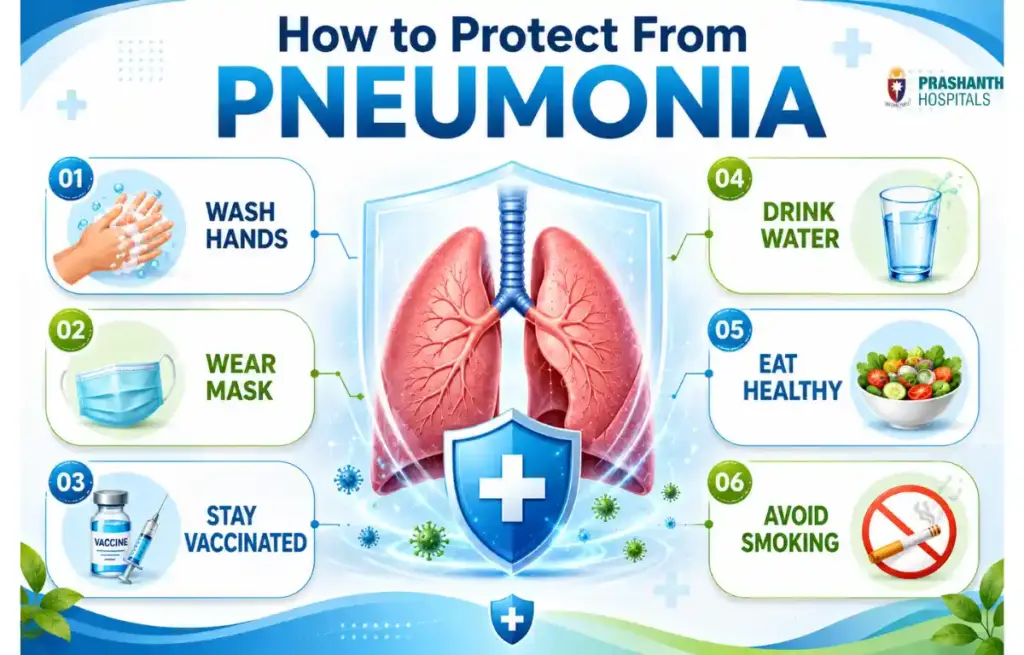
If you are caring for someone with pneumonia at home, wearing a mask around them, washing your hands often, and keeping their dishes and towels separate can reduce the chances of the illness spreading to others in the household.
Who is at Higher Risk of Getting Pneumonia?
Pneumonia does not affect everyone equally. Some people are much more likely to catch it, and more likely to become seriously ill when they do.
- Children under five whose lungs and immune systems are still developing, making it harder for their bodies to fight off the bacteria and viruses that cause pneumonia
- Adults over 65 whose immune systems become less efficient with age, making pneumonia a leading cause of hospital admission in older adults
- People who smoke, since cigarette smoke damages the tiny hair-like structures in the airways that normally sweep germs out of the lungs
- Anyone with a long-term condition such as COPD, asthma, heart disease, or diabetes, which affects how well the lungs and immune system respond to infection
- People with weakened immunity, including those on chemotherapy, living with HIV, or on long-term steroid medications
If you or someone close to you falls into one of these groups, speaking with a doctor about the pneumococcal vaccine and the annual flu vaccine is one of the most practical steps you can take.
How Long is Pneumonia Contagious?
There is no single answer to this because it depends on the type of pneumonia and how the person responds to treatment.
With bacterial pneumonia, the contagious period usually begins when symptoms appear. Once the right antibiotic has been started and the fever has gone, the person is generally much less contagious within one to two days. However, they will still need more time, sometimes two to four weeks, to fully recover and feel like themselves again.
Viral pneumonia follows the timeline of the virus that caused it. If the flu virus is responsible, the person can usually spread it for about five to seven days after their symptoms begin. In children and people with weaker immune systems, that window can be longer.
Walking pneumonia caused by Mycoplasma pneumoniae is a little different. People may spread it for days to weeks, especially before diagnosis and early during illness. This is one reason it tends to quietly move through households, classrooms, and care facilities without being noticed at first.
The safest approach is always to follow your doctor’s advice on when it is okay to return to work, school, or public spaces. Feeling better is not the same as no longer being contagious. Your doctor can help you decide when it is truly safe to be around others again, especially if you live with or care for someone who is in a high-risk group.