Leg pain that starts when you walk. A foot wound that will not heal. Veins that look twisted and feel heavy by evening. Many people live with these signs for months. They blame age, tiredness, or sugar levels. But sometimes the real problem sits inside the blood vessels.
If that sounds familiar, it may be time to see a vascular surgeon in Chennai. This guide explains what a vascular surgeon does, which signs should never be ignored, how doctors find the cause, and how treatment works. It also shares simple tips to choose the right doctor, so you can decide with a calm mind.
What is a Vascular Surgeon?
Think of your blood vessels as roads inside your body. Arteries carry fresh blood from the heart to every organ. Veins bring it back. When a road is blocked or weak, the part of the body it feeds suffers.
A vascular surgeon is a doctor trained to treat problems of the arteries and veins. This covers most of the body. Vascular surgeons mainly treat vessels outside the heart and brain, which cardiac and neurovascular specialists commonly manage. Vascular surgeons also treat the lymph vessels, which carry body fluid.
The name can be confusing. Many people think a vascular surgeon only operates. That is not true. Vascular surgeons also use medicines, exercise plans, and small procedures done through a tiny hole in the skin. Surgery is only one tool. A good vascular surgeon picks the gentlest option that works for you.
Signs You Should See a Vascular Surgeon
Vascular problems often begin quietly. Watch for:
- Pain or cramps in the calf, thigh, or hip while walking, which ease when you rest. Doctors call this claudication.
- Feet that feel cold, or one foot that is colder than the other.
- Sores on the toes, feet, or legs that heal slowly or do not heal at all.
- Leg skin that turns pale, blue, or dark, or shiny skin with hair loss.
- Swollen, heavy, or aching legs at the end of the day.
- Bulging, twisted veins that show under the skin.
- Sudden swelling in one leg, with pain or warmth.
Some conditions give no warning at all. An aortic aneurysm, a bulge in the main artery of the body, is one example. Whether you need a screening scan depends on your age, sex, smoking history, and family history, so talk to your doctor about it.
When to Go to the Emergency Room
Do not wait for an appointment if you notice any of these:
- A leg or arm that suddenly turns cold, pale, numb, or painful, or that you cannot move.
- Sudden, severe pain in the belly or back, especially with dizziness or collapse. This can be a warning sign of a burst or growing aortic aneurysm.
- Sudden leg swelling along with chest pain or trouble breathing.
- A drooping face, a weak arm, or slurred speech. These can be signs of a stroke.
Common Conditions a Vascular Surgeon Treats
Peripheral Artery Disease
Peripheral artery disease, or PAD, happens when fatty deposits called plaque build up inside the leg arteries. The arteries become narrow, and less blood reaches the legs and feet. The main risk factors are smoking, diabetes, high blood pressure, high cholesterol, age above 50, and kidney disease.
In the early stage, you may feel leg pain only when you walk. Later, the pain may come even at rest, often at night. In the advanced stage, wounds form on the toes or feet and may not heal. Without treatment, tissue can die, and a toe, foot, or part of the leg may need to be removed.
Diabetic Foot Problems
Diabetic foot problems have more than one cause. High sugar over many years can damage the nerves and reduce blood flow in the feet. Nerve damage means you may not feel a small cut, blister, or pressure spot. Poor blood flow slows healing, and infection can spread quickly.
A vascular surgeon checks how much blood is reaching the foot. Not every diabetic foot wound needs a procedure on the arteries. But when significant artery disease is present, restoring blood flow may improve healing and help reduce the risk of losing a toe, foot, or leg. Any foot wound in a person with diabetes deserves a quick check.
Varicose Veins
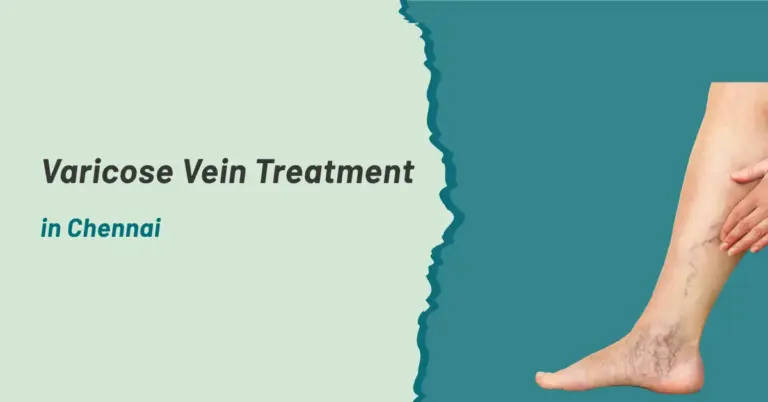
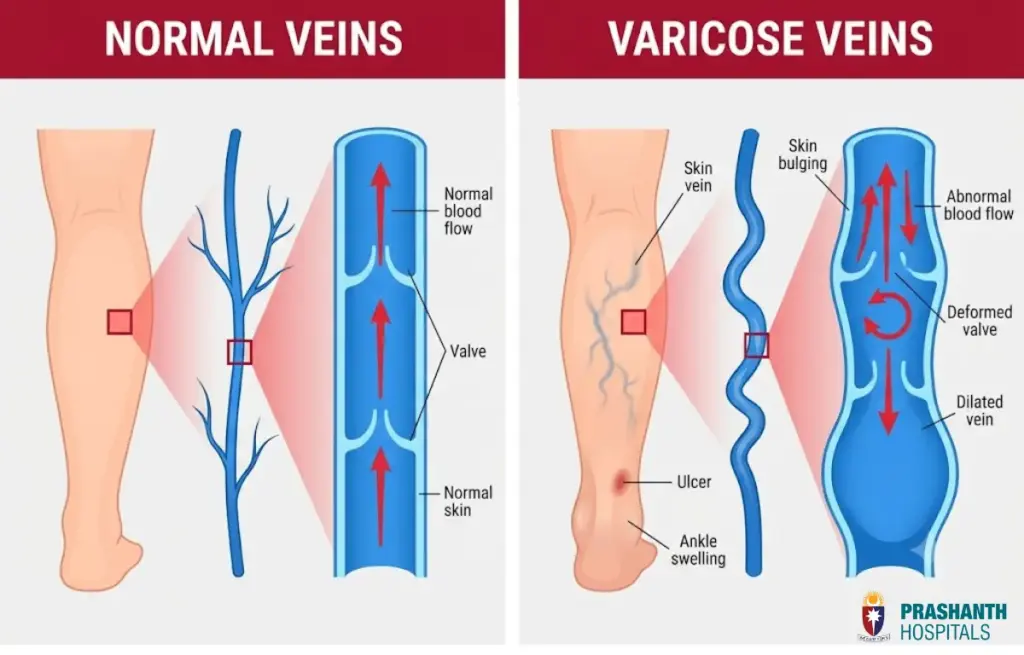
Veins in the legs have tiny valves that keep blood moving toward the heart. When these valves weaken, blood pools in the leg. The veins then swell, twist, and bulge. Varicose veins are not only a matter of looks. They can cause aching, swelling, itching, dark skin, and open sores near the ankle. Skin changes, sores, bleeding, or a hard, red, painful vein need a medical check.
Deep Vein Thrombosis
Deep vein thrombosis, or DVT, is a blood clot in a deep vein, most often in the leg. It can cause swelling, pain, and warmth. Long bed rest, a recent surgery, or a long journey without movement can raise the risk. The danger is that a piece of the clot can travel to the lungs, so get a medical check promptly. Go to the emergency room if you also have chest pain, trouble breathing, coughing up blood, or fainting.
Aortic Aneurysm and Carotid Artery Disease
The aorta is the biggest artery in the body. When its wall becomes weak, it can bulge like a thin spot on a balloon. Most aneurysms cause no pain and are found by chance during a scan. A large one can burst, which is a life threatening emergency. Regular monitoring and timely repair can prevent this.
The carotid arteries run along both sides of the neck and carry blood to the brain. If plaque narrows them, a piece of plaque or a clot can travel to the brain and cause a stroke.
How Doctors Find the Problem
Most tests are painless and quick. Your doctor will first feel the pulses in your feet and legs and check your skin and any wounds. Then one or more of these tests may follow:
- Ankle brachial index, or ABI. Blood pressure is measured at the ankle and at the arm. If the ankle reading is much lower, it points to a blockage in the leg arteries.
- Doppler or duplex ultrasound. Sound waves show how blood moves in your arteries and veins. This test can spot blockages, clots, and weak vein valves.
- CT or MR angiography. These scans give a detailed picture of the vessels. A special dye may be used, and your doctor considers your kidney function and other health factors before choosing a scan.
- Blood tests. Sugar, cholesterol, and kidney tests help find the cause and plan safe treatment.
Treatment Options
Not everyone who visits a vascular surgeon needs an operation. The right plan depends on the problem, how serious it is, and your overall health.
Lifestyle Changes and Medicines
For early PAD, this is the first step. It includes quitting tobacco, a structured walking program as your doctor advises, and better control of sugar, blood pressure, and cholesterol. Doctors may also give medicines that lower cholesterol or prevent clots. Varicose veins are managed differently. Compression stockings, leg elevation, and skin care can ease symptoms, and a vein procedure may follow if needed.
Endovascular Procedures
Endovascular means “inside the vessel.” The surgeon reaches the blocked or weak area through a thin tube called a catheter, placed through a small puncture, usually in the groin or wrist. Common procedures include:
- Angioplasty. A tiny balloon is inflated inside a narrow artery to open it.
- Stenting. A small mesh tube is placed to keep the artery open.
- Stent graft repair. A covered stent is placed inside an aneurysm to support the weak wall.
These procedures need smaller cuts, cause less pain, and often mean a shorter hospital stay than open surgery. They are not right for every person or every blockage. Your surgeon will explain the choice.
Open Surgery
Sometimes open surgery is the safer choice, especially for long or complex blockages. In a bypass, the surgeon uses a vein from your body or a soft tube to build a new path for blood around the blocked part. In endarterectomy, the plaque is cleaned out from inside the artery.
Vein Treatments
For varicose veins, options include sclerotherapy, where a solution closes small veins, and laser or radiofrequency treatment, where heat closes the faulty vein. The choice depends on the size of the vein and what your scan shows.
Meet Dr. Saravanan Balachandran
Dr. Saravanan Balachandran is a vascular surgeon in the Department of Vascular Surgery at Prashanth Hospitals. He has more than 15 years of experience and focuses on peripheral vascular disease and advanced endovascular procedures.
He completed his MBBS at Government Stanley Medical College, Chennai, in 2002. He then earned his MS in General Surgery from Madurai Medical College in 2007. His MCh in Vascular Surgery was completed at Government Stanley Medical College, Chennai. He treats patients of all age groups and speaks English, Tamil, and Hindi.
You can read more about him on his doctor profile page.
How to Choose the Best Vascular Surgeon in Chennai
No one can name a single doctor who is the best for every patient. What matters is the right match for your problem. When you look for the best vascular surgeon in Chennai, these points help:
- Proper training. Look for an MCh in Vascular Surgery. It shows the doctor trained specifically for blood vessel care.
- Experience with your problem. A person with a diabetic foot wound needs different skills from a person with varicose veins. Ask how often the doctor treats your condition.
- Honest options. A good surgeon can offer endovascular and open surgery, and will tell you when you need neither.
- Clear talk about risks. A caring doctor explains them in plain words.
- A strong hospital team. Vessel problems often come with diabetes, kidney disease, or heart disease. Imaging, intensive care, and other specialists under one roof make care safer.
- Comfort and trust. You should feel heard. A second opinion is always fine.
What to Expect at Your First Visit
Bring your old reports, scans, and a list of all the medicines you take. If you have diabetes, bring your recent sugar reports. The doctor will ask when the symptoms began, what makes them better or worse, and whether you smoke or chew tobacco.
Next comes a physical check of your legs, feet, and pulses. Depending on your signs, a quick test like an ABI or an ultrasound may be done the same day. The doctor then explains the findings in simple words and suggests a plan. Ask about every step, including the risks and other choices.
Protecting Your Blood Vessels
Most vascular disease builds up slowly over years, which gives you time to act:
- Say no to tobacco. Smoking and chewing tobacco damage the vessel walls. Quitting is the most helpful step for your arteries.
- Keep sugar, pressure, and cholesterol in range. Check them on schedule and take your medicines as advised.
- Walk regularly. Follow the exercise plan your doctor advises. For PAD, a structured walking program often helps most.
- Eat with care. Choose more vegetables, fruits, dal, and whole grains. Cut back on deep fried food and sweets.
- Check your feet if you have diabetes. Look at both feet every day, wear soft footwear, never walk barefoot, and show any wound that does not improve to your doctor.
After any procedure, keep your follow up visits even if you feel well, and never stop blood thinners on your own.
When to Book an Appointment
If you notice leg cramps while walking, a wound that will not heal, swollen legs, or bulging veins, a visit to a vascular surgeon in Chennai is a sensible step. Early care is simpler, safer, and often gentler than treatment done late.
If you would like to speak with Dr. Saravanan Balachandran and the Department of Vascular Surgery at Prashanth Hospitals, you can book a visit through the hospital website.
This article is for general information only. It does not replace advice from your own doctor. If you have symptoms, please see a qualified doctor for a proper check.