Pros and Cons of Bariatric Surgery

Pros and Cons of Bariatric Surgery

Imagine knowing you’ve lessened the impact of potentially fatal health issues. By committing to a weight loss program, you take an active step toward living a longer, healthier life. When considering the pros and cons of bariatric surgery, the ultimate goal of weight loss should always be to achieve a healthy physical state not just a superficial outcome.

Obesity-related health problems are serious and numerous, including heart disease, sleep apnea, type 2 diabetes, stroke, high cholesterol, and cancer. In morbidly obese patients, bariatric surgery is regarded as the most effective treatment modality for maintaining long-term weight loss and improving obesity-related conditions. Understanding the pros and cons of bariatric surgery can help patients make informed choices.

Surgery vs. Lifestyle Interventions

If your BMI is less than 35 and you don’t have any obesity-related medical conditions, you may benefit more from weight-loss lifestyle interventions such as diet and exercise. However, if your BMI is greater than 35 with comorbidities or greater than 40 without comorbidities, bariatric surgery may be the best option for lowering your risk of diabetes, cardiovascular disease, and other conditions.

Who needs Bariatric Surgery?

Weight loss surgery is for people who are morbidly obese and have tried every other method to lose weight without success. In numbers, this translates to people with a BMI of 40kg/m2 or higher. People who are mild to moderately obese (BMI 35-40) and have a co-existing health condition such as diabetes, sleep apnea, or arthritis may also benefit. There are many unknowns surrounding the topic, but one thing we do know is that bariatric surgery is effective, and likely far more effective than diet or lifestyle changes. However, it is not without risk, and it necessitates a lifetime commitment on the part of the individual.

Morbid obesity can affect the quality of your health and it’s been linked to several serious and life-threatening diseases. These co-morbid conditions include:

Positives of Losing Weight

We’ve all felt a sense of accomplishment when we’ve met a goal or accomplished something that seemed impossible. Losing a significant amount of weight certainly fits the bill. Losing weight has numerous advantages, the most important of which are listed below:

  • The new you
  • Self-confidence
  • Better sleep
  • Improved overall health

Steady weight loss following bariatric surgery often improves your health. It is important to know the pros of bariatric surgery and what benefits you can expect from the procedure.

It’s crucial to understand the benefits and drawbacks of bariatric surgery and whether it’s right for you. When weighing the benefits of weight loss surgery versus the risks of temporary side effects and complications, the benefits in terms of your health, longevity and quality of life will far outweigh the risks of temporary side effects and complications. As a result, the medical community around the world is now encouraging patients to weigh the pros and cons of bariatric surgery before deciding on the procedure to help them lose weight.

The pros of bariatric surgery include weight loss, improved general health, enhanced quality of life, greater life expectancy, improved fertility to name some. The cons of bariatric surgery include Stomal stenosis, malnutrition, ulcers, food intolerance, excess skin, and psychological effects.
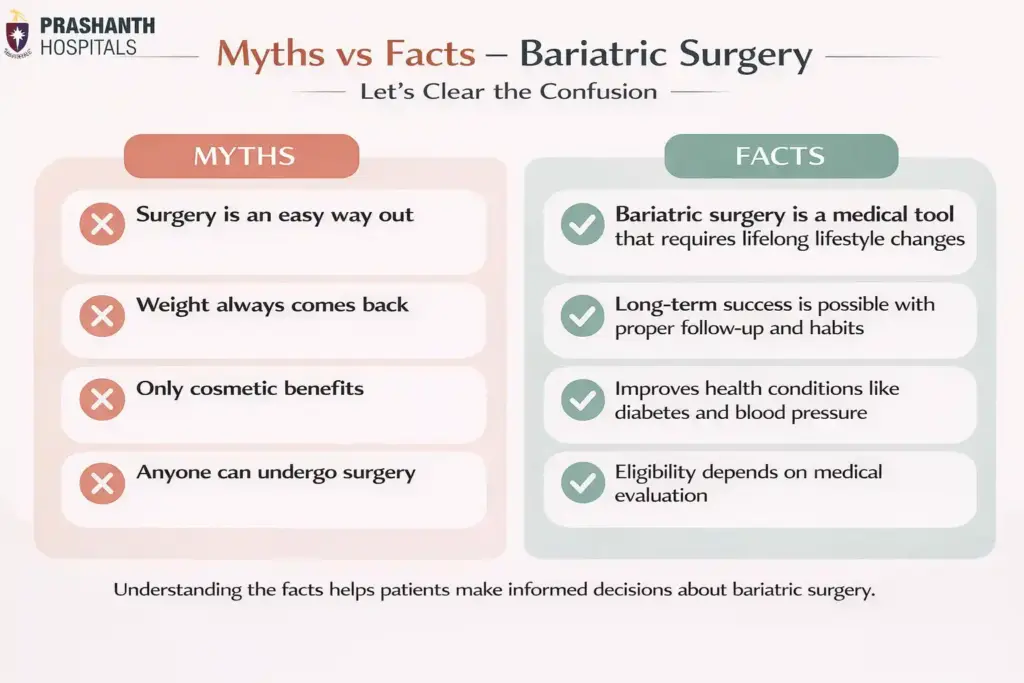
Pros and Cons of Bariatric Surgery

Long-term remission for type 2 diabetes

According to one study, bariatric surgery results in long-term remission of type 2 diabetes. The findings of this study show that the procedure is highly effective for obese patients with type 2 diabetes, with nearly all patients remaining insulin-free for at least three years following surgery. These outcomes highlight the pros of weight loss surgery for patients struggling with obesity-related diabetes.

Weighing the Pro and Cons

The two vital pre-requisites to a safe procedure are that you should be an eligible candidate and the bariatric surgeon you work with should be qualified to perform the type of surgery you are choosing. Bariatric surgery risks over the years have dramatically reduced with the introduction of laparoscopic technique. All surgeries have risks and benefits to consider.

For some patients, having a bariatric procedure is worth it. To make the best decision, speak honestly and openly with our doctors about what weight loss surgery can and cannot do for you. Always be guided by expert advice. Book an appointment with the best doctors in Chennai at Prashanth Hospitals. Understanding the pros and cons of bariatric surgery is essential before making any decisions.

Frequently Asked Questions

Cons of bariatric surgery include nutrient deficiencies, loose skin, gallstones, and digestive issues. Some patients may experience nausea, acid reflux, or dumping syndrome after surgery. Emotional changes and significant lifestyle adjustments are also common. To prevent complications and support long-term, healthy weight loss, lifelong vitamin supplementation and regular medical follow-ups are essential.

The gastric sleeve (sleeve gastrectomy) is considered the safest and most effective weight loss surgery. It removes part of the stomach, reducing hunger and portion size. It has fewer complications than gastric bypass, promotes steady weight loss, and preserves normal digestion without rerouting the intestines.

When discussing the pros and cons of bariatric surgery, some patients report regret after gastric sleeve surgery due to strict dietary changes, nutrient deficiencies, or challenges with emotional adjustment. However, most patients experience significant improvements in overall health, confidence, and mobility. Regret is more likely when expectations are unrealistic or when post-surgery guidelines are not followed properly. With proper commitment, regular follow-up care, and lifestyle discipline, outcomes are usually positive and long-lasting.

 Life expectancy generally increases by 5–10 years after bariatric surgery compared to untreated obesity. The surgery reduces risks of diabetes, heart disease, stroke, and cancer. With a balanced diet, regular exercise, and consistent medical monitoring, most patients enjoy a longer, healthier, and more active life post-surgery.

Cons of bariatric surgery include nutrient deficiencies, loose skin, gallstones, and digestive issues. Some patients may experience nausea, acid reflux, or dumping syndrome after surgery. Emotional changes and significant lifestyle adjustments are also common. To prevent complications and support long-term, healthy weight loss, lifelong vitamin supplementation and regular medical follow-ups are essential.

The gastric sleeve (sleeve gastrectomy) is considered the safest and most effective weight loss surgery. It removes part of the stomach, reducing hunger and portion size. It has fewer complications than gastric bypass, promotes steady weight loss, and preserves normal digestion without rerouting the intestines.

When discussing the pros and cons of bariatric surgery, some patients report regret after gastric sleeve surgery due to strict dietary changes, nutrient deficiencies, or challenges with emotional adjustment. However, most patients experience significant improvements in overall health, confidence, and mobility. Regret is more likely when expectations are unrealistic or when post-surgery guidelines are not followed properly. With proper commitment, regular follow-up care, and lifestyle discipline, outcomes are usually positive and long-lasting.

 Life expectancy generally increases by 5–10 years after bariatric surgery compared to untreated obesity. The surgery reduces risks of diabetes, heart disease, stroke, and cancer. With a balanced diet, regular exercise, and consistent medical monitoring, most patients enjoy a longer, healthier, and more active life post-surgery.

Related Blogs

Understanding Hepatitis A, B, and C | what is viral hepatitis

Viral hepatitis is a major global health issue that includes infections like Hepatitis A, B, and C. These diseases, caused

best foods for liver health | Prashanth Hospitals

The liver is a remarkable organ that performs vital functions essential for overall health. From detoxification to metabolism and nutrient

Best food for a hernia | Prashanth Hospitals

Hernias are a common medical condition that occurs when an organ or fatty tissue protrudes through a weak spot or

can stress cause mouth ulcers

Stress is often linked to various health problems, including ulcers. While stress alone may not directly cause ulcers, it can

Constipation Causes, Consequences, Treatment & Prevention

Constipation is a common digestive issue characterized by infrequent bowel movements, difficulty passing stools, or a sensation of incomplete evacuation.

Gastroenterology Hospital in Gummidipoondi | Prashanth Hospitals

Digestive health plays a major role in daily comfort and overall well-being. Problems related to the stomach, liver, or intestines

Gastrointestinal infection causes

Stomach infections, also called gastrointestinal infections, happen when harmful bacteria invade the digestive system. These infections cause inflammation in the

Gastroenterologist in Chennai
Trusted gastroenterologist in Chennai offering expert care, advanced treatments, and personalized solutions for digestive, liver, and GI health.
Best Treatment for Hepatitis & Prevention

Viral hepatitis is a major global health issue that includes infections like Hepatitis A, B, and C. These diseases, caused