A neurologist is a doctor who diagnoses, treats and manages disorders of the brain, spinal cord, nerves and muscles. They see patients with headaches, memory problems, seizures, numbness, tremors and other neurological symptoms. This page explains what neurologists and neurosurgeons do, when to see one, and lists the neurology and neurosurgery doctors at Prashanth Hospitals, Chennai. Choose a registered doctor who treats your specific concern, and ask about the options, benefits and risks of any treatment.
Neurology and Neurosurgery Doctors at Prashanth Hospitals
Dr. Sivaji M
Education: MBBS, DPM, MD (General Medicine), DM (Neurology)
Experience: 35+ years
Designation: Senior Consultant, Department of Neurology
Area of practice: Expertise in neurology, psychological medicine, and general medicine
About the Doctor:
Dr. Sivaji M is a Neurologist in Chennai and a Senior Consultant in the Department of Neurology at Prashanth Hospitals. His areas of practice include neurological disorders, psychological medicine and general medicine. Neurological disorders affect the brain, spinal cord and nerves, and some patients also have psychological symptoms, so evaluation may involve both fields. Patients with headaches, seizures, memory problems or numbness may be evaluated by a neurologist.

Dr. P. Sampath Kumar
Education: MBBS, MD (General Medicine), DM (Neurology)
Experience: 22+ years
Designation: Senior Consultant Neurologist, Department of Neurology & Neurosurgery
Area of practice: Expertise in stroke management, epilepsy, multiple sclerosis, movement disorders, and vertigo
About the Doctor:
Dr. P. Sampath Kumar is a Senior Consultant Neurologist in Chennai in the Department of Neurology & Neurosurgery at Prashanth Hospitals. His areas of practice include stroke management, epilepsy, multiple sclerosis, movement disorders and vertigo. These conditions affect the brain, nerves or balance system. Evaluation usually starts with a clinical examination, and tests such as MRI, CT scan or EEG may be advised depending on the symptoms.

Dr. K. V. Karthikeyan
Education: MBBS, MCh (Neurosurgery), FMMC
Experience: 18+ years
Designation: Senior Consultant, Department of Neurology & Neurosurgery
Area of practice: Expertise in skull base surgery, pediatric neurosurgery, neurotrauma, endoscopic neurosurgery
About the Doctor:
Dr. K. V. Karthikeyan is a neurosurgeon and Senior Consultant in the Department of Neurology & Neurosurgery at Prashanth Hospitals. His areas of practice include skull base surgery, pediatric neurosurgery, neurotrauma and endoscopic neurosurgery. Neurosurgery is considered when a condition of the brain, spine or nerves needs an operation. The decision follows evaluation and a discussion of the options, benefits and risks with the patient.

Dr. Preetha P
Education: MBBS, MD (Internal Medicine), DM (Neurology)
Experience: 17+ years
Designation: Consultant Neurologist, Department of Neurology & Neurosurgery
Area of practice: Expertise in epilepsy, headache, movement disorders, stroke management, and neurocritical care
About the Doctor:
Dr. Preetha P is a Consultant Neurologist in Chennai in the Department of Neurology & Neurosurgery at Prashanth Hospitals. Her areas of practice include epilepsy, headache, movement disorders, stroke management and neurocritical care. Neurocritical care is the care of patients with serious neurological illness who need close monitoring in intensive care. Patients with seizures, recurring headaches, tremors or sudden weakness may be evaluated by a neurologist.

Dr. S. Balasubramaniam
Education: MBBS, MD (Internal Medicine), DM (Neurology)
Experience: 10+ years
Designation: Senior Consultant Neurologist and Stroke Specialist, Department of Neurology & Neuro Surgery
Area of practice: Expertise in stroke management, epilepsy, multiple sclerosis, movement and balance disorders
About the Doctor:
Dr. S. Balasubramaniam is a Senior Consultant Neurologist in the Department of Neurology & Neurosurgery at Prashanth Hospitals, with a focus on stroke care. His areas of practice include stroke management, epilepsy, multiple sclerosis, and movement and balance disorders. A stroke happens when the blood supply to part of the brain is blocked or a blood vessel bleeds, and it needs emergency medical attention. Sudden weakness, speech difficulty or facial drooping should be treated as an emergency.

Dr. G.S. Arun Narindar
Education: MD (Physician), MS (General Surgery), MCh (Neurosurgery)
Experience: 8+ years
Designation: Consultant Neurosurgeon, Department of Neurosurgery
Area of practice: Expertise in minimally invasive brain and spine surgery, microscopic and endoscopic neurosurgery
About the Doctor:
Dr. G.S. Arun Narindar is a Consultant Neurosurgeon in the Department of Neurosurgery at Prashanth Hospitals. His areas of practice include minimally invasive brain and spine surgery, and microscopic and endoscopic neurosurgery. Minimally invasive techniques use smaller incisions and specialised instruments. Whether they are suitable depends on the condition, and the surgeon explains the options, benefits and risks before any procedure.

Dr. Priyadharshan K P
Education: MBBS, MS, MCh (Neurosurgery), DrNB (Neurosurgery)
Experience: 6+ years
Designation: Senior Consultant, Department of Neurosurgery
Area of practice: Expertise in pediatric neurosurgery, head and spine trauma, neurovascular surgery, and minimally invasive procedures
About the Doctor:
Dr. Priyadharshan K P is a Consultant in the Department of Neurosurgery at Prashanth Hospitals. His areas of practice include pediatric neurosurgery, head and spine trauma, neurovascular surgery and minimally invasive procedures, in both children and adults. Neurovascular surgery deals with conditions of the blood vessels of the brain and spine. Head and spine trauma care is often needed urgently after accidents or falls

Dr. Sruthi Degapudi
Education: MBBS, MD (Internal Medicine), DM (Neurology), MRCP (UK)
Experience: 5+ years
Designation: Consultant, Department of Neurology
Area of practice: Expertise in neuroimmunology, dementia, neuromuscular disorders, stroke, epilepsy, and movement disorders
About the Doctor:
Dr. Sruthi Degapudi is a Consultant Neurologist in Chennai in the Department of Neurology at Prashanth Hospitals. Her areas of practice include neuroimmunology, dementia, neuromuscular disorders, stroke, epilepsy and movement disorders. Neuroimmunology deals with conditions in which the immune system affects the nervous system, such as multiple sclerosis. Neuromuscular disorders affect the nerves and muscles, and dementia affects memory and thinking.

Neurologist vs Neurosurgeon in Chennai: What’s the Difference?
A lot of patients get confused between these two doctors, and honestly, it’s easy to see why. Both deal with the brain, spine and nervous system. But the way they treat you is completely different.
A neurologist is the doctor you see first. If you have headaches, memory problems, seizures, numbness or dizziness, this is who you consult. They diagnose the problem using tests like MRI, EEG or nerve studies, and most of the time they treat you with medicines, therapy and lifestyle changes. Neurologists do not perform surgery.
A neurosurgeon comes into the picture when the problem needs an operation. Brain tumours, severe spine issues, major head injuries or conditions that medicines can’t fix are handled by them. So if a neurologist finds something that needs surgery, they will refer you to a neurosurgeon.
The neurologist identifies the problem and manages it with non-surgical care. The neurosurgeon operates when surgery is needed. Many patients in Chennai end up seeing both doctors for the same condition, one after the other, depending on how the treatment plan unfolds.
If you’re not sure which one you need, just book with a neurologist first. They will guide you to a neurosurgeon if your case actually requires surgery.
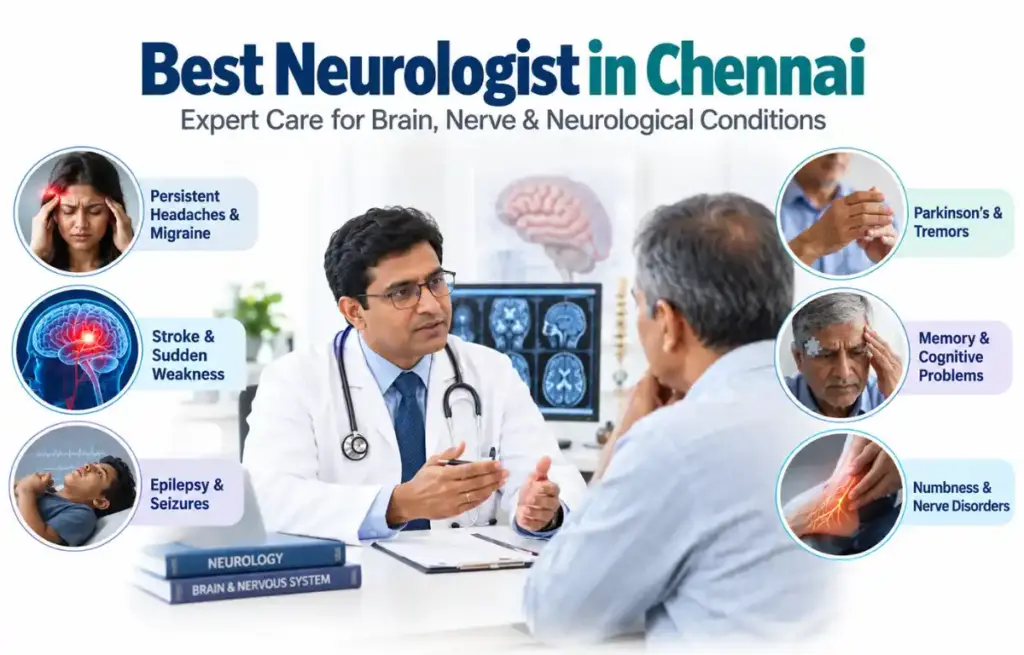
What do Neurologists in Chennai do?
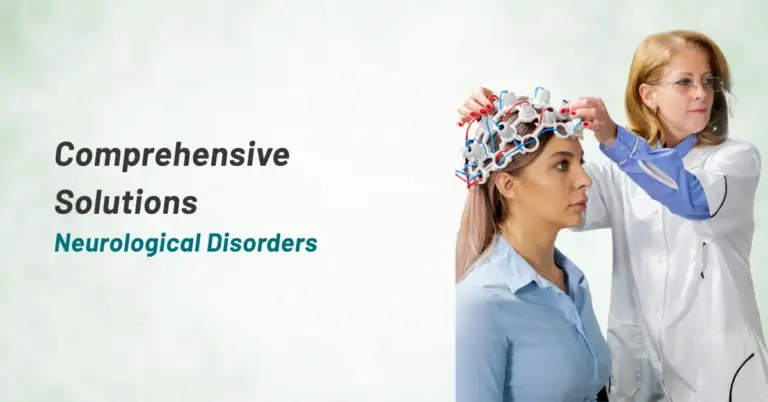
- Diagnosis of Neurological Disorders: Neurologists in Chennai evaluate patients experiencing headaches, dizziness, numbness, seizures, memory issues, or unexplained pain. They use tests such as MRI, CT scans, EEG and nerve conduction studies to help identify problems affecting the brain, spine or peripheral nerves.
- Stroke and Emergency Care: Neurologists provide urgent care for stroke patients. A stroke is a medical emergency, and quick assessment is important to limit brain damage. Treatment may include clot-dissolving medicines (thrombolysis), other medicines and rehabilitation, depending on the type of stroke and how soon the patient reaches hospital.
- Epilepsy and Seizure Management: Neurologists manage seizure disorders. Treatment may include anti-seizure medicines, lifestyle adjustments and regular monitoring to reduce the chance of further episodes.
- Movement and Neurodegenerative Disorders: Specialists treat conditions like Parkinson’s disease, Huntington’s disease, and Alzheimer’s disease. Treatment may include medicines, therapies and ongoing monitoring to help manage symptoms and support daily function.
- Neuromuscular and Autoimmune Disorders: Neurologists manage conditions such as multiple sclerosis, myasthenia gravis and peripheral neuropathies. Treatment often combines immune-modulating medicines, rehabilitation and long-term follow-up.
- Headache and Pain Disorders: They evaluate and treat chronic migraine, cluster headache and nerve-related pain. Treatment may include medicines, botulinum toxin injections for chronic migraine in selected patients, or nerve procedures, depending on the cause.
- Rehabilitation and Preventive Care: Neurologists guide rehabilitation and follow-up to help prevent recurrence or progression of some neurological conditions. This includes physiotherapy, cognitive training, and lifestyle modifications.
When Should I Consult a Neurology Doctor in Chennai?
- Sudden or Severe Headaches: Persistent or unusual headaches that don’t respond to usual remedies may signal underlying neurological issues, requiring assessment by a neurologist.
- Seizures or Convulsions: Any episodes of unexplained seizures or loss of consciousness need urgent medical evaluation, and a neurologist can then investigate the cause.
- Memory or Cognitive Decline: Noticeable changes in memory, concentration, or reasoning could indicate dementia or other neurological disorders, necessitating consultation with the neurology doctor in Chennai.
- Movement or Balance Problems: Tremors, stiffness, dizziness, or difficulty walking can be symptoms of Parkinson’s, vertigo, or other movement disorders, which a neurologist doctor in Chennai can effectively manage.
- Numbness or Weakness: Persistent numbness, tingling, or weakness in limbs may indicate nerve or spinal issues requiring evaluation by a neuro specialist in Chennai.
- Trauma or Injury Risk: Athletes or individuals with head, spine, or nerve injuries should seek assessment to prevent long-term complications and ensure proper rehabilitation by a neurologist in Chennai.
Common Conditions Treated by Neurosurgeons
| Condition | Description | How It’s Treated |
|---|---|---|
| Brain Tumors | Abnormal growths in the brain causing headaches, seizures, or neurological deficits. | Surgery, chemotherapy or radiation therapy, planned by a team that may include neurosurgeons, oncologists and radiation specialists. |
| Spinal Disorders | Includes herniated discs, spinal stenosis, and deformities affecting mobility and causing pain. | Minimally invasive spine surgery, fusion procedures and rehabilitation, guided by a neurosurgeon. |
| Stroke & Aneurysms | Blockages or bleeding in brain vessels leading to neurological damage. | Endovascular surgery, clot removal, and supportive therapy. |
| Epilepsy | Recurrent seizures caused by abnormal brain activity. | Medicines for most patients. Surgery or neuromodulation is considered in selected cases that do not respond to medicines. |
| Movement Disorders | Conditions like Parkinson’s disease, tremors, and dystonia affecting daily life. | Medicines are the first treatment for most patients. Deep brain stimulation may be considered in selected cases. |
| Traumatic Brain & Spine Injuries | Injuries due to accidents or trauma affecting the brain or spinal cord. | Emergency surgery, decompression, and rehabilitation. |
| Headache Disorders | Chronic or severe headaches including migraines or cluster headaches. | Most headaches are managed with medicines by a neurologist. Surgery is rarely needed and is considered only for specific causes, such as tumours, hydrocephalus or vascular lesions. |
| Hydrocephalus | Excess accumulation of cerebrospinal fluid in the brain. | Shunt surgery or endoscopic third ventriculostomy. |
How to Book an Appointment
Booking a consultation with a neurologist at Prashanth Hospitals is simple and doesn’t need to be stressful.
You can call the hospital directly and ask the reception team for the next available slot with the neurologist of your choice. Prashanth Hospitals also lets you book online through their website, where you pick the doctor, choose a convenient date and time, and confirm your details without having to wait on a call.
If your case feels urgent, mention it while booking so the team can prioritise you or guide you to emergency care instead of a regular outpatient slot.
Carry your previous medical records, scan reports or prescriptions if you already have them. This helps the doctor understand your history faster and saves time during the consultation.
For first time visits, try to reach a little early to complete registration. And if you’re booking for an elderly patient or someone who needs assistance, let the hospital staff know in advance so they can arrange for a wheelchair or extra support if needed.
Conclusion
Neurologists diagnose and manage conditions of the brain, spinal cord and nerves, including stroke, epilepsy, movement disorders and cognitive problems. Choose a registered doctor whose qualifications and registration you have checked, and ask about the options, benefits and risks before any treatment. If you have sudden weakness, speech difficulty, severe headache or a seizure, seek emergency care immediately.