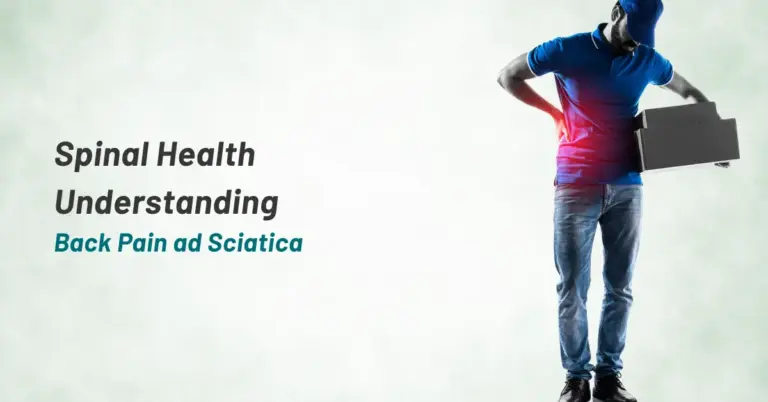
You wake up one morning and your back pain is worse than ever. Sitting hurts. Standing hurts. You have tried physiotherapy, pain medication, and rest. Nothing is giving you lasting relief. Your doctor is now talking about surgery, and that word alone can feel overwhelming.
Here is the truth: spine surgery today looks very different from what it did ten years ago. Minimally invasive spine surgery in Chennai has changed the experience for patients in a real and meaningful way. Smaller cuts. Less pain after the procedure. Faster return to daily life. This guide covers what the surgery involves, who it suits, what recovery looks like, and how to take the right next step.
What is Minimally Invasive Spine Surgery?
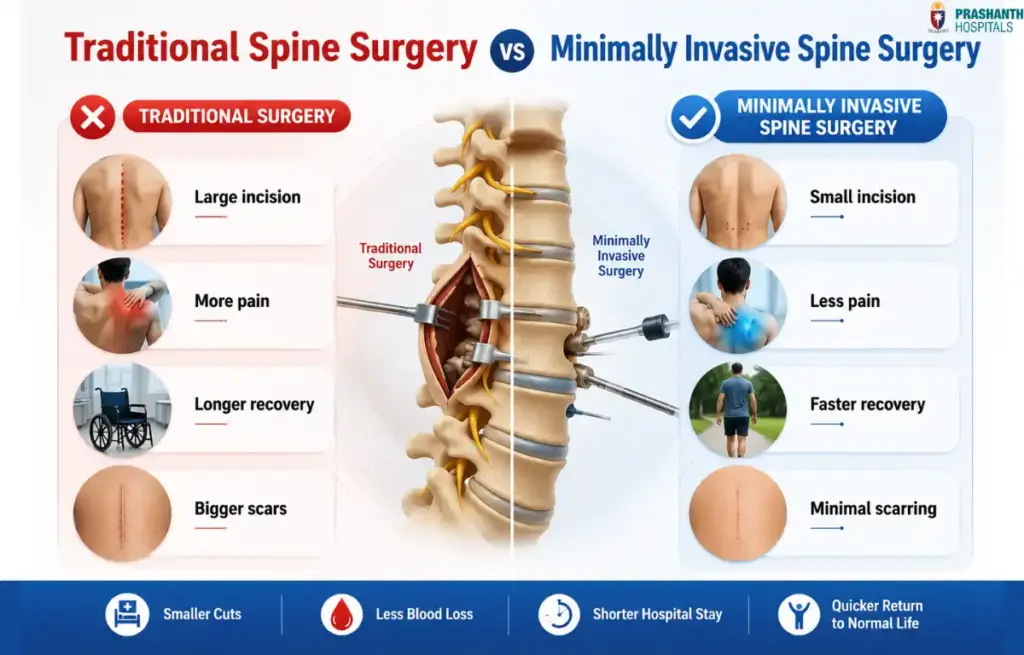
Traditional open spine surgery requires a long incision. Surgeons move aside the muscles surrounding the spine to access the problem area. This causes significant muscle trauma, which is often the main reason recovery takes so long.
Minimally invasive spine surgery (MISS) takes a different approach. Surgeons work through very small incisions, sometimes just a few millimetres wide. They use specialised tools such as tiny tubes called tubular retractors or ultra-thin endoscopes that gently move tissue aside rather than cutting through it. A real-time imaging system guides every movement with precision throughout the procedure.
In appropriately selected patients, MISS can achieve outcomes comparable to traditional open surgery through a much smaller incision. Less tissue damage means less post-operative pain, potentially lower infection risk, and a faster recovery for many patients. MISS is not a shortcut. For selected patients, it offers a less disruptive way to treat certain spine conditions.
Conditions Treated with this Surgery
- Minimally invasive spine surgery is used to treat a range of spinal conditions. Here are the most common ones, explained simply.
- Herniated or slipped disc: The soft cushion between two vertebrae pushes out of position and presses on a nearby nerve, causing sharp pain or numbness that travels down the arm or leg.
- Spinal stenosis: The canal that houses the spinal cord becomes narrow, squeezing the nerves inside and causing pain, weakness, or heaviness in the legs when walking.
- Degenerative disc disease: The spinal discs wear down over time, losing their ability to absorb shock. This leads to chronic back or neck pain that worsens with movement.
- Spondylolisthesis: One vertebra slips forward over the one below it, causing instability and nerve compression.
- Sciatica: A compressed nerve in the lower spine sends shooting pain down one or both legs, sometimes reaching the foot.
- Spinal fractures: Breaks in the vertebrae, often seen in older adults with bone thinning, that cause sudden and severe back pain.
- Spinal tumours and infections: In selected cases, minimally invasive techniques may reduce tissue disruption and support a smoother recovery. These conditions require individual assessment by a specialist.
Most people with these conditions try non-surgical treatment first. Physiotherapy, anti-inflammatory medication, and nerve block injections are all reasonable first steps. Surgery is typically considered when those options have not provided enough relief after 6 to 12 weeks, and when an MRI or CT scan has confirmed a clear structural cause. However, urgent surgery may be needed earlier if there is worsening weakness, loss of bladder or bowel control, or severe nerve compression. If you notice any of these symptoms, see a doctor immediately.
Types of Procedures Available
Different spine problems call for different procedures. Here is a plain-language overview of the most commonly performed ones.
Microdiscectomy: Removes the part of a herniated disc that is pressing on a nerve. This is the most frequently performed MISS procedure and offers excellent results for sciatica and disc-related leg pain.
Endoscopic spine surgery: A tiny camera is guided through a keyhole-sized opening, giving the surgeon a clear view while causing the least possible disruption to surrounding tissue.
Minimally invasive spinal fusion: Two vertebrae are joined together to stop painful movement between them. This is done for conditions like spondylolisthesis or severe degenerative disc disease.
Laminotomy: A small section of bone is removed to widen the spinal canal and relieve nerve pressure from spinal stenosis.
Percutaneous pedicle screw fixation: Image-guided screws are placed through tiny incisions to stabilise the spine without opening a large area of the back.
Kyphoplasty and vertebroplasty: Medical-grade bone cement is injected into a collapsed vertebra to restore its shape and relieve the pain of a compression fracture.
Foraminotomy: The bony opening where nerve roots exit the spine is widened to relieve pressure and restore normal nerve function.
What are the Benefits?
The key benefits of minimally invasive spine surgery in Chennai include less post-operative pain, smaller scars, reduced blood loss, potentially lower infection risk, a shorter hospital stay of 1 to 2 days, and a faster return to daily activity compared to traditional open surgery.
Each of these matters in a practical way.
Smaller incisions mean the wound heals faster and the scar is barely visible. Less disruption to surrounding muscles means you do not have the deep muscular soreness that often follows open surgery. Reduced blood loss lowers the chances of needing a transfusion. Shorter hospital stays mean you are back home with your family sooner.
Many patients also require less post-operative pain medication after MISS compared to open surgery. Less reliance on strong painkillers means a clearer head and a more comfortable recovery.
Who is a Good Candidate?
Not every spine problem requires surgery, and not every surgical case is suitable for a minimally invasive approach. A good candidate is generally someone who:
- Has a confirmed structural cause of pain on an MRI or CT scan
- Has tried conservative treatment for at least 6 to 12 weeks without adequate relief
- Is experiencing nerve symptoms such as numbness, weakness, or pain travelling down a limb
- Is medically fit enough to undergo anaesthesia
Some complex cases involving severe spinal deformity, multiple levels requiring treatment, or prior surgeries may require a different surgical approach. Your spine specialist will assess your full clinical picture before recommending a path forward.
The right decision is never based on symptoms alone. It comes from a thorough consultation that reviews your history, imaging, and goals.
Before, During, and After Surgery
Before Your Surgery
Your care team will arrange pre-operative blood tests, imaging review, and an anaesthesia assessment. You will be asked to stop blood thinners and anti-inflammatory medications several days before the procedure. Fasting instructions will be given for the night before. Most patients are admitted on the morning of surgery.
During the Procedure
The surgery is performed under general, spinal, or local anaesthesia with sedation, depending on the specific procedure. For some endoscopic procedures, local anaesthesia with sedation is used so the patient stays comfortable and can communicate during the operation. It typically takes between one and three hours. Your surgeon uses fluoroscopy or intraoperative spinal navigation to guide instruments in real time with high accuracy. The incision is closed with a small number of stitches or surgical tape.
After Surgery: Your Recovery Timeline
Day 1: Most patients can sit up and take a few steps with support on the same day as surgery.
Days 1 to 2: The majority of patients are discharged home within 48 hours.
Weeks 1 to 2: Rest at home with light movement. A follow-up visit is scheduled to check the wound and review progress.
Weeks 2 to 4: Many patients return to desk work. A structured, gentle physiotherapy programme often begins around this time to safely rebuild core strength and improve movement.
Weeks 4 to 6: Activity levels increase gradually based on the specific procedure and your surgeon’s guidance.
Weeks 6 to 12: Gradual increase in activity guided by your physiotherapist.
3 to 6 months: Many patients return to most normal daily activities, including moderate physical activity. Recovery pace varies by procedure and individual health.
Understanding Spine Surgery Cost in Chennai
Spine surgery cost in Chennai varies depending on the type of procedure, the number of spinal levels involved, the technology used, and the length of hospital stay. Minimally invasive procedures generally involve shorter hospital stays and lower post-operative medication needs, which can make the overall treatment more affordable compared to open surgery when all costs are considered.
At Prashanth Hospitals, our team provides a clear cost estimate before any procedure. We believe every patient deserves to understand what is involved financially before making a decision. Our staff can guide you through insurance pre-authorisation if you hold a health insurance policy.
If you are comparing spine surgery cost in Chennai across facilities, look beyond the procedure fee alone. Factor in hospital stay duration, physiotherapy support, follow-up care, and the surgical team’s experience. These details affect both your outcome and total recovery cost.
Why Prashanth Hospitals
Choosing where to have spine surgery is one of the most important decisions you will make. Here is what you can expect at Prashanth Hospitals.
Our spine team includes experienced neurosurgeons and orthopaedic spine specialists who work together for every patient. We use intraoperative imaging and spinal navigation systems that help our surgeons work with accuracy and confidence. Our bone, joint, and neuro-spine specialists collaborate closely, supported by a trained nursing team and an in-house physiotherapy and rehabilitation department involved from day one of your recovery.
Every treatment plan at Prashanth Hospitals is built around your specific condition, your lifestyle, and your goals. We do not offer a one-size approach. We take the time to explain your options, answer your questions, and walk with you through every step of care.
Your Back Deserves the Right Care
Living with back or neck pain takes a toll, not just on your body but on your sleep, your work, and your time with family. Minimally invasive spine surgery in Chennai at Prashanth Hospitals offers a path forward that is safer, faster, and more manageable than many people expect.
The first step is a conversation with a specialist who will listen, assess your situation carefully, and help you understand your real options.
Book a spine surgery consultation at Prashanth Hospitals today. Our team is here to help you get the right answers and move toward a more comfortable life.
Explore our Spine Surgery Department, Neurosurgery Services, Physiotherapy and Rehabilitation, and Health Check Packages at Prashanth Hospitals.