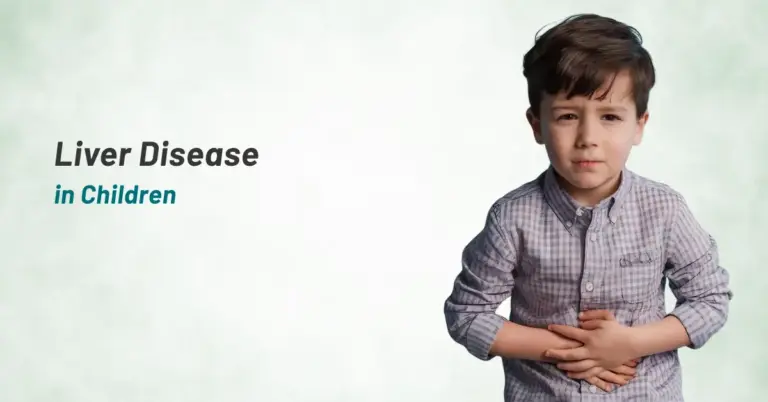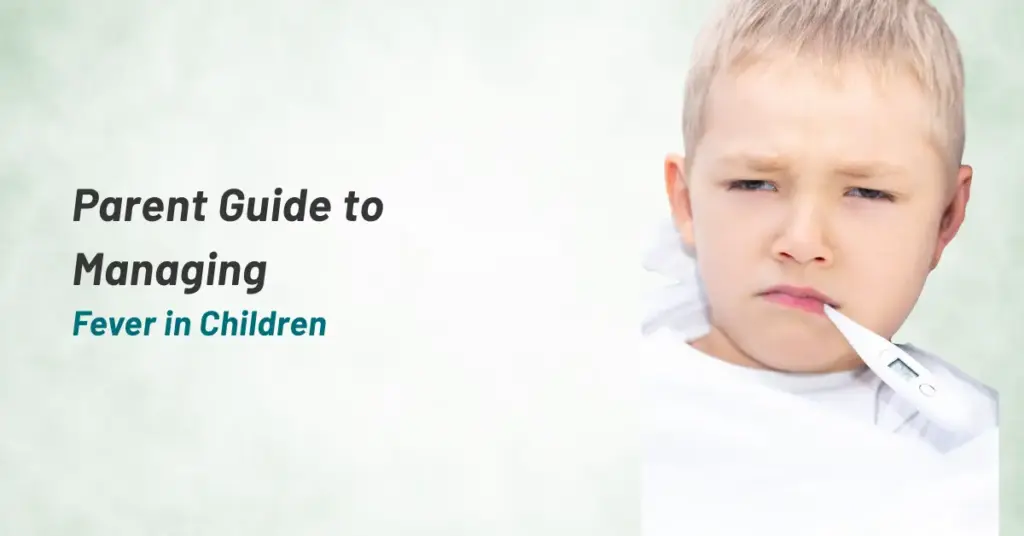
When your child suddenly feels warm, tired, or uncomfortable, it can be stressful for any parent. High fever in children is one of the most common reasons for concern, but understanding what it means and how to respond can make a big difference.
Fevers are extremely common in children. Fevers can happen when the child’s immune system is fighting off infections such as cold, cough, and ear infection. At the first sign of attack, the body’s defenses launch infection-fighting chemicals into the blood. It is important to remember fever is a symptom, much like a cough, runny nose, or a sore throat. How high the temperature reaches is not always the best indication of whether your child needs to be treated and/or evaluated. Instead, it is important to note how your child behaves and appears.
What Parents Should Know About High Fever in Children
High fever in children is usually considered when the temperature rises above 39°C (102.2°F). Most cases are caused by infections and improve with basic care, but parents should closely observe behavior, hydration, and warning signs.
What is Considered High Fever in Children?
A child is said to have a fever when:
- Oral temperature is above 37.5°C
- Rectal temperature is above 38°C
However, high fever in children is generally:
- Above 39°C (102.2°F) → High fever
- Above 40°C (104°F) → Needs immediate medical attention
It’s important to understand that the number alone doesn’t always indicate severity. A child’s activity level, alertness, and hydration matter just as much.
Ways to Check for a Fever
Babies and children often develop fever, meaning that their body temperature is higher than normal. It is not accurate to measure a child’s temperature just by feeling the skin with your hands. It is best measured by using a thermometer which can tell you if your child has a fever and how high the temperature is. The temperature can vary according to the part of the body where it is measured, so always take the temperature at the same place.
- Oral – The thermometer is inserted under the tongue, the mouth is closed and a reading is taken.
- Rectal – The thermometer is gently inserted into the rectum (child’s bottom) and a reading is taken. This is the most reliable way to check for fever.
- Armpit – The thermometer is placed under the armpit and the arm is held against the side of the body. The safest way to take a temperature is in the center of the armpit or axilla, with a digital thermometer. It’s important to insert the thermometer vertically to get a precise reading. This is an easy way to take an infant or a child’s temperature.
- Ear – A digital thermometer is inserted into the ear and a reading is taken.
What Type of Thermometer Should You Use?
If your child is younger than 3 years old, a rectal thermometer gives the most accurate reading. You can use an oral thermometer for older children.
Causes of High Fever in Children
- Viral infections (cold, flu, etc.)
- Bacterial infections (Pneumonia, ear infection, strep throat, etc.)
- Medications
- Allergies
- Inflammatory diseases
- Inflammatory bowel diseases
Symptoms of High Fever in Children
Observe the child carefully. A child with a fever will often appear ill. He/ She may:
- look flushed or pale
- feel hot or cool to the touch
- be fussy or groggy
- have “goosebumps”, shivers or tremors
- sweat and/or
- be thirsty
If your child’s temperature is over 37.5° C when measured orally or 38° C when taken rectally, then they are considered to have a fever. Depending on the age of your child and how high the temperature, you may want to allow nature to take its course. Several factors, including easing your child’s discomfort, will determine your next steps.
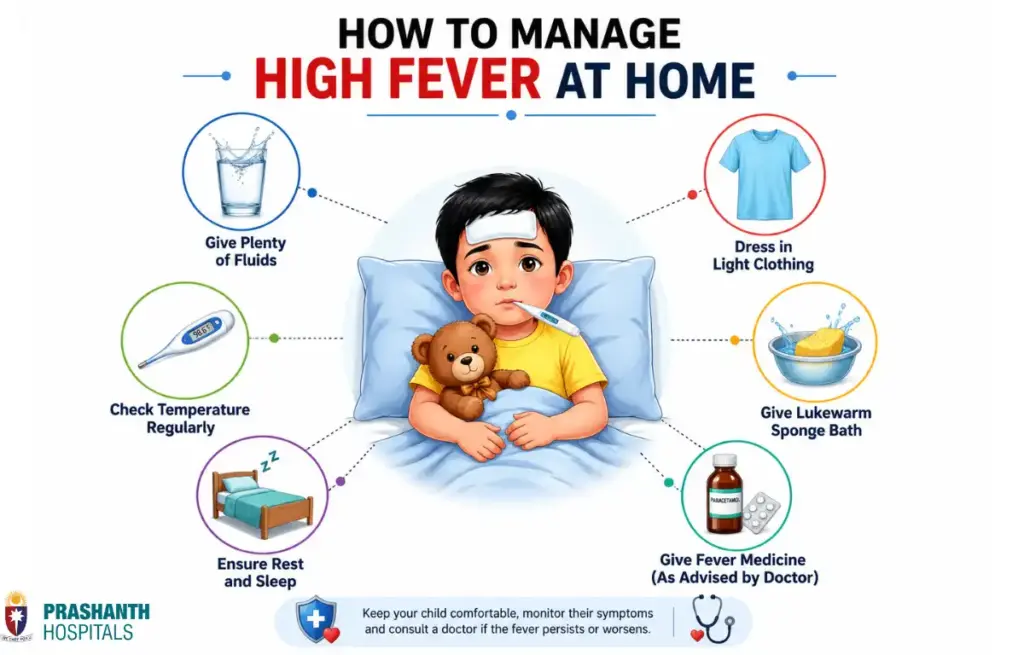
What to Do When Your Child Has High Fever
Other points to remember
- Dress your child lightly. Excess clothing will trap body heat and prevent the temperature from going down. You should avoid heavy blankets, a light sheet is ideal.
- Encourage your child to drink plenty of fluids.
- Give your child a lukewarm bath. Make sure the water doesn’t get cold. Do not allow your child to shiver from cold water, as this can raise his/her body temperature.
- Give them fever medicine. You can give your little one ibuprofen or acetaminophen based on the dosage recommendations for their age. You can also contact your doctor if you are unsure about the recommended dosage. Never give them aspirin.
When to Worry about High Fever in Children
If my child does have a fever, should I call the doctor?
If your child has a fever and is 3 months of age or younger, call the doctor just to be safe. It is a good idea to see the pediatrician if your child has a prolonged fever or frequent fevers.
Your child’s fever is probably not concerning if he/ she is eating and drinking well, alert and happy, playing, etc. Even if your child is not eating well, as long as they are eating something, taking in fluids, and urinating, chances are a trip to the emergency room isn’t necessary.
But immediate medical attention is necessary for certain situations. Call for immediate medical assistance if the child:
- cannot be awakened
- has severe breathing issues
- seems confused
- cannot walk or is struggles to move
- has blue lips, tongue, or nails
- has a very bad headache
- has seizures
Conclusion
High fever in children can feel overwhelming, but in most cases, it is the body’s natural way of fighting infection. The key is not just the temperature reading, but how your child behaves, eats, drinks, and responds.
All of this aside, a parent’s gut-check isn’t something to be ignored. There are no hard rules. Keep the above in mind when deciding on the next steps, but always seek the advice of a doctor if you’re just not sure what to do. You can expect the kid’s temperature or symptoms to get better with the tips mentioned above. If the fever doesn’t subside or if your child has other symptoms like vomiting, consult a doctor immediately. You can also talk to a pediatrician for other tips on easing fever symptoms.