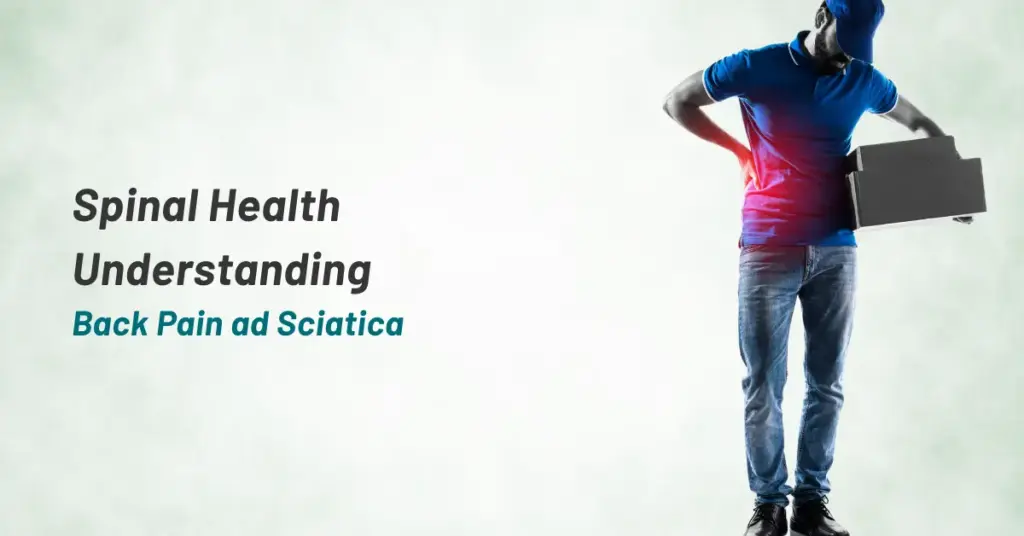
Did you know that nearly 80% of people will experience back pain at some point in their lives? In our fast-paced world, back pain and sciatica have become common health concerns that impact millions. These conditions not only cause discomfort but also affect mobility and quality of life. In this guide, we’ll delve into the causes, symptoms, and treatment options for back pain and sciatica, empowering you with the knowledge to manage and prevent these issues effectively while highlighting the importance of spinal health care.
Back Pain – Causes and Symptoms
Causes of Back Pain
- Muscle Strain: Back pain often arises from muscle strain, which can be caused by prolonged poor posture, heavy lifting, or sudden movements. These strains can lead to pain, discomfort, and stiffness. Many of these issues are also linked to sudden back pain causes that occur during daily activities.
- Herniated Discs: The spine has discs that act as cushions between vertebrae. When these discs bulge or rupture, they can press on nearby nerves, leading to sharp and intense pain. Proper spinal health care can help reduce the risk of such conditions.
- Arthritis: Conditions like osteoarthritis can affect the spine, causing inflammation, stiffness, and persistent back pain. Maintaining spinal cord health is essential in preventing long-term complications.
- Spinal Stenosis: This condition involves the narrowing of the spinal canal, which puts pressure on nerves, resulting in back pain and reduced mobility. It also directly impacts spinal cord health if not managed properly.
Symptoms of Back Pain
Back pain can present in various ways, including:
- A persistent dull ache
- Intermittent sharp, shooting pain
- Limited flexibility and movement
- Muscle spasms in the affected area
Recognizing these symptoms early and focusing on spinal health care can help prevent the condition from worsening.
Treatment Options for Back Pain
- Physical Therapy: Physical therapy involves targeted exercises to strengthen the back muscles and improve flexibility, which can help relieve pain and prevent future episodes. It plays a key role in improving spinal health care.
- Medications: Healthcare professionals may prescribe pain relievers or anti-inflammatory drugs to manage symptoms.
- Heat or Ice Therapy: Applying heat or ice to the painful area can help reduce inflammation and ease discomfort.
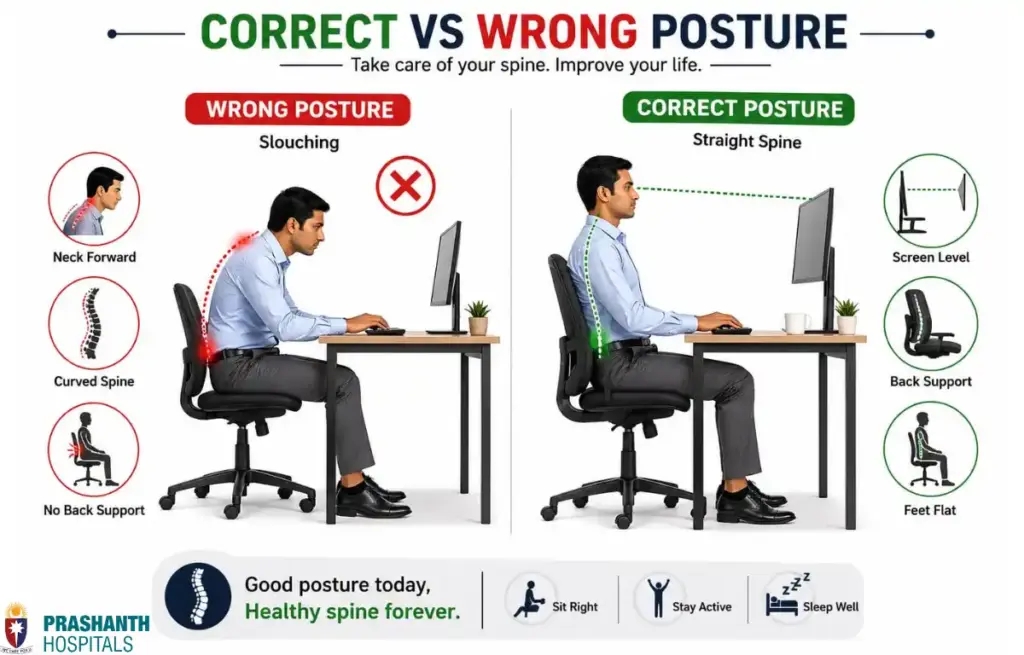
- Lifestyle Changes: Simple lifestyle adjustments, such as improving posture, maintaining a healthy weight, and avoiding prolonged sitting, can go a long way in providing long-term relief from back pain.
Sciatica – Causes and Symptoms
Causes of Sciatica
- Herniated Disc: Sciatica commonly occurs when a herniated disc places pressure on the sciatic nerve, leading to pain that radiates from the lower back down to the legs.
- Spinal Stenosis: Similar to back pain, spinal stenosis can also cause sciatica when the narrowing spinal canal compresses the sciatic nerve.
- Piriformis Syndrome: The piriformis muscle, located in the buttocks, can irritate the sciatic nerve if it becomes too tight or inflamed, resulting in sciatica symptoms.
- Spondylolisthesis: This condition occurs when one vertebra slips over another, potentially compressing nerve roots and leading to sciatica. Many of these are also associated with sudden back pain causes that need early attention.
Symptoms of Sciatica
- Sciatica can cause the following symptoms:
- Shooting pain that travels down the leg
- Numbness or tingling sensations in the leg
- Weakness in the affected leg
- Difficulty standing or sitting due to pain
Treatment Options for Sciatica
- Medications
Pain relievers, muscle relaxants, and anti-inflammatory medications can help manage sciatica symptoms. - Physical Therapy
Specific exercises are designed to relieve pressure on the sciatic nerve and improve flexibility, providing significant relief. - Epidural Steroid Injections
These injections reduce inflammation around the sciatic nerve, offering temporary relief from pain. - Surgery
In severe cases where other treatments fail, surgical intervention may be necessary to alleviate pressure on the sciatic nerve.
What is Spinal Health Care and Why It Matters
Spinal health care focuses on keeping your spine strong, flexible, and free from long-term damage. Your spine is not just a structure, it supports your entire body and protects the spinal cord, which controls movement and sensation.
Poor spinal care over time can lead to chronic pain and reduced mobility. This usually happens due to everyday habits like:
- Sitting for long hours with poor posture
- Lack of regular physical activity
- Sudden heavy lifting without support
- Excess body weight putting pressure on the spine
Taking care of your spine early helps you avoid long-term complications and maintain an active lifestyle.
Spinal Cord Health: What You Should Know
The spinal cord plays a critical role in connecting your brain to the rest of your body. It carries signals that control movement, balance, and sensation.
When spinal cord health is affected, you may notice symptoms that should not be ignored, such as:
- Numbness or tingling in arms or legs
- Weakness or reduced strength
- Difficulty with coordination
To maintain good spinal cord health, simple habits matter a lot. These include maintaining correct posture, staying active, and avoiding sudden jerky movements. Over time, these small steps protect nerve function and overall mobility.
How to Maintain Good Spinal Health
Maintaining spinal health is not complicated, but it requires consistency in daily habits. A healthy spine supports better movement and reduces the risk of pain.
You can improve spinal health by following simple steps like:
- Sitting upright with proper back support
- Staying physically active with regular exercise
- Using ergonomic furniture at work
- Maintaining a healthy body weight
These habits not only prevent back pain but also improve flexibility and long-term comfort.
Conclusion
Spinal health is fundamental to maintaining an active, pain-free lifestyle. Whether it’s back pain or sciatica, understanding the causes, recognizing symptoms, and exploring effective treatments are key to managing these conditions. Persistent back pain or sciatica symptoms should be evaluated by a healthcare professional to receive a personalized diagnosis and comprehensive treatment plan. Remember, prioritizing spinal health care is essential, as a healthy spine is the foundation of a healthy life, so take proactive steps to protect your spine.