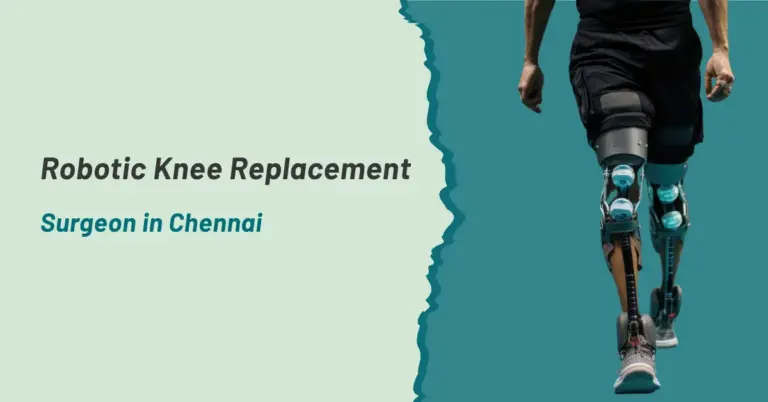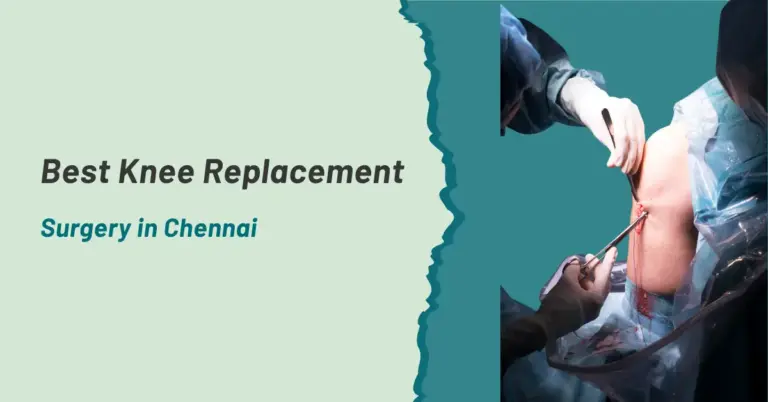
Joint replacement surgery is a transformative procedure for individuals suffering from severe joint pain, arthritis, or trauma. By improving mobility, alleviating pain, and enhancing independence, this surgery allows patients to regain their quality of life and resume activities that were previously impossible. In this blog, we’ll explore the importance of joint replacement, its benefits, and how understanding the benefits of joint replacement surgery can help patients make informed decisions for long-term health.
What is Joint Replacement Surgery?
Joint replacement surgery, also known as joint arthroplasty, involves replacing a damaged joint with a prosthetic made from materials like metal, plastic, or ceramic. The prosthetic joint is secured with bone cement or screws, and the surrounding tissue is repaired. This procedure can be performed on various joints, including the knees, hips, shoulders, and ankles, with knee replacement being one of the most common surgeries. In many cases, total joint replacement surgery is recommended when joint damage is severe and affects daily activities.
Benefits of Joint Replacement Surgery
Pain Relief
One of the key benefits of joint replacement surgery is significant pain reduction. Chronic joint pain from conditions like arthritis can limit daily life. After surgery, patients often experience lasting relief and improved comfort.
Improved Mobility
Replacing a damaged joint helps restore smoother and more natural movement. Activities such as walking, bending, and climbing stairs become easier. With rehabilitation, patients gradually regain strength and flexibility.
Increased Independence
Joint replacement allows individuals to manage daily tasks without depending on others. Simple activities like dressing, cooking, and walking become easier. This helps patients regain confidence and control over their routine.
Enhanced Quality of Life
Reduced pain and improved movement lead to better overall well-being. Patients can return to hobbies, social activities, and work. This creates a more active and fulfilling lifestyle.
Better Joint Stability
A replaced joint offers improved support and balance during movement. This reduces the risk of falls and instability. Patients feel more secure while performing everyday activities.
Faster Return to Activities
With proper physiotherapy and care, recovery progresses steadily. Many patients resume routine activities within a few weeks. This helps them return to normal life sooner.
Reduced Dependence on Medications
Chronic joint conditions often require long-term use of pain medications. After surgery, many patients can reduce or stop these medications. This lowers the risk of side effects from prolonged use.
Improved Mental Well-Being
Living with constant pain can affect mood and sleep. Relief after surgery often improves emotional health. Patients feel more positive, active, and engaged in daily life.
Long-Term Results
Modern joint implants are designed to be durable and long-lasting. With proper care and follow-up, results can last for many years. This provides sustained comfort and improved joint function.
Why is Joint Replacement Surgery Important?
The importance of joint replacement lies in its ability to address chronic pain and restore normal joint function. For individuals with severe arthritis, joint trauma, or conditions affecting joint health, surgery provides a path to a pain-free and active lifestyle. Without intervention, joint damage can lead to further complications, limiting mobility and quality of life.
Tips for a Successful Joint Replacement Surgery
Preparation and aftercare play a crucial role in the success of joint repair surgery. Follow these tips to ensure optimal outcomes:
- Consult Your Doctor
- Discuss your medications, allergies, and medical history.
- Understand the risks, benefits, and recovery timeline for the surgery.
- Make Lifestyle Changes
- Quit smoking, maintain a healthy diet, and exercise regularly to prepare your body for surgery.
- Achieve and maintain a healthy weight to reduce stress on your joints.
- Prepare for Recovery
- Arrange your home for post-surgery convenience, such as placing frequently used items within easy reach.
- Plan for physical therapy sessions to regain strength and motion.
- Follow Medical Advice
- Adhere to all pre- and post-operative instructions provided by your healthcare team.
- Take prescribed pain medications and follow up with your doctor as needed.
Life After Joint Replacement Surgery
The journey to recovery after joint replacement surgery involves several stages:
- Immediate Post-Surgery
- Pain management and physical therapy are initiated to restore strength and mobility.
- This phase focuses on reducing stiffness and regaining range of motion.
- Physical Therapy
- A structured physical therapy program is essential to improve flexibility, prevent complications, and rebuild muscle strength.
- Long-Term Care
- Regular exercise and a balanced diet are vital to maintaining joint health.
- Stay alert for signs of infection or inflammation and consult your doctor if needed.
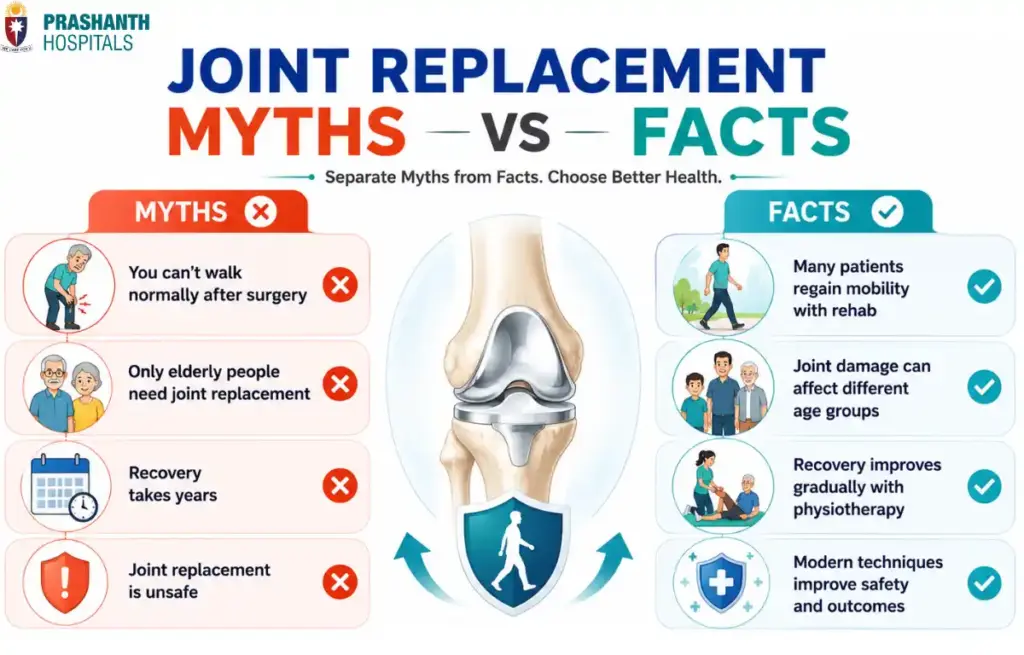
Many patients report being able to walk, run, and participate in activities they never thought possible. While recovery timelines vary, the benefits of joint replacement surgery far outweigh the temporary discomfort of the healing process.
Commonly Replaced Joints
Joint replacement is performed on various joints to address specific conditions:
- Knee Replacement: Addresses arthritis or trauma in the knee, providing significant pain relief and improved mobility. Patients often consider factors like knee joint replacement surgery cost before making treatment decisions.
- Hip Replacement: Common for arthritis or hip fractures, restoring the ability to walk and reducing chronic pain.
- Shoulder Replacement: Improves arm movement and reduces shoulder pain.
- Ankle and Elbow Replacements: Less common but equally effective for joint damage in these areas.
Advantages and Disadvantages of Joint Replacement Surgery
Advantages:
- Significant pain relief.
- Improved joint function and mobility.
- Enhanced independence and quality of life.
- Long-term durability of prosthetic joints.
Disadvantages:
- Potential risks, such as infection or blood clots.
- Long recovery times for some patients.
- Possible wear and tear of prosthetic joints over time.
It’s essential to discuss these factors with your surgeon to make an informed decision about your surgery, including considerations like knee joint replacement surgery cost and expected outcomes.
Empowering Patients: Informed Decisions
Patient education is vital for successful outcomes. By understanding the benefits of joint replacement surgery, the procedure itself, and the recovery process, patients can make informed decisions that align with their needs and goals.
At Prashanth Hospitals, our orthopedic team ensures that patients are equipped with the knowledge and support needed for a smooth recovery.
Why Choose Prashanth Hospitals for Joint Replacement?
Prashanth Hospitals is a leading provider of orthopedic care in Chennai, offering:
- Expert surgeons specializing in joint repair surgery and minimally invasive techniques.
- Advanced technology, including robotic-assisted joint replacements and total joint replacement surgery approaches.
- Comprehensive post-operative care, including physical therapy and rehabilitation.
Our team is dedicated to restoring mobility, reducing pain, and enhancing the overall quality of life for our patients.
Conclusion
Joint replacement surgery is a life-changing solution for individuals struggling with chronic pain and limited mobility. By understanding the advantages and disadvantages of joint replacement surgery and the benefits of joint replacement surgery, patients can achieve remarkable improvements in their quality of life. If you’re considering joint replacement surgery, consult the specialists at Prashanth Hospitals for personalized care and advanced treatment options.