Knee pain and stiffness can make walking, climbing stairs and daily tasks difficult, especially for people with arthritis or a worn out knee joint. When other treatments stop helping, knee replacement surgery may be advised. Robotic assisted knee replacement is one way of doing this surgery. The surgeon uses a robotic system for planning and for guidance during the operation. For patients looking for a robotic knee replacement surgeon in Chennai, this surgery is performed at Prashanth Hospitals by Dr. Arumugam S, orthopaedic surgeon. For a general overview of knee replacement types, costs and risks, see the knee replacement surgery in Chennai page.
Orthopaedic Surgeon at Prashanth Hospitals: Dr. Arumugam S
Dr. S. Arumugam is a Senior Consultant Orthopaedic Surgeon at Prashanth Hospitals, and his areas of practice include joint replacement. Patients looking for a robotic knee replacement surgeon in Chennai can consult him to discuss whether this surgery suits their knee condition.

| Details | Information |
|---|---|
| Name | Dr. Arumugam S |
| Designation | Senior Consultant Orthopaedic Surgeon |
| Qualifications | MBBS, D.Ortho, MS (Ortho), M.Ch (Ortho), Fellowship in Joint Replacement (Australia) |
| Areas of practice | Joint replacement of the knee and hip, spine correction, fracture care, arthroscopy and sports injuries |
| Hospital | Prashanth Hospitals, Chennai |
During consultation, he explains the treatment options, the surgical plan and the recovery process, so patients can make an informed decision.
What is Robotic Knee Replacement?
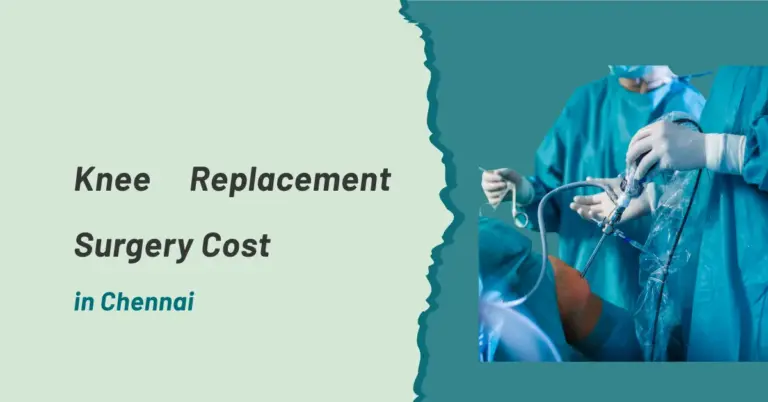
Robotic knee replacement (also called robotic assisted knee arthroplasty) is a form of knee replacement surgery. Planning software and a robotic system help the surgeon measure the knee and decide where the implant should sit. The surgeon performs the operation at all times. The robot does not operate on its own.
How It Works, Step by Step
- Planning The system builds a picture of the patient’s knee using scans or measurements taken during surgery. This helps the surgeon choose the implant size, alignment and the bone cuts needed.
- Guidance During Surgery During the operation, the robotic system helps the surgeon carry out the plan. It guides bone cuts or keeps instruments within set limits, while the surgeon stays in control.
- Implant Placement and Balancing The system helps the surgeon place the implant in the planned position and check that the ligaments around the knee are balanced for stability.
- Final Check Before closing the wound, the system can check alignment, gaps and movement of the new knee.
Types of Robotic Systems
- Some systems are active, where the robot makes the cut under the surgeon’s control. Others are semi active, where the surgeon makes the cut with robotic guidance.
- Prashanth Hospitals uses the VELYS Robotic Assisted Solution, a semi active system.
- Newer systems such as this one can plan without a CT scan before surgery, which means less radiation for the patient.
Benefits and Limitations of Robotic Knee Replacement
Possible Benefits
- Accurate alignment: Robotic guidance helps place the implant in the planned position. Good alignment is linked with how long a knee implant lasts.
- Bone and tissue saving: Controlled cuts may help preserve more healthy bone and soft tissue.
- Less disturbance to soft tissue: This may lead to less swelling and bleeding in some patients.
- Early movement: Early walking is encouraged after both robotic and conventional surgery, as advised by the surgical team.
- Plan suited to the patient: The system takes the patient’s own knee shape into account when planning implant position.
Limitations and Risks
- Cost: The system and its single use supplies can add to the overall cost, so it helps to ask for a written estimate that shows the difference.
- Learning curve: Surgeons need experience with the system, and early cases may take longer.
- Not suitable for every knee: Severely deformed knees or knees with past surgery may be harder to manage with robotic guidance.
- Equipment issues: Faults or calibration errors are rare but possible.
- Long term results still being studied: Early results are encouraging, and long term studies comparing robotic and conventional surgery are ongoing.
- Limited availability: Not every hospital has a robotic system.
- General surgical risks: Robotic surgery does not remove the general risks of joint replacement, such as infection, clots in the leg veins, a stiff knee and gradual implant wear. The surgeon explains these before the operation.
For suitable patients, the surgeon explains whether robotic surgery offers a real advantage over conventional surgery in their case.
Robotic Knee Replacement at Prashanth Hospitals
Patients looking for a robotic knee replacement surgeon in Chennai often want to know what facilities and support the hospital offers. At Prashanth Hospitals:
- Branch availability: Please confirm which branch offers robotic knee replacement before booking.
- Robotic system: The hospital uses the VELYS Robotic Assisted Solution for knee replacement, which can plan surgery without a CT scan.
- Surgical team: Surgery takes place in the hospital’s operation theatres, with anaesthesia, critical care and physiotherapy teams working together.
- Surgeon led care: Robotic knee replacement is performed by Dr. Arumugam S.
- Care before and after surgery: Counselling before surgery, a personal surgical plan, pain management and rehabilitation are part of the treatment.
Typical Patient Journey and What to Expect
1. First Consultation
The surgeon takes a detailed medical history, examines the knee and reviews X rays or MRI scans to judge how damaged the joint is. If robotic surgery is suitable, the surgeon discusses it as an option.
2. Planning Before Surgery
The surgical plan is prepared, and the surgeon explains it to the patient. Health conditions such as diabetes or high blood pressure are brought under control before surgery to lower risks.
3. Surgery Day
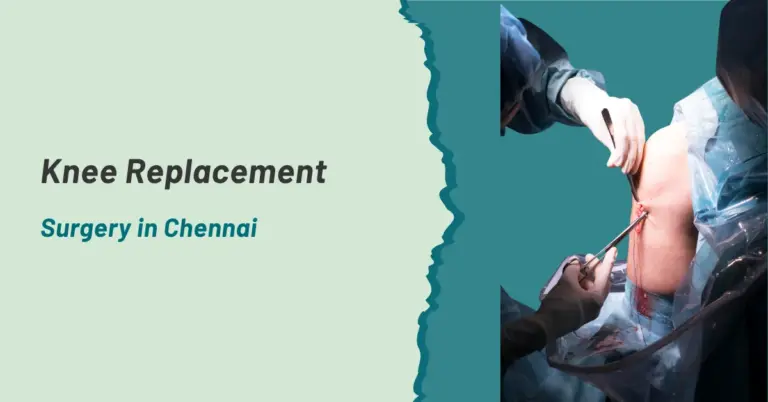
Surgery is done under spinal or general anaesthesia and often takes about 1.5 to 2 hours, depending on the knee. The robotic system guides the bone cuts and implant placement.
4. Care After Surgery and Rehabilitation
- Walking with support on day 1 or 2, along with physiotherapy
- Pain control
- Checks on swelling and wound healing
- Gradual strengthening and walking practice
5. Follow Up
Regular check ups and X rays help confirm that the implant is stable and working well, and help spot any problem early.
🎥 Watch What Dr. Arumugam Says About Robotic Knee Surgery


Conclusion
Robotic knee replacement gives surgeons an extra tool to plan and place a knee implant with accurate measurements. It is not right for every patient, and its long term benefits over conventional surgery are still being studied. Patients considering this option can meet a robotic knee replacement surgeon in Chennai to understand their choices. At Prashanth Hospitals, Dr. Arumugam S evaluates each patient and explains whether robotic or conventional knee replacement is the better fit.