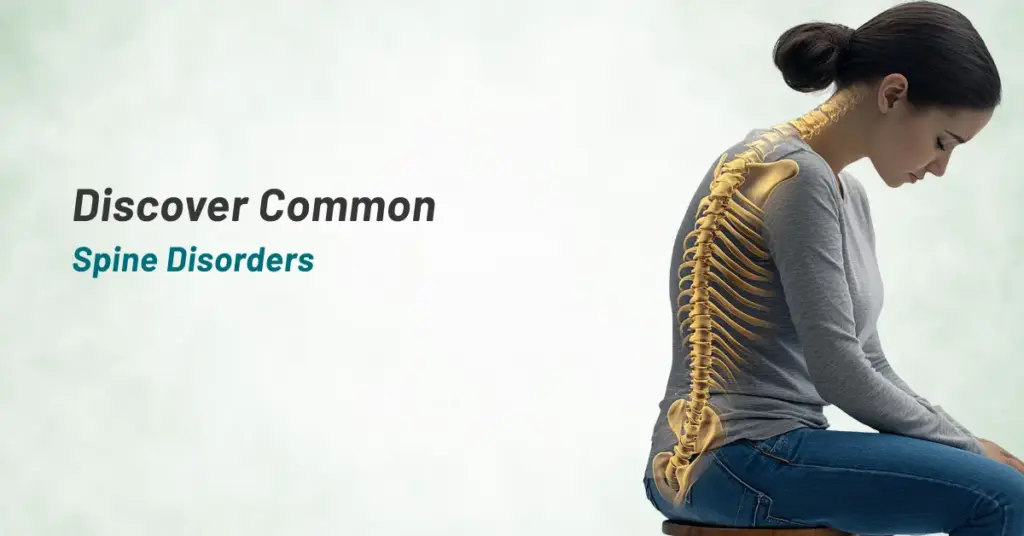
The spine is a central pillar of our body, supporting movement, flexibility, and protecting the spinal cord. However, its complexity also makes it susceptible to disorders. Globally, spine problems like low back pain are the leading cause of disability.
To better understand these conditions, reviewing a spine disorders list helps identify common issues, their causes, and how they can be managed effectively.
What Are Spine Disorders?
Spine disorders are conditions affecting the vertebrae, discs, nerves, or surrounding tissues, causing pain, stiffness, or reduced mobility. Common examples include herniated discs, scoliosis, and spinal stenosis.
The Anatomy of the Spine
The human spine is composed of vertebrae, discs, ligaments, muscles, and nerves. Its complexity allows it to provide both strength and flexibility, but it also makes it vulnerable to a wide range of conditions, including neurological spine disorders that affect nerve function and mobility.
Risk Factors
Spine disorders can result from various factors, including:
- Poor Posture: Consistent slouching or improper sitting can strain the spine.
- Improper Lifting Technique: Incorrectly lifting heavy objects can cause injuries.
- Obesity: Excess weight adds pressure to the spine, contributing to disc and joint problems.
- Repetitive Activities: Continuous strenuous activities or motion can wear out spinal structures.
- Underlying Conditions: Diseases like osteoarthritis or rheumatoid arthritis increase susceptibility.
- Lifestyle Habits: Smoking, inactivity, and inadequate calcium can weaken the spine.
Understanding these risks alongside a structured spine disorders list can help individuals take preventive steps early.
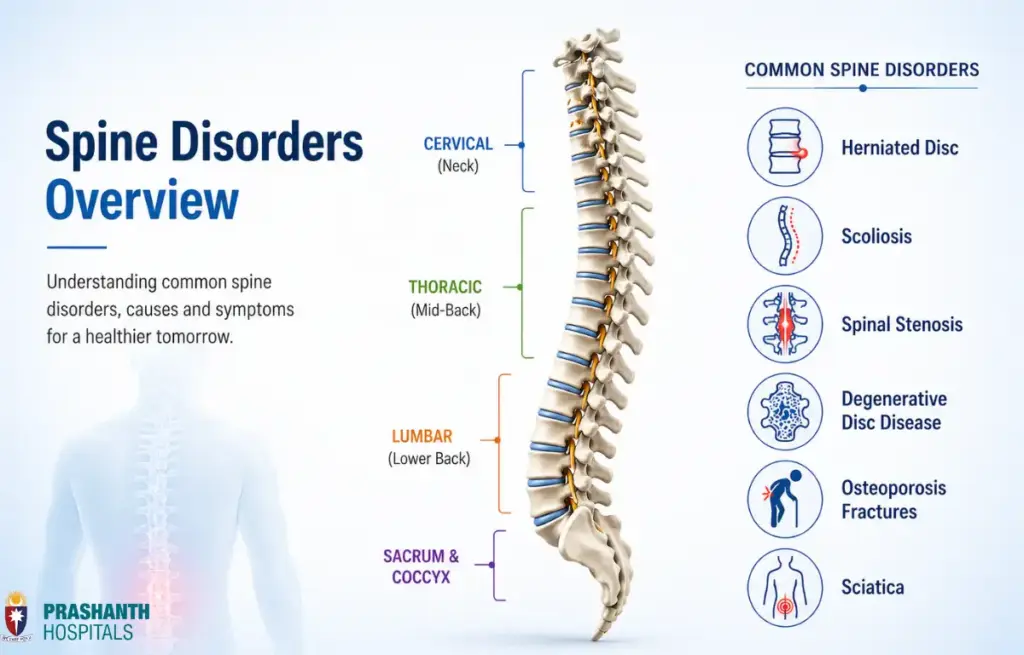
Common Spine Disorders
Spine disorders include a wide range of conditions that affect the bones, discs, nerves, and supporting structures of the spine. Some develop slowly with age, while others may appear due to injury or underlying health issues. Understanding these conditions can help patients recognize symptoms early and seek the right care.
Herniated Disc
A herniated disc occurs when the soft inner portion of a spinal disc pushes through its outer layer. This can irritate nearby nerves, leading to pain, numbness, or weakness—often in the lower back or neck. Many people experience relief with rest, physiotherapy, and posture correction.
Scoliosis
Scoliosis is a condition where the spine curves sideways instead of remaining straight. It often begins during adolescence, but adults can develop it as well. Mild cases may not cause symptoms, while more pronounced curves can affect posture and, in some cases, breathing.
Spinal Stenosis
Spinal stenosis refers to the narrowing of spaces within the spine, which can put pressure on the nerves. It is more common with aging. People may notice pain, tingling, or weakness, especially while walking or standing for long periods.
Degenerative Disc Disease
Despite the name, this is not a disease but a natural part of aging. Over time, spinal discs lose hydration and flexibility, which can lead to chronic back or neck pain. Symptoms often vary, and many individuals manage well with lifestyle changes and guided exercises.
Osteoporosis-Related Fractures
In conditions like Osteoporosis, bones become weaker and more fragile. This increases the risk of small fractures in the spine, known as compression fractures. These can cause sudden back pain and changes in posture, such as a stooped appearance.
Sciatica
Sciatica is not a condition itself but a symptom caused by irritation of the sciatic nerve. It typically leads to pain that travels from the lower back down one leg. The discomfort can range from mild to severe and often improves with non-surgical treatment.
Kyphosis
Kyphosis is an exaggerated forward curve of the upper spine, sometimes described as a rounded or hunched back. It may develop due to poor posture, aging, or spinal fractures. In many cases, early intervention can prevent progression.
Lordosis
Lordosis refers to an inward curve of the lower spine that is more pronounced than normal. While some curvature is natural, excessive lordosis can lead to discomfort or strain in the lower back, especially during prolonged standing.
Spinal Tumors
Spinal tumors are abnormal growths that can occur within or around the spine. These may be benign (non-cancerous) or malignant. Symptoms depend on the size and location but may include persistent pain, weakness, or changes in nerve function.
Ankylosing Spondylitis
Ankylosing Spondylitis is a long-term inflammatory condition that mainly affects the spine. It can cause pain and stiffness, especially in the lower back, and may gradually reduce flexibility over time. Early diagnosis and treatment can help control symptoms and maintain mobility.
Symptoms of Spine Disorders
Spine disorders can present in different ways depending on the area affected and the underlying condition. Some symptoms develop gradually, while others may appear suddenly. Paying attention to early signs can help in timely diagnosis and better outcomes.
- Persistent Back or Neck Pain: Ongoing pain in the lower back, upper back, or neck is one of the most common symptoms. It may feel dull, aching, or sharp, and can worsen with movement, prolonged sitting, or standing.
- Pain Radiating to Arms or Legs: Pain that travels from the spine to the arms or legs often suggests nerve involvement. For example, conditions like Sciatica can cause shooting pain down one leg.
- Numbness or Tingling: A “pins and needles” sensation in the arms, hands, legs, or feet may occur when nerves are compressed or irritated. This symptom should not be ignored, especially if it persists.
- Muscle Weakness: Weakness in the limbs can make it difficult to lift objects, walk steadily, or perform routine tasks. It may indicate nerve pressure or damage related to spinal conditions.
- Stiffness and Reduced Flexibility: Many people experience stiffness in the back or neck, especially after waking up or sitting for long periods. Over time, this can limit normal movement and affect daily activities.
- Difficulty Standing or Walking: Some spine disorders, such as Spinal Stenosis, can cause discomfort or weakness while standing or walking for extended periods. Symptoms may improve with rest.
- Changes in Posture: Visible changes like a hunched back, uneven shoulders, or abnormal spinal curvature may be signs of conditions such as Scoliosis or kyphosis.
- Loss of Balance or Coordination: In some cases, nerve compression can affect balance and coordination, making movements less stable and increasing the risk of falls.
Severe Symptoms Requiring Immediate Care
Certain symptoms need urgent medical attention, including:
- Sudden loss of bladder or bowel control
- Severe, unrelenting pain
- Rapidly worsening weakness or numbness
Cervical Spine Conditions
A cervical spine disorder affects the neck region and may cause stiffness, pain, and nerve-related symptoms. Recognizing cervical spine disorder symptoms such as neck pain, arm numbness, or tingling is important for early care. In some cases, a cervical spine disorder can also lead to reduced mobility and headaches.
Neurological Spine Conditions
Some conditions fall under neurological spine disorders, where nerve compression or damage leads to symptoms like weakness, coordination issues, or radiating pain. Early identification through a detailed spine disorders list can guide appropriate treatment.
Diagnosis and Treatment Approaches
Diagnosing spinal disorders often involves a combination of:
- Physical Examinations
- Medical History Analysis
- Imaging Tests: X-rays, MRIs, or CT scans are commonly used.
Treatment Options
- Conservative Treatments
- Physical Therapy: Targeted exercises to strengthen the spine and muscles.
- Medications: Pain relievers and anti-inflammatory drugs.
- Lifestyle Modifications: Weight management, posture correction, and quitting smoking.
- Invasive Treatments
- Injections: Steroid or nerve-block injections to alleviate pain.
- Surgery: For severe cases, procedures like spinal decompression or fusion may be necessary.
A well-structured spine disorders list also helps doctors determine the most suitable treatment pathway based on the condition.
Living with a Spine Disorder
Spine disorders can affect daily life, causing pain and limiting movement. Management often includes rehabilitation, pain control strategies, and supportive care. For individuals with neurological spine disorders, long-term monitoring may be necessary to maintain function and quality of life.
Advances in Spine Care
Modern spine care includes improved surgical techniques, advanced rehabilitation methods, and better pain management strategies. Reviewing an updated spine disorders list allows patients to stay informed about evolving treatment options.
Conclusion
Spine health plays a key role in overall well-being. Understanding conditions through a comprehensive spine disorders list, recognizing symptoms early, and seeking timely medical care can significantly improve outcomes. If symptoms persist, consulting a healthcare provider ensures proper diagnosis and personalized treatment.