Knee pain has a way of sneaking up on you. One day you’re climbing stairs without a second thought. The next, you’re holding the railing a little tighter and wondering if this is just what getting older feels like.
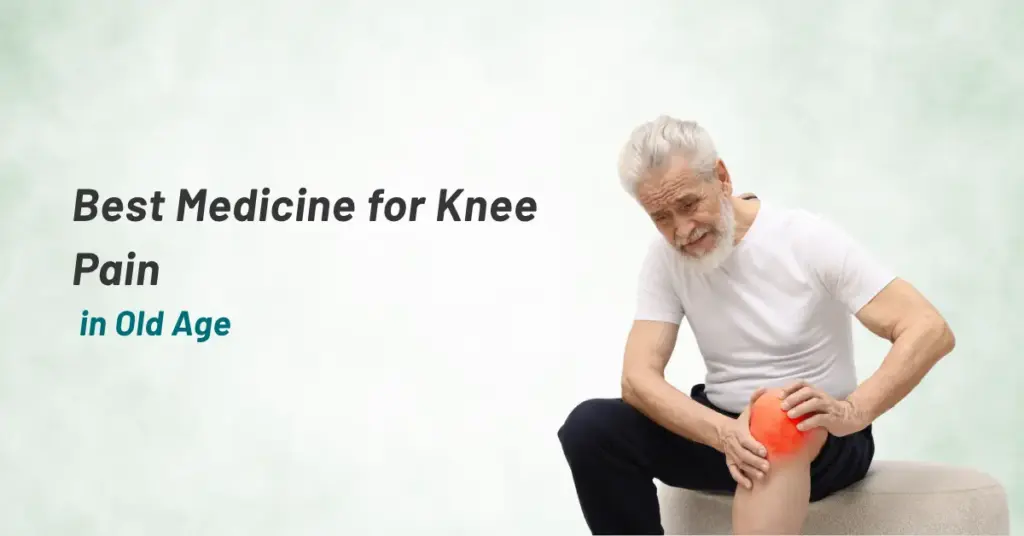
If this sounds familiar, you’re not alone. Most families dealing with an older parent or grandparent’s knee pain have the same question. What is the best medicine for knee pain in old age, and is it actually safe to take regularly?
This article is meant to help you understand your options, not to replace a doctor’s advice. Every senior’s body handles medicine differently, especially if there are other health conditions involved. Always check with a doctor before starting, changing, or combining any medicine.
This guide looks at what causes knee pain as we age, which medicines doctors commonly recommend, and the everyday habits that often matter just as much as any pill.
Why does Knee Pain Become More Common with age?
The knee is one of the hardest working joints in the body. It bends, twists, and carries your full body weight every time you stand, walk, or climb. Over decades, that adds up.
The most common reason for knee pain in older adults is osteoarthritis. This happens when the smooth cushion of cartilage between the bones in your knee slowly wears thin. Without that cushion, the bones rub closer together, which leads to stiffness, swelling, and pain.
A few other things add to the problem. Old injuries that never fully healed. Extra body weight putting more pressure on the joints. Weaker muscles around the knee, which give it less support. General wear from years of standing, walking, or physical work.
None of this means the pain has to be permanent. It just means the knee needs a bit more care and the right kind of support.
What’s the Safest First step Before Reaching for Medicine?
Before jumping straight to medicine, it helps to try a few gentle steps first. Many seniors find real relief just from small daily changes.
Rest the knee, but do not stop moving completely. Total bed rest can actually make stiffness worse. A short walk or a gentle stretch often helps more than sitting still all day.
Try ice for swelling, and heat for stiffness. Ice works well right after activity if the knee feels puffy or warm. Heat, like a warm towel or heating pad, helps loosen up a stiff joint in the morning.
Wear supportive footwear. Worn out shoes change the way weight lands on your knees. A pair with good cushioning can ease pressure with every step.
If the pain continues after a few days, that’s usually when medicine becomes part of the conversation.
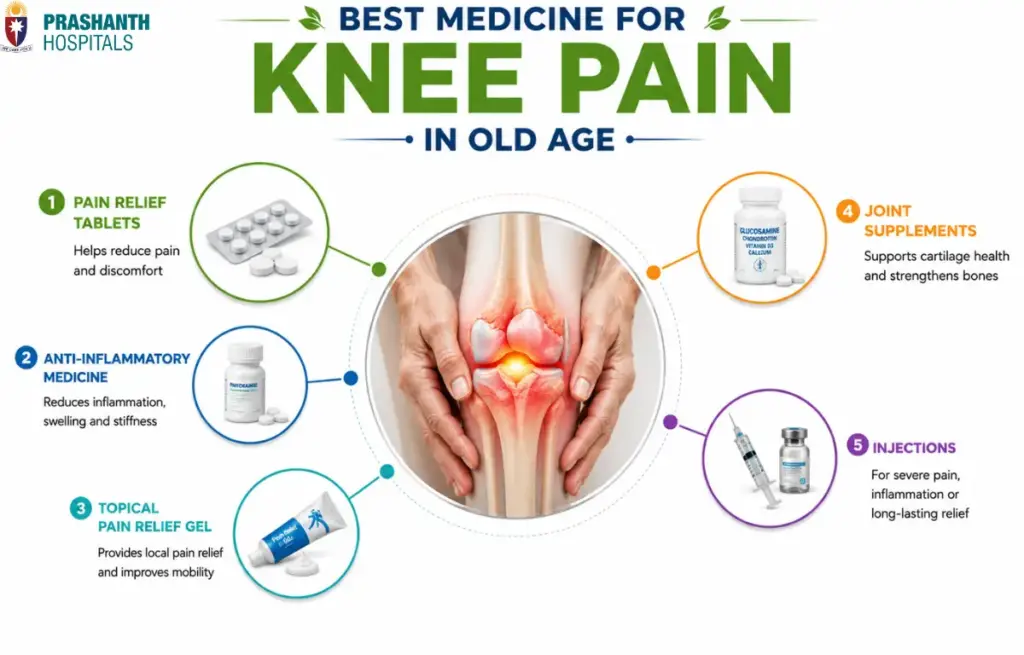
Best Medicine for Knee Pain in Old Age: What Doctors Usually Recommend
Topical Gels Often Come First for a Reason
Many current orthopaedic guidelines now place topical anti-inflammatory gels, like diclofenac gel, at the top of the list for older adults with knee osteoarthritis. The reason is simple. Applied directly to the knee, these gels reach the painful tissue without travelling through the whole body the way a tablet does. That means meaningful relief with far less strain on the stomach, kidneys, and heart, which matters a great deal for seniors managing other health conditions.
Topical gels need a few days of consistent use before the full benefit shows up. Many people apply it once, feel no change, and stop too early. Doctors usually recommend applying it as directed for at least several days before deciding whether it’s working.
Where Paracetamol Still Fits in
Paracetamol, also called acetaminophen, still has a place in care, particularly for mild pain or for seniors who cannot take NSAIDs at all due to kidney, heart, or stomach conditions. It’s gentle on the body in general, but it isn’t the strong first-line answer it was once considered to be. For deep joint pain from osteoarthritis, its effect tends to be modest.
A few safety notes matter here. Paracetamol shows up in a lot of cold, flu, and headache medicines too, so it’s easy to accidentally take more than intended without realizing it. Never go above the maximum daily dose your doctor recommends, and be especially careful if there’s any liver disease or regular alcohol use involved, since both raise the risk of liver strain.
Anti-inflammatory Tablets help, but Need Real Caution
Tablets like ibuprofen or naproxen, known as NSAIDs, reduce both pain and swelling and can be quite effective. But they come with more to think about in older age.
These medicines can affect the stomach lining, the kidneys, and even heart health, especially with long term use. They can also raise blood pressure and may interact with blood thinning medicines, which matters for seniors already managing heart conditions.
If a doctor recommends one of these, it’s usually at the lowest dose that still helps, taken with food to protect the stomach, and used for the shortest time needed rather than as a daily habit. This isn’t meant to scare anyone away from these medicines. They have real value. They just work best under a doctor’s guidance rather than picked up casually from a pharmacy shelf.
Injections for Stubborn Flare ups
When pain flares up badly and doesn’t respond to gels or tablets, a doctor may suggest a steroid injection directly into the knee. This can provide temporary relief lasting anywhere from several weeks to a few months. Doctors generally limit how often these injections are repeated, since frequent use over time may affect the joint’s cartilage.
Some patients may also be considered for hyaluronic acid injections, sometimes called gel injections, which aim to add cushioning back into the joint. These aren’t right for everyone, and a doctor would assess whether the knee is a good fit.
Other Medicines Worth Knowing About
Duloxetine, a medicine more commonly known for treating mood conditions, is sometimes prescribed for chronic knee osteoarthritis pain when NSAIDs aren’t suitable. It works differently from typical pain relievers and is decided entirely by a doctor.
For severe pain, doctors sometimes consider stronger prescription options like tramadol for a short period. These are used selectively in older adults, since seniors can be more sensitive to side effects like drowsiness, which raises the risk of falls. Current guidelines generally steer away from regular opioid use for long term osteoarthritis pain.
This is why self medicating with leftover prescriptions from a past injury, or from another family member, is not a safe shortcut. Choosing the best medicine for knee pain in old age really depends on the individual, so what worked for one person may not be safe for someone else.
How to Reduce Knee Joint Pain without Relying only on Medicine
Medicine works best as one part of the plan. Here are habits that genuinely help reduce knee joint pain over time.
Move gently every day. Walking, swimming, or simple stretching keeps the muscles around the knee strong, and stronger muscles take pressure off the joint itself.
Watch your weight, even small changes help. Every extra kilogram adds noticeable pressure on the knees with each step. Even modest weight loss can ease pain meaningfully.
Use a cane or knee brace if walking feels unsteady. This isn’t a sign of giving up independence. It’s a tool that protects the joint and helps you stay active longer.
Stretch in the morning before getting up. A few gentle ankle circles and knee bends while still in bed can ease that first stiff step of the day.
When is it time to see a doctor?
Home care and over the counter options work well for many people, but certain signs mean it’s time to get checked properly. See a doctor if pain lasts more than a couple of weeks despite rest and care, if there’s swelling, warmth, or redness around the knee, trouble walking or bearing weight, pain that wakes you up at night, or if medicines that used to help no longer seem to work.
These signs don’t always mean something serious, but they’re worth a proper check up rather than guesswork at home.
How Prashanth Hospitals can help
Knee pain in old age is common, but that doesn’t mean it should just be accepted as normal. With the right diagnosis and a personalized plan, most seniors find real, lasting relief and get back to moving comfortably. Our orthopaedic team will also help you understand the best medicine for knee pain in old age based on your specific health needs, not a one size fits all answer.
At Prashanth Hospitals, our team takes time to understand each patient’s full health picture, not just the knee. This means safer medicine choices, the right imaging if needed, and a treatment plan built around what actually works for your body and your daily life.
If knee pain has been slowing down a parent, grandparent, or even yourself, it’s worth getting it looked at properly.
Book an orthopaedic consultation at Prashanth Hospitals today.