Most people will experience back pain at some point in their lives. For some it comes after a long day at a desk. For others it builds slowly over months of poor posture or inactivity. And for some it arrives suddenly without any obvious cause.
Most cases of non-specific mechanical back pain improve with gentle movement and appropriate exercise. Staying still for long periods often makes this type of pain worse, not better. The right exercises for back pain relief, done consistently and with correct form, can reduce pain, improve flexibility, and help prevent flare-ups from returning.
One important note before you begin. These exercises are appropriate for general mechanical back pain caused by muscle tension, poor posture, or mild strain. Back pain is not all the same. Mechanical back pain, sciatica, spinal stenosis, and inflammatory back conditions each respond differently to exercise. If you are unsure which type of back pain you have, a physiotherapist or orthopaedic specialist can assess you and recommend the exercises most suited to your specific situation.
If your back pain shoots down your leg, comes with numbness or weakness in the leg or foot, or followed a fall or injury, see a doctor before starting any exercise programme. These symptoms may indicate a nerve or spinal problem that needs proper assessment first.
Why Movement Helps Back Pain
When the back hurts, the natural instinct is to rest. For the first day or two after a sudden flare-up, some rest is reasonable. But prolonged inactivity weakens the muscles that support the spine and often makes recovery slower.
Back pain frequently starts with tight or weakened muscles. The muscles along the spine, the hamstrings at the back of the thighs, and the core muscles of the abdomen all work together to keep the spine stable and moving freely. When any of these become tight or weak, they place uneven load on the spine, which contributes to pain.
Lower back exercises for pain relief work by loosening tight muscles, improving circulation to the spinal tissues, and gradually building the strength and stability the spine needs to function without discomfort. Both stretching and strengthening play a role, and combining the two produces better results than either approach alone.
Not All Back Pain Is the Same
Before starting any exercise programme for back pain, it helps to understand that different conditions require different approaches.
- Mechanical back pain is the most common type. It involves muscles, joints, and ligaments of the spine. It typically improves with movement, stretching, and strengthening. The exercises in this article are most appropriate for this type.
- Sciatica occurs when a nerve root in the lower spine is compressed, causing pain that travels down the leg. Some exercises that help mechanical back pain can worsen sciatica. A specialist assessment is important before exercising if leg pain is present.
- Spinal stenosis involves narrowing of the spinal canal. People with stenosis often find that leaning slightly forward relieves pain, while extending the back worsens it. Exercise choices need to reflect this.
- Inflammatory back pain caused by conditions like ankylosing spondylitis behaves differently from mechanical pain. It typically improves with movement but requires specific management under specialist supervision.
If you are not sure which category your back pain falls into, getting a diagnosis first will ensure you are doing the exercises most likely to help rather than harm.
Stretching Exercises for Back Pain Relief
These five stretches target the most common areas of tightness that contribute to lower back pain. Each one can be done at home on a mat or firm surface. Move slowly, breathe steadily, and stop if any stretch causes sharp or shooting pain.
1. Cat-Cow Stretch
How to do it: Start on your hands and knees with your wrists directly under your shoulders and your knees under your hips. Breathe in, let your belly drop gently toward the floor, and lift your head and tailbone upward into the Cow position. Then breathe out, round your back toward the ceiling, tuck your chin toward your chest, and draw your tailbone under into the Cat position. Move slowly and smoothly between the two for 8 to 10 breaths.
Why it helps: This is one of the most effective stretching exercises for back pain relief because it gently mobilises each segment of the spine. It warms up the spinal joints, releases tension in the back muscles, and improves the range of movement through the lower back. It is particularly useful first thing in the morning when stiffness is most noticeable.
2. Child’s Pose
How to do it: Kneel on the floor and sit back toward your heels. Extend both arms forward along the floor and lower your forehead to the ground. Hold for 20 to 30 seconds, breathing slowly. If your hips do not reach your heels comfortably, place a folded blanket between your thighs and calves for support.
Why it helps: Child’s Pose gently lengthens the muscles along the lower spine and stretches the hips. It provides a passive, supported stretch that reduces muscle tension and may temporarily reduce compressive loading across the lumbar spine. It is especially useful after prolonged sitting or standing.
Note: This stretch involves some forward flexion of the lumbar spine. If your back pain is associated with a disc condition and this position increases your pain or causes symptoms to travel into your leg, stop immediately and consult your doctor or physiotherapist before continuing.
3. Supine Hamstring Stretch
How to do it: Lie flat on your back with both knees bent and feet on the floor. Lift one leg and hold the back of your thigh with both hands, or loop a towel or strap around the sole of your foot. Slowly straighten the knee as much as is comfortable until you feel a gentle stretch in the back of the thigh. Keep your lower back flat on the floor throughout. Hold for 20 to 30 seconds, then switch legs.
Why it helps: Tight hamstrings may alter pelvic movement and contribute to mechanical stress on the lower back in some people. Stretching them regularly is an important part of lower back exercises for pain relief.
This version is performed lying flat on the back specifically to protect the lumbar spine. A seated forward bend, which is a common alternative, increases pressure on the lumbar discs and is not recommended for people with active lower back pain. The supine position keeps the lower back in a supported, neutral position throughout the stretch.
4. Piriformis Stretch
How to do it: Lie on your back with both knees bent and feet flat on the floor. Cross your right ankle over your left knee. Gently pull the left thigh toward your chest until you feel a stretch in the right buttock. Hold for 20 to 30 seconds, then repeat on the other side.
Why it helps: Tightness of the piriformis muscle may contribute to buttock pain in some people and can occasionally mimic sciatic-type symptoms. Stretching this muscle regularly can relieve tension in the buttock and hip area. True sciatica is more commonly caused by lumbar nerve root compression, so if you have pain travelling significantly down the leg, a medical assessment is needed to identify the actual cause.
5. Single Knee-to-Chest Stretch
How to do it: Lie on your back with both knees bent and feet flat on the floor. Bring one knee slowly toward your chest and hold it there with both hands for 20 to 30 seconds. Keep the other foot flat on the floor and keep your lower back relaxed. Release and repeat with the other leg.
Why it helps: This is one of the simplest and most accessible exercises for back pain relief. It gently stretches the lower back muscles and the muscles around the hip joint, releasing tension in the lumbar region.
Important note on the bilateral version: Pulling both knees to the chest at the same time forces the lumbar spine into deep flexion. For people whose back pain is related to a disc condition, this position can push disc material toward the nerve roots and worsen symptoms. The single-leg version is safer and is the recommended approach. Only progress to both knees simultaneously under the guidance of a physiotherapist who has assessed your specific condition.
Strengthening Exercises for Lower Back Pain
Stretching relieves tension, but strengthening builds the stability that prevents pain from returning. These three exercises target the core, glutes, and lower back, which are the primary muscles responsible for spinal support.
1. Pelvic Tilt
How to do it: Lie on your back with your knees bent and feet flat on the floor. Gently tighten your abdominal muscles and press your lower back flat against the floor by tilting your pelvis slightly upward. Hold for 5 seconds, then release fully. Repeat 10 to 15 times.
Why it helps: The pelvic tilt activates the deep abdominal muscles that form part of the core support system for the spine. These muscles are often underactive in people with lower back pain. This is one of the gentlest lower back exercises for pain relief and is appropriate even during mild to moderate pain episodes. It forms the foundation for more demanding core exercises introduced later in recovery.
2. Glute Bridge
How to do it: Lie on your back with your knees bent and feet flat on the floor, hip-width apart. Before lifting, gently draw your lower abdominal muscles inward and brace your core lightly, as if you are preparing for a gentle push. Keeping this brace engaged, press through your heels and lift your hips off the floor until your body forms a straight line from your knees to your shoulders. Hold for 2 to 3 seconds at the top without letting your lower back arch excessively, then lower slowly and with control. Repeat 10 to 12 times.
Why it helps: Glute strength contributes significantly to pelvic stability and spinal mechanics. When the glutes are weak, the lower back muscles compensate and become overloaded. Engaging the core before lifting is essential in this exercise. Without it, people tend to compensate by arching the lower back at the top of the movement, which compresses the facet joints and can trigger a pain flare-up. Bracing first protects the spine throughout the movement.
3. Bird-Dog
How to do it: Start on your hands and knees with your wrists under your shoulders and your knees under your hips. Engage your core gently to keep your back flat. Slowly extend your right arm forward and your left leg back at the same time, keeping your back level and your hips square to the floor. Avoid letting the hip of the raised leg rotate upward. Hold for 3 to 5 seconds, return to the starting position with control, and repeat on the opposite side. Do 8 to 10 repetitions on each side.
Why it helps: Bird-dog is commonly included in evidence-based core stabilisation programmes for chronic low back pain. It trains the deep muscles along the spine to coordinate and fire together, building the endurance and control that protect the spine during everyday movement. It also challenges balance without placing compressive load on the lumbar spine, making it suitable during recovery.
Exercises to Avoid During an Acute Flare-Up
Knowing what not to do during a pain episode is just as important as knowing the right exercises for back pain relief.
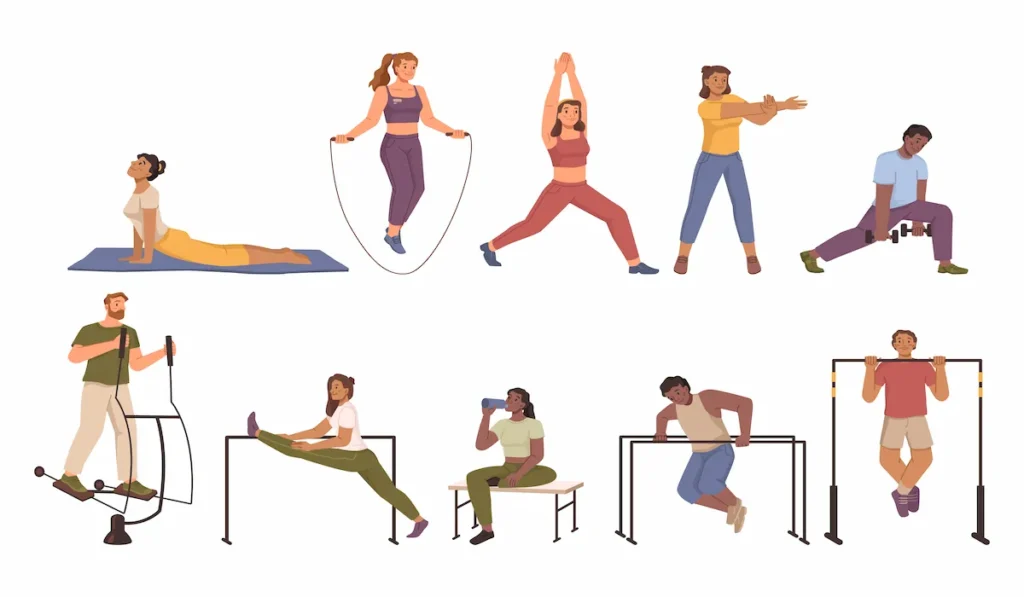
During an acute flare-up, avoid heavy squats and deadlifts until symptoms settle. Once pain has reduced and technique can be controlled, these exercises may be reintroduced gradually and are not permanently off-limits for most people.
Temporarily reduce high-impact activities such as running or jumping if they worsen your symptoms. Many people return to running without issue once the acute phase has resolved. The key is whether the activity aggravates your pain, not the activity itself.
Deep forward bending exercises beyond your comfortable range force the lumbar spine into positions that increase pressure on the discs and should be avoided during a pain episode.
Certain yoga poses that involve extreme backbends, loaded twisting, or forced forward folding are also better deferred until the back has recovered and appropriate guidance has been obtained.
If any exercise causes increased pain, sharp sensations, or pain that travels into the leg, stop immediately and consult a physiotherapist or orthopaedic specialist before continuing.
Safety Tips Before You Start
Warm up with five minutes of gentle walking or marching on the spot before beginning stretching or strengthening exercises. Move within a comfortable range. Stretching should feel like a gentle pull in the muscle, not pain in the spine. Breathe normally throughout each exercise. Holding your breath increases muscle tension and reduces the effectiveness of stretching. Be consistent. Short daily sessions of 15 to 20 minutes produce better results than one long session per week.
If you are pregnant, have had recent spinal surgery, or have a diagnosed disc condition, speak with your doctor or physiotherapist before starting any exercise programme, including the ones in this article.
When to See a Doctor for Back Pain
Most cases of non-specific mechanical back pain improve with movement, appropriate exercise, and time. But some symptoms need medical assessment without delay.
See a doctor promptly if your back pain:
- Shoots down one or both legs, particularly past the knee
- Comes with numbness, tingling, or weakness in the leg or foot
- Followed a fall, accident, or direct injury to the spine
- Is getting progressively worse despite rest and gentle movement
- Has lasted more than four to six weeks without meaningful improvement
- Comes with fever, unexplained weight loss, or night sweats
- Is accompanied by any change in bladder or bowel control
That last point requires emergency care. Loss of bladder or bowel control alongside back pain can indicate a serious spinal emergency called cauda equina syndrome. Do not wait for a routine appointment if this is present.
Back Pain Care at Prashanth Hospitals, Chennai
At Prashanth Hospitals, our Orthopaedics department sees patients across the full range of back pain conditions, from muscular strain and disc problems to sciatica, spinal stenosis, and inflammatory spine conditions. Our orthopaedic specialists and physiotherapy team work together to identify the cause of your back pain and recommend the right combination of exercise, physiotherapy, and medical treatment for your specific situation.
If back pain is affecting your daily life, your sleep, or your ability to work, a specialist assessment is worth having. Many conditions that seem manageable at home improve significantly with the right diagnosis and a structured, supervised treatment plan.
Book a consultation with our Orthopaedics team at Prashanth Hospitals today.