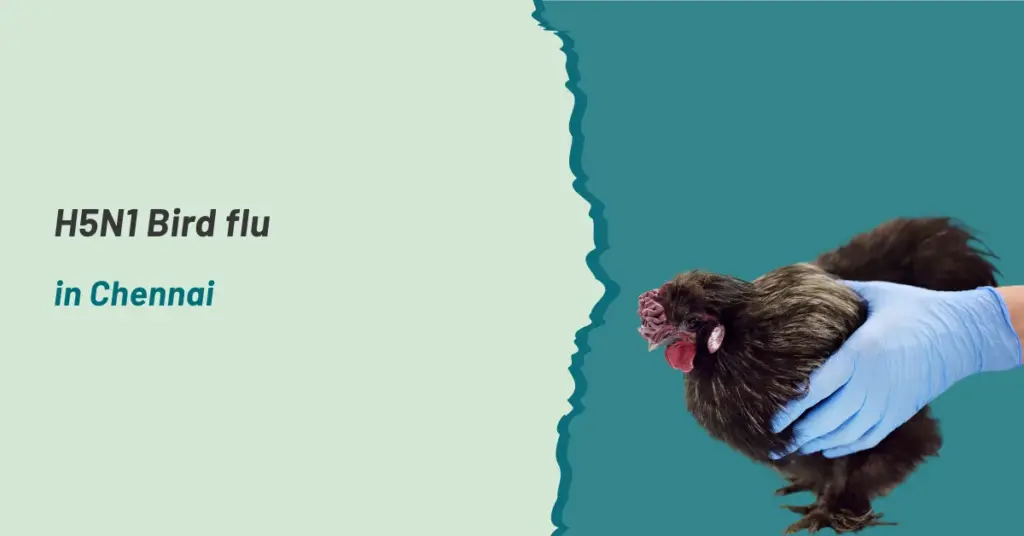
News about infectious diseases can cause understandable worry, especially when headlines mention outbreaks close to home. Recently, reports about H5N1 bird flu in Chennai have raised concerns among families. Many people are unsure how serious the situation is, whether food is safe, and what precautions are truly necessary.
It is important to stay informed without panicking. Health authorities monitor outbreaks closely and issue guidelines when needed. This article explains what H5N1 is, how it spreads, what symptoms to watch for, and how to protect your family. If you feel unwell or have concerns after possible exposure, it is always wise to consult a qualified doctor for proper guidance.
What Is H5N1 Bird Flu?
H5N1 is a type of influenza virus that mainly affects birds, especially poultry such as chickens and ducks. It is often referred to as avian influenza or bird flu. While the virus spreads easily among birds, human infection is uncommon.
When people do become infected, it is usually after close contact with infected birds. This means handling sick poultry, working on farms during outbreaks, or being exposed to contaminated surfaces. Casual exposure, such as walking past a poultry shop, carries much lower risk.
With recent discussions about H5N1 bird flu in Chennai, many families worry that it spreads like seasonal flu. It does not. Unlike common flu viruses, H5N1 does not easily pass from person to person. Health departments continue to track and manage the situation carefully to reduce risks.
How Does H5N1 Spread?
The virus primarily spreads among birds through saliva, nasal secretions, and droppings. In poultry farms, infection can move quickly from one bird to another.
Humans may become infected through:
- Direct contact with sick or dead birds
- Handling raw poultry in outbreak settings
- Touching contaminated surfaces and then touching the mouth, nose, or eyes
So far, person-to-person spread has been very rare. This is an important point during the current H5N1 Virus scare in Chennai. Most people are not at risk unless they have close exposure to infected poultry.
For example, a poultry worker handling birds during an outbreak has higher risk compared to a customer buying packaged chicken from a regulated store. Public health measures focus on controlling outbreaks at the source to protect the wider community.
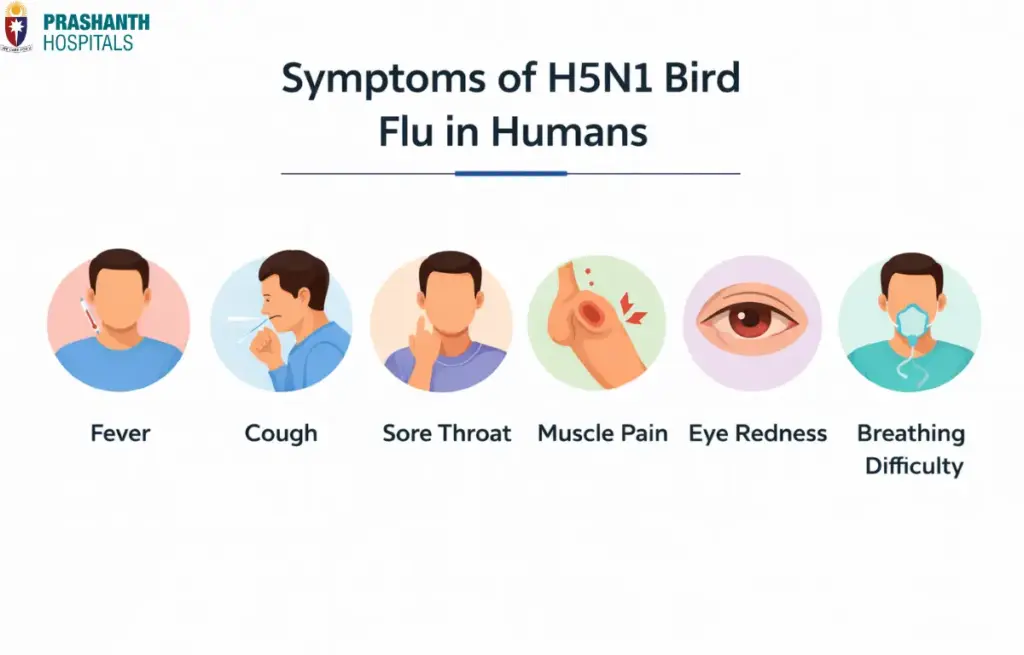
H5N1 Virus Symptoms
Symptoms of H5N1 infection may resemble severe flu. These can include:
- High fever
- Cough
- Sore throat
- Muscle or body aches
- Headache
- Shortness of breath
- Chest discomfort
- Diarrhea in some cases
Symptoms can appear within a few days after exposure. However, most fevers during this season are not related to H5N1 bird flu in Chennai. Common viral infections remain far more frequent.
If you develop flu-like symptoms after close contact with sick poultry, consult a doctor promptly. Early medical evaluation helps guide appropriate care.
Public Safety Guidelines – What You Should Do
During the ongoing H5N1 Virus flu alert in Chennai, basic precautions are usually enough for most families. Avoid handling sick or dead birds. Do not visit farms or areas under official restriction. Wash hands thoroughly after handling raw meat. If you work in poultry farming or live near affected areas, follow local health advisories strictly. Use protective gear if advised by authorities. Parents should remind children not to touch stray birds or animal carcasses.
It is also important to rely on verified information. Rumors and social media messages often exaggerate risks. The presence of H5N1 bird flu in Chennai does not mean community spread is happening widely. Staying calm and following official guidelines protects both individuals and the community. If you experience persistent fever or breathing difficulty, especially after poultry exposure, seek medical attention without delay.
Should You Stop Eating Chicken and Eggs?
One of the most common questions during the H5N1 Virus scare in Chennai is whether chicken and eggs are safe to eat. The good news is that properly cooked poultry and eggs are considered safe.
Heat destroys the virus. Cooking chicken thoroughly and ensuring eggs are well-cooked eliminates risk. There is no evidence that eating fully cooked poultry causes infection.
Avoid raw or undercooked meat. Do not consume half-boiled eggs during outbreak periods. Buying meat from licensed and inspected sources reduces additional risk. In previous outbreaks of H5N1 bird flu in Chennai, food safety experts consistently emphasized proper cooking rather than complete avoidance of poultry. Balanced decisions based on evidence are more helpful than fear-driven choices.
Safe Ways to Consume Non-Vegetarian Foods During Bird Flu Scare
To reduce risk further, follow these simple kitchen hygiene practices:
- Wash hands before and after handling raw meat
- Keep raw poultry separate from other foods
- Use separate cutting boards for meat and vegetables
- Cook chicken until juices run clear and no pink areas remain
- Ensure eggs are fully cooked, not runny
- Clean kitchen surfaces with soap and water
- Store meat at appropriate refrigeration temperatures
These precautions are useful not only during H5N1 Virus bird flu alert in Chennai, but also for preventing other common food-borne infections.
Conclusion
Reports about H5N1 bird flu in Chennai can understandably create anxiety. However, awareness and sensible precautions are usually enough to protect your family. The virus mainly spreads among birds, and human infection remains uncommon.
Avoid direct contact with sick poultry. Cook chicken and eggs thoroughly. Follow official health updates instead of rumors. If you develop symptoms after confirmed exposure, consult a qualified doctor promptly for evaluation. For families seeking reliable medical guidance during public health concerns, healthcare institutions such as Prashanth Hospitals provide structured care and professional advice.