There is a moment many people experience somewhere in their 30s or 40s. You look in the mirror and notice that your face seems more tired than you feel. Fine lines have appeared. Your skin has lost some of the bounce it used to have. And suddenly you find yourself wondering what you can actually do about it.
The good news is that how to look younger is not about expensive procedures or dramatic changes. For most people, it comes down to a handful of consistent daily habits, the right skincare ingredients, and a few lifestyle shifts that your skin will respond to visibly over time.
This guide covers what actually works, backed by dermatology and used by doctors worldwide.
Why Skin Ages in the First Place
Before diving into solutions, it helps to understand what is actually happening to your skin as you get older.
Your skin has a protein called collagen that keeps it firm, plump, and smooth. Starting from your late 20s, your body begins to produce less of it every year. By the time you reach your 30s, collagen loss accelerates and skin elasticity starts to visibly reduce. The result is thinner skin, fine lines and wrinkles, and a loss of that natural fullness younger skin has.
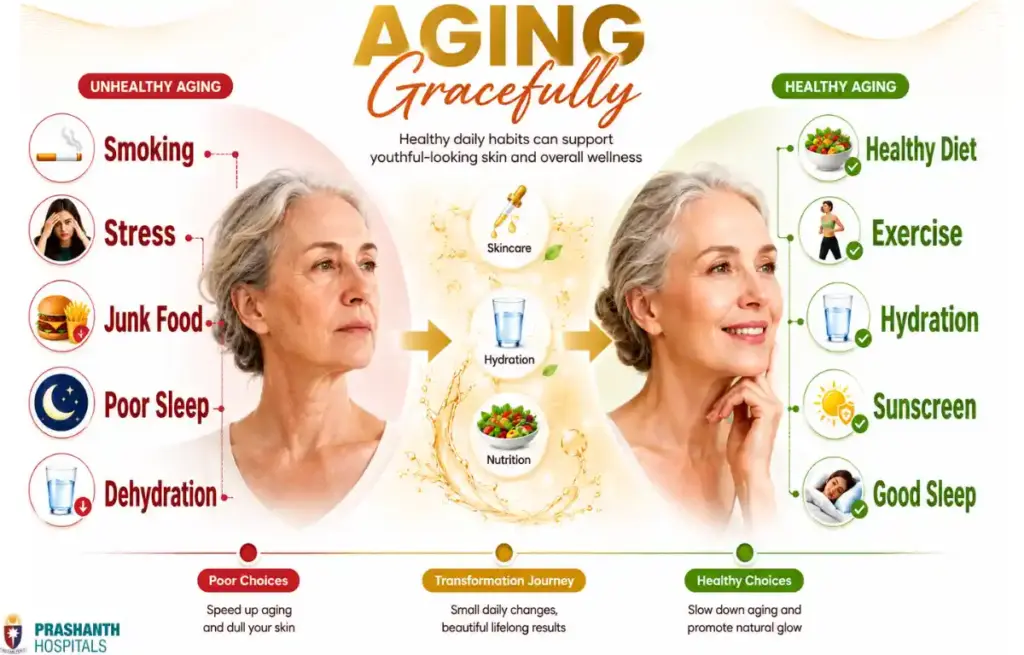
Two things speed this process up significantly. The first is sun exposure. Ultraviolet rays break down collagen faster than almost anything else. The second is lifestyle factors like smoking, poor sleep, chronic stress, and a diet high in sugar. These trigger oxidative stress in the body, which damages skin cells and accelerates premature ageing.
The reverse is also true. The right habits genuinely slow this process down and, in many cases, visibly improve how your skin looks over time.
Take Care of Your Skin With the Right Ingredients
If you want to know how to look younger, your daily skincare routine is the most direct lever you have.
You do not need ten products. You need a few that actually do something meaningful for your skin. Here is what dermatologists consistently recommend:
Retinol for Skin Cell Turnover
Retinol is a form of Vitamin A and one of the most well-researched anti-ageing skincare ingredients available. It works by speeding up skin cell turnover, which means old, dull cells are replaced faster and your skin looks fresher. It also stimulates collagen production, which helps firm the skin and reduce the depth of existing fine lines over time.
If you are new to retinol, start with a low-strength product used two to three times a week. Some people experience mild dryness or sensitivity in the beginning. This is normal. Use a good moisturiser alongside it and build frequency gradually. Always consult a dermatologist before starting, as retinol is not suitable for everyone. Pregnant or breastfeeding women in particular should avoid retinol products unless a doctor has specifically advised otherwise.
Hyaluronic Acid for Skin Hydration
As skin ages, it loses its ability to hold onto moisture. Hyaluronic acid is a naturally occurring substance in the body that binds water to the skin and keeps it looking plump and smooth. As we age, our levels of it fall, which is why skin can look sunken or dull even when you are not tired.
Using a serum or moisturiser with hyaluronic acid helps restore that surface hydration visibly and quickly.
Vitamin C Serum for Brightness and Protection
A Vitamin C serum applied in the morning protects the skin against free radicals generated by UV exposure and pollution. It also brightens uneven skin tone, reduces dark spots, and supports the skin’s natural collagen production. Applied before sunscreen, it gives your skin a strong daily defence.
Avoid Sun Exposure and Always Wear Sunscreen
Sun damage is the single leading cause of early skin ageing. Tanning, which many people associate with a healthy look, actually accelerates wrinkles, dark age spots, and causes thick, damaged skin over time. UV rays break down collagen and trigger the kind of oxidative stress that no skincare product can fully undo after the fact.
Wearing broad-spectrum sunscreen with at least SPF 30 every day is non-negotiable if you are serious about how to look younger than your age. SPF 30 blocks around 97% of UVB rays, though no sunscreen blocks 100% of UV rays, which is why reapplication and protective clothing still matter. For longer periods outdoors, SPF 50 offers a small additional layer of protection. Apply it 20 minutes before stepping out, and reapply every two to three hours if you are sweating or spending extended time in the sun.
Do not forget your neck, hands, and ears. These areas show sun damage just as clearly as your face and are often overlooked.
Commit to a Cleansing and Exfoliation Routine
We need to take care of our skin as we age and commit to a proper cleansing and exfoliation routine. Cleansing removes the daily buildup of sweat, pollution, and product residue that sits on your skin. If left overnight, this buildup blocks the natural renewal process your skin goes through while you sleep.
Exfoliation removes dead skin cells from the surface, which not only reveals brighter skin cells underneath but also allows your other skincare products to absorb more effectively. Regular exfoliation encourages your skin to produce more collagen and supports new cell growth over time. This gradually reveals the brighter skin beneath, adding a natural shine and vibrancy to your appearance.
Gentle is the key word. Over-exfoliating damages the skin barrier and causes more harm than good. Once or twice a week is enough for most skin types.
Prioritise Sleep Every Single Night
Sleep is one of the most underestimated tools for how to look younger naturally. During deep sleep, your body enters repair mode. Growth hormones are released that stimulate collagen production and skin cell turnover. This is why it is called beauty sleep. It is not just a phrase.
Consistently getting insufficient sleep not only exhausts you but also has a measurable impact on your health and your appearance. It promotes inflammation, increases cortisol levels, and accelerates the kind of cellular breakdown that shows up as dull, puffy, and aged-looking skin.
Most doctors recommend between 7 and 8 hours of sleep per night in order to maintain proper bodily function. If you are regularly sleeping less than this, you are quite literally reducing the amount of skin repair your body gets to do each night. Beyond skin, better sleep allows you to be more physically active, reduces stress levels, and noticeably decreases visible signs of ageing over time.
Consume More of the Right Foods
What you eat every day shows up on your skin over time. If you want to know how to look younger naturally, your plate is part of the answer.
Omega-3 Fatty Acids
Omega-3 fatty acids, found in salmon, walnuts, flaxseeds, and mackerel, help reduce the overall level of inflammation in your body. They maintain skin strength, support cell membrane health, and prevent some of the visible signs of ageing by keeping skin hydrated from within. If preserving a youthful appearance is your concern, increasing your intake of omega-3-rich foods is a simple and evidence-backed starting point.
Antioxidant-Rich Foods
Free radicals from pollution, UV exposure, and processed food attack skin cells and break down collagen. Antioxidants neutralise free radicals before they cause lasting damage. Beta-carotene, lutein, lycopene, selenium, and vitamins A, C, D, and E are all powerful antioxidants that support youthful skin from the inside.
Foods worth adding to your daily diet include berries, tomatoes, beetroot, spinach, broccoli, guava, papaya, walnuts, and rajma. The more colour on your plate, the broader the antioxidant range you are giving your skin.
Cut Back on Sugar
This one is less obvious but important. Too much sugar accelerates a process called glycation, where sugar molecules attach to collagen fibres and break them down. The result is skin that loses its firmness and develops wrinkles faster than it otherwise would. Reducing sugary drinks, white bread, and processed snacks is one of the more impactful dietary changes you can make for long-term skin health.
Minimise Stress Levels
Chronic stress triggers a hormone called cortisol, which directly breaks down collagen in the skin. Over time, consistently high cortisol levels cause the skin to thin, lose elasticity, and age more visibly. The same way that stress can eat away at our minds, it can eat away at our skin too.
Stress also affects the parts of the brain involved in memory and mood. When you are under an unhealthy amount of ongoing pressure, brain cells suffer, which in turn affects sleep quality, immune function, and yes, how your skin looks.
Practical ways to reduce stress for skin health include regular physical activity, breathing exercises, spending time outdoors, and getting consistent sleep. None of these cost anything, and each one has both mental and physical benefits that show up over time.
Exercise Regularly for Better Circulation
Exercise improves blood circulation throughout the body, which means skin cells receive more oxygen and nutrients. Exercise also promotes circulation and may help support healthier skin function when combined with proper cleansing after workouts. Over time, people who exercise regularly tend to have skin that looks more even, more hydrated, and more vibrant compared to those who are sedentary.
You do not need intense gym sessions. A 30-minute walk every day, yoga, swimming, or cycling all deliver meaningful benefits for your skin and overall health. Exercise also reduces stress, supports better sleep, and helps maintain a healthy weight, all of which contribute to how to look younger than your age in a visible and lasting way.
Stop Smoking for Good
Smoking is one of the fastest ways to age your skin. Tobacco narrows the blood vessels in the outer layers of the skin, which reduces blood flow and deprives skin cells of oxygen and nutrients. It also directly damages collagen and elastin, the two proteins that give skin its firmness and elasticity.
People who smoke tend to develop deeper wrinkles around the mouth and eyes earlier. Their skin often looks grey, dull, and uneven compared to non-smokers of the same age. Quitting smoking is one of the most powerful things you can do for your skin health, and the body begins to repair some of this damage within weeks of stopping.
Stay Hydrated Every Day
Skin hydration is closely tied to how plump, smooth, and youthful skin looks. When your body is dehydrated, skin cells lose their fullness, fine lines appear more pronounced, and the skin looks flat and tired. Drinking at least 6 to 8 glasses of water daily supports the skin’s ability to maintain its natural bounce and clarity.
You can also improve your results by staying well hydrated, which supports normal body functions and healthy skin hydration, and deliver better nutrients to your skin. Beyond plain water, foods with high water content like cucumber, watermelon, and oranges also contribute to overall skin hydration.
How to Look Younger Naturally With Lifestyle Changes That Add Up
Many of the things that make the biggest difference to how your skin ages are not products at all. They are daily choices. Going to bed an hour earlier. Swapping a sugary drink for water. Taking a 20-minute walk. Applying sunscreen before leaving the house. These things feel small in the moment but accumulate into a visible difference over months and years.
How to look younger is not a single answer. It is a combination of consistent habits that work together. Prevention, as anyone in dermatology will tell you, is far more effective than trying to correct damage after it has already happened.
When to See a Dermatologist
Home care and lifestyle habits take you a long way. But there are times when professional help makes a real difference.
If you are concerned about persistent pigmentation, significant sun damage, deep lines, or skin changes you cannot explain, a dermatologist can assess your skin properly and recommend treatments suited to your specific needs. Options like chemical peels, microneedling, and targeted prescription skincare can produce results that over-the-counter products alone cannot achieve.
Our dermatologists at Prashanth Hospitals offer both non-surgical cosmetic procedures and personalised skincare consultations. If you have tried various approaches and want expert guidance on how to look younger with a plan built around your skin type and age, book an appointment with our team in Chennai today.