
Every day, your mind helps you make decisions, solve problems, manage emotions, build relationships, and adapt to life’s changing circumstances. Yet mental health is often overlooked until stress, anxiety, burnout, or emotional exhaustion begin to affect daily life.
Mental and emotional well-being is more than the absence of a mental health condition. It reflects your ability to think clearly, handle stress, maintain meaningful relationships, recover from setbacks, and enjoy life despite its challenges. Just as eating nutritious food and staying physically active strengthen the body, healthy daily habits can improve emotional resilience and support long-term mental wellness.
The encouraging news is that mental well-being can be nurtured throughout life. Small, consistent actions, such as staying active, getting enough sleep, practicing mindfulness, and seeking support when needed, can make a meaningful difference over time.
In this guide, we’ll explore why mental health matters, how mental and emotional well-being influence everyday life, practical ways to strengthen your mental wellness, and when additional support or a mental wellness retreat may be worth considering.
Understanding Mental and Emotional Well-Being
Although the terms mental well-being and emotional well-being are often used interchangeably, they describe different aspects of overall health. Together, they influence how we think, feel, and respond to everyday experiences.
Mental well-being refers to how effectively your mind functions. It includes your ability to concentrate, learn, solve problems, make decisions, and adapt to change. Good mental well-being allows you to remain productive, think clearly, and approach challenges with confidence.
Emotional well-being, on the other hand, focuses on understanding and managing emotions. It involves recognizing your feelings, coping with stress in healthy ways, building resilience, and maintaining positive relationships with others.
Rather than existing separately, these two aspects of health constantly interact. Emotional stress can make it harder to focus or make decisions, while poor mental health can influence mood, motivation, and relationships. Supporting one often strengthens the other.
| Mental Well-Being | Emotional Well-Being |
| Clear thinking and decision-making | Recognizing and managing emotions |
| Concentration and learning | Coping with stress and setbacks |
| Problem-solving skills | Building emotional resilience |
| Adaptability to change | Maintaining healthy relationships |
| Productivity and focus | Developing self-awareness and empathy |
When both mental and emotional well-being are supported, people are generally better equipped to manage everyday responsibilities, recover from difficult situations, and maintain a healthier balance between work, relationships, and personal life.
Why Mental Health and Wellness Matter
Mental health influences far more than our thoughts. It affects the way we communicate, make decisions, respond to challenges, maintain relationships, and even care for our physical health.
Good mental wellness doesn’t mean feeling happy all the time or never experiencing stress. Life naturally includes setbacks, disappointments, and periods of uncertainty. What matters is having the ability to navigate those experiences, recover from them, and continue moving forward.
Strong mental health can help you:
- Think more clearly during stressful situations.
- Build healthier relationships through effective communication.
- Adapt more easily to change and unexpected challenges.
- Make informed decisions with greater confidence.
- Maintain healthier daily routines that support overall well-being.
Research has also shown that mental and physical health are closely connected. Long-term stress, anxiety, or emotional distress can influence sleep quality, blood pressure, immune function, and lifestyle habits, while chronic physical illnesses may also affect emotional well-being.
Looking after your mental health isn’t only about preventing illness. It’s about creating a stronger foundation for living well.
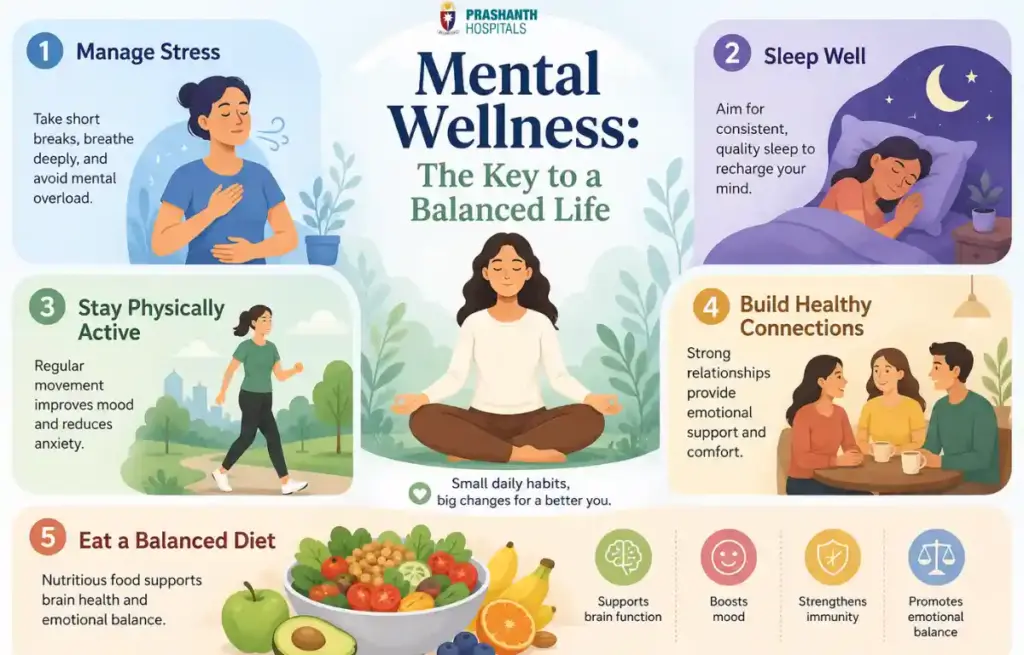
The Importance of Mental Health
Mental health shapes nearly every aspect of daily life. From personal relationships and career performance to physical health and overall happiness, emotional well-being influences how we experience the world around us.
1. Enhances Quality of Life
One of the greatest benefits of good mental health is an improved quality of life.
When you feel emotionally balanced, everyday responsibilities often become easier to manage. Challenges still arise, but they tend to feel more manageable because you’re better able to adapt, solve problems, and recover from setbacks.
Good mental health also contributes to greater self-confidence, healthier decision-making, and a stronger sense of purpose. Rather than constantly reacting to stress, people with positive emotional well-being are often better equipped to enjoy meaningful experiences, pursue personal goals, and maintain a satisfying work-life balance.
Quality of life isn’t determined by the absence of difficulties. It’s shaped by how effectively we respond to them.
2. Improves Physical Health
The connection between the mind and body is stronger than many people realize.
Persistent stress and emotional distress can affect sleep, appetite, energy levels, immune function, and even cardiovascular health. Over time, these changes may contribute to unhealthy lifestyle habits and increase the risk of chronic medical conditions.
Conversely, supporting mental wellness often encourages healthier behaviors. People who feel emotionally well are generally more likely to exercise regularly, eat balanced meals, maintain healthy sleep routines, and attend preventive healthcare appointments.
This close relationship means caring for your mental health isn’t separate from caring for your physical health. Both work together to support overall well-being.
3. Boosts Productivity
Mental wellness has a direct impact on how effectively we work, study, and complete everyday tasks.
When stress becomes overwhelming or emotional health declines, concentration, memory, creativity, and motivation often suffer. Even simple responsibilities can begin to feel difficult.
In contrast, good mental health supports clearer thinking, better focus, improved problem-solving, and more effective decision-making. It also encourages greater resilience when facing workplace challenges, academic pressures, or changing responsibilities.
Productivity isn’t about working longer hours. It’s about having the mental clarity and emotional balance to perform at your best while maintaining your overall well-being.
4. Strengthens Relationships
Healthy relationships are built on communication, trust, empathy, and emotional understanding, all of which are influenced by mental well-being.
People who manage their emotions effectively are often better able to express themselves clearly, resolve disagreements constructively, and offer support to others during difficult times.
Strong social connections, in turn, also benefit mental health by reducing feelings of isolation, providing emotional encouragement, and creating a sense of belonging.
This two-way relationship highlights an important truth. Nurturing your own mental well-being also helps strengthen the relationships that matter most.
5. Reduces Stigma
Greater awareness of mental health encourages more open conversations and helps reduce the stigma that has historically surrounded mental health conditions.
When people feel comfortable discussing emotional well-being without fear of judgment, they are more likely to seek support early, access appropriate care, and encourage others to do the same.
Recognizing that mental health is an essential part of overall health helps create more supportive families, workplaces, schools, and communities where seeking help is viewed as a positive and responsible step rather than a sign of weakness.
Mental well-being isn’t maintained through a single habit or one-time effort. Like physical health, it develops through consistent daily choices that support both the mind and body.
Fortunately, many simple lifestyle practices can strengthen emotional resilience and contribute to better mental health over time.
Practical Tips for Maintaining Positive Mental Health
Looking after your mental health doesn’t require dramatic lifestyle changes. More often, it’s the small, consistent habits practiced every day that strengthen emotional resilience and improve your overall sense of well-being.
Instead of trying to change everything at once, focus on building routines that are realistic and sustainable.
Daily Habits That Support Mental Wellness
| Healthy Habit | How It Supports Mental Well-Being |
| Regular Exercise | Reduces stress, improves mood, and boosts energy levels. |
| Balanced Diet | Provides nutrients that support brain function and emotional health. |
| Quality Sleep | Improves concentration, memory, and emotional regulation. |
| Mindfulness | Encourages calmness, focus, and resilience during stressful situations. |
| Social Connections | Reduces loneliness and provides emotional support. |
| Staying Hydrated | Helps maintain energy, concentration, and overall brain function. |
| Yoga | Combines movement, breathing, and relaxation to support emotional balance. |
Quick Tip: You don’t have to adopt every healthy habit at once. Choosing one or two small changes and practicing them consistently is often more effective than making several major changes that are difficult to maintain.
1. Stay Physically Active
Physical activity benefits both your body and your mind. Regular movement stimulates the release of natural chemicals that improve mood while helping reduce stress and anxiety.
Even moderate exercise can make a meaningful difference.
Benefits of staying active include:
- Improved mood: Physical activity encourages the release of endorphins, helping you feel more positive and energized.
- Better stress management: Exercise provides a healthy outlet for releasing tension after a demanding day.
- Higher energy levels: Staying active can reduce fatigue and improve overall vitality.
- Improved sleep quality: Regular movement often leads to deeper and more refreshing sleep.
Activities such as walking, cycling, swimming, dancing, or even gardening can all contribute to better mental wellness.
2. Nourish Your Body with a Balanced Diet
The brain depends on good nutrition to function effectively. Healthy eating patterns support concentration, memory, emotional regulation, and consistent energy throughout the day.
A balanced diet should include:
- Fresh fruits and vegetables for essential vitamins and antioxidants.
- Whole grains that provide steady energy for the brain.
- Lean proteins to support normal brain function.
- Healthy fats, including those from nuts, seeds, and fish, which contribute to overall brain health.
- Adequate hydration to support concentration and reduce fatigue.
Rather than aiming for perfection, focus on making balanced food choices most of the time.
3. Prioritize Sleep
Sleep is essential for restoring both the body and the mind. Without enough quality sleep, it becomes harder to concentrate, regulate emotions, and cope with everyday stress.
A healthy sleep routine can help you:
- Improve focus and memory.
- Support emotional balance.
- Increase energy throughout the day.
- Strengthen resilience during stressful situations.
Most adults benefit from 7-9 hours of sleep each night. Maintaining consistent sleep and wake times can make a significant difference.
Key Takeaway: Good sleep isn’t simply about feeling rested. It helps your brain process emotions, consolidate memories, and prepare for the challenges of the next day.
4. Practice Mindfulness
Mindfulness means paying attention to the present moment without becoming overwhelmed by past experiences or future worries.
Simple mindfulness practices include:
- Deep breathing exercises.
- Meditation.
- Journaling.
- Spending quiet time in nature.
- Practicing gratitude.
These activities can help reduce stress, improve focus, and encourage greater emotional awareness over time.
5. Build Strong Social Connections
Supportive relationships are one of the strongest protective factors for mental well-being.
Strong social connections can:
- Reduce loneliness: Spending time with trusted people provides comfort and reassurance.
- Build resilience: Emotional support makes it easier to navigate difficult situations.
- Encourage healthy habits: Friends and family often motivate positive lifestyle choices.
- Create a sense of belonging: Feeling connected improves confidence and emotional security.
Remember, meaningful relationships are built on trust and quality, not simply the number of people you know.
6. Seek Professional Support When Needed
There are times when healthy habits alone may not be enough.
Consider speaking with a qualified mental health professional if you notice:
- Persistent sadness or anxiety.
- Stress that feels overwhelming.
- Difficulty managing everyday responsibilities.
- Changes in sleep, appetite, or energy that continue for several weeks.
- Emotional concerns that begin affecting relationships or work.
Seeking support early can make recovery easier and help you develop healthy coping strategies.
7. Stay Hydrated
Hydration plays a surprisingly important role in supporting brain function.
Drinking enough water throughout the day may help:
- Maintain concentration.
- Improve energy levels.
- Reduce headaches caused by dehydration.
- Support overall cognitive performance.
Although hydration alone won’t solve mental health challenges, it is an important part of maintaining overall wellness.
8. Engage in Yoga
Yoga combines physical movement, breathing exercises, and mindfulness into a single practice that benefits both the body and the mind.
Regular yoga practice may help:
- Reduce stress and muscle tension.
- Improve flexibility and posture.
- Encourage relaxation.
- Support emotional balance.
- Enhance overall well-being.
Whether practiced at home or in a class, yoga can complement other healthy habits that promote mental wellness.
Can a Mental Wellness Retreat Help?
Sometimes, improving your mental well-being requires stepping away from daily routines and giving yourself time to rest, reflect, and recharge. This is where a mental wellness retreat may be beneficial.
A typical retreat may include:
- Yoga and stretching to promote relaxation and physical well-being.
- Nature walks that encourage mindfulness and reduce mental fatigue.
- Meditation and breathing sessions to improve focus and emotional awareness.
- Nutritious meals that support both physical and mental health.
- Wellness workshops or group discussions that teach practical stress-management techniques.
These retreats can be helpful for people experiencing ongoing stress or burnout. However, they should be viewed as a complement to professional mental healthcare, not a replacement for it. Individuals with persistent anxiety, depression, or other mental health conditions should seek guidance from qualified healthcare professionals.
Building Long-Term Mental Wellness
Maintaining good mental health isn’t about avoiding challenges. It’s about developing the resilience to face them.
Long-term mental wellness is built through small, consistent choices rather than occasional major changes.
Focus on these guiding principles:
- Be consistent rather than perfect. Small daily habits often have a greater impact than short bursts of motivation.
- Accept that difficult days are normal. Emotional ups and downs are part of life and don’t mean you’re failing.
- Continue learning healthy coping strategies. Every experience provides an opportunity to build resilience.
- Stay connected with supportive people. Strong relationships provide encouragement during challenging times.
- Prioritize self-care without guilt. Looking after your mental health allows you to better support others as well.
Key Takeaway: Mental wellness is a lifelong journey. Every positive habit you build today becomes part of a stronger, healthier future.
Final Thoughts
Mental and emotional well-being influences how we think, feel, build relationships, and respond to life’s challenges. While no one can eliminate stress completely, healthy daily habits can strengthen resilience and improve overall quality of life.
Whether it’s staying active, eating well, practicing mindfulness, nurturing meaningful relationships, or seeking professional support when needed, every positive step contributes to a healthier mind.
Remember, caring for your mental health isn’t something you do only during difficult times. It’s a lifelong investment in your overall health, happiness, and well-being.