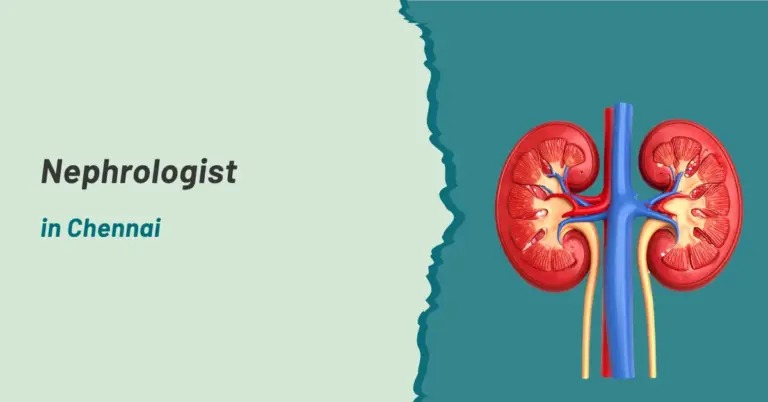
The kidneys are two bean-shaped organs located on either side of the spine, just below the ribcage. Although they are relatively small, their function is crucial to maintaining overall health. They play a central role in filtering waste, balancing fluids and electrolytes, controlling blood pressure, and supporting many vital body processes. In this blog, we will explore how your kidneys work and why they are essential to your health.
7 Functions of the Kidney
The kidneys perform several essential roles that keep your body stable and functioning properly. Understanding these 7 functions of the kidney helps you realise they do far more than just produce urine, they act like a natural filtration and balance system working around the clock.
1. Filtering Waste from Blood
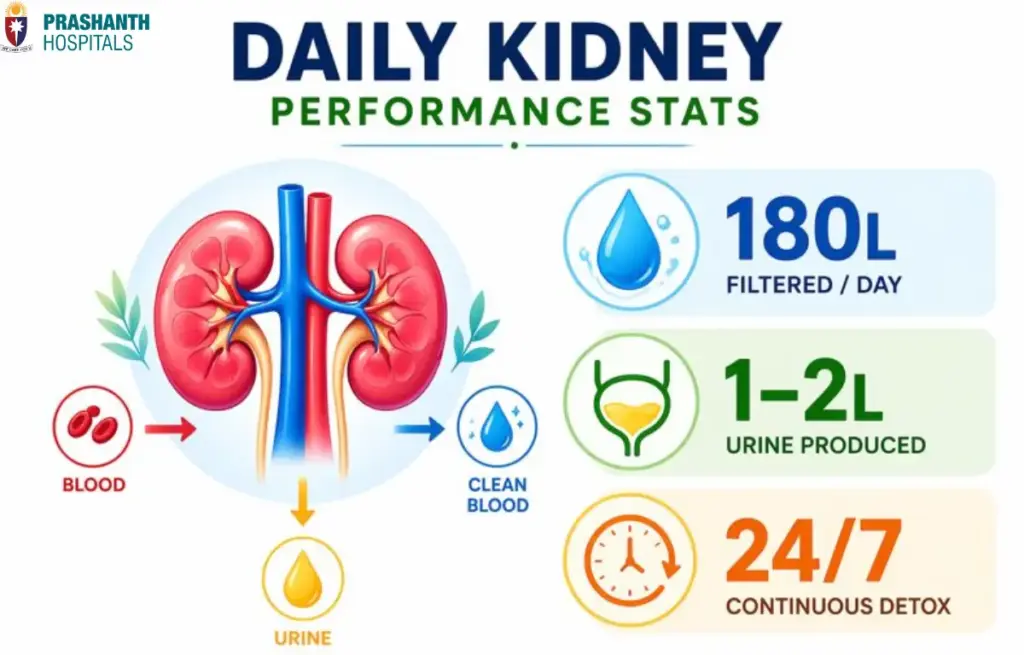
The kidneys continuously filter around 180 liters of fluid from the blood every day, removing waste products like urea, creatinine, and toxins. Most of this filtered fluid is reabsorbed back into the blood, and only around 1 to 2 liters actually leaves the body as urine. Without this process, waste would quickly build up in the body and affect multiple organs.
2. Maintaining fluid balance
The kidneys carefully regulate how much water your body keeps or removes. If you are dehydrated, they conserve water by producing concentrated urine. If you drink more fluids, they increase urine output. This constant adjustment helps maintain proper blood volume and prevents swelling or dehydration.
3. Regulating Electrolyte Levels
Electrolytes such as sodium, potassium, calcium, and chloride are essential for nerve signals, muscle contractions, and heart rhythm. The kidneys fine-tune these levels by reabsorbing what the body needs and removing excess amounts. Even a small imbalance can affect heart and muscle function.
4. Controlling Blood Pressure
The kidneys play a direct role in blood pressure control through fluid regulation and the release of renin. This hormone activates a system that adjusts blood vessel tension and blood volume. In simple terms, your kidneys help decide how tight or relaxed your blood flow should be. This is also why long-standing high blood pressure and kidney function are so closely connected, each can affect the other over time.
5. Balancing acid–base (pH levels)
Your body needs a stable pH to function properly. The kidneys maintain this balance by removing excess hydrogen ions and adjusting bicarbonate levels. This prevents the blood from becoming too acidic or too alkaline, which is critical for normal enzyme activity and organ function.
6. Producing Hormones
The kidneys act as hormone producing organs that influence other systems:
- Erythropoietin (EPO): Signals the body to produce red blood cells, especially when oxygen levels are low
- Renin: Helps regulate blood pressure and fluid balance
- Calcitriol (active Vitamin D): Supports calcium absorption and keeps bones strong
Interesting fact: kidney problems can sometimes lead to low red blood cell levels, or anaemia, because of reduced EPO production.
7. Forming and Excreting Urine
Through filtration, reabsorption, and secretion, the kidneys produce urine to remove waste, toxins, and excess substances. On average, they produce about 1 to 2 liters of urine per day, depending on hydration and body needs. This process is the final step in maintaining the body’s internal balance.
The Structure of the Kidneys
Each kidney contains about a million tiny filtering units called nephrons. These nephrons are responsible for filtering blood and removing waste products and excess substances. Nephrons are composed of two main structures, the glomerulus and the tubule. The glomerulus is a tiny network of capillaries, or blood vessels, where filtration occurs, while the tubule reabsorbs necessary substances and eliminates waste.
How the Filtration Process Works
Blood enters the kidneys through the renal artery and flows into the glomerulus. Here, pressure pushes water, ions, and waste products into Bowman’s capsule, forming filtrate. Larger components like proteins and blood cells remain in the bloodstream.
The filtrate then moves through the tubule, where useful substances such as glucose, amino acids, and water are reabsorbed into the blood. At the same time, additional waste and excess ions are secreted into the filtrate.
Urine Formation and Excretion
After filtration, reabsorption, and secretion, the remaining fluid becomes urine. It passes through the collecting ducts into the renal pelvis, then moves via the ureter to the bladder, where it is stored until excretion.
On average, the kidneys produce about 1 to 2 liters of urine daily, depending on hydration and body needs.
How Kidney Function Changes with Age
Kidney function is not fixed for life. It naturally peaks in early adulthood and tends to decline gradually with age, even in people without any kidney disease. This is a normal part of ageing, similar to gradual changes in other organs, and on its own it does not mean something is wrong.
That said, ageing kidneys have less reserve capacity to handle added strain. Conditions like diabetes and high blood pressure, dehydration, certain medications, and repeated infections can affect kidney function more noticeably in older adults than in younger people. This is one of the reasons doctors often recommend regular kidney function checks for older adults, and more frequent monitoring for anyone managing diabetes, hypertension, or heart disease, since these conditions are closely linked to how well the kidneys work over time.
Keeping Your Kidneys Healthy
Maintaining kidney health is essential for overall well-being. Here are some simple steps:
- Stay hydrated to support waste removal
- Eat a balanced diet with less salt and processed food
- Exercise regularly to maintain healthy blood pressure
- Avoid smoking and limit alcohol intake
- Manage conditions like diabetes and hypertension
- Avoid unnecessary use of painkillers and antibiotics
Why are the Kidneys Important for Overall Health?
The kidneys play a central role in keeping your body balanced and functioning smoothly. While many people think the main function of kidney is just to remove waste, their role goes much deeper. They continuously clean the blood, regulate fluid levels, maintain electrolyte balance, and help control blood pressure.
The kidneys also support other systems in the body. They produce hormones that help form red blood cells, keep bones strong through vitamin D activation, and maintain proper acid-base balance. In simple terms, the kidney function in the body affects your heart, bones, blood, and overall energy levels.
When all these roles work together, they help maintain stability inside the body, also known as homeostasis. This is why understanding the 7 functions of the kidney is important, they show how these organs act as a control system for multiple vital processes.
What Happens when Kidneys Stop Working Properly?
When the kidneys are not functioning properly, waste products and excess fluids start to build up in the body. This disrupts the kidney filtration process and affects many systems at once.
As kidney function declines, you may notice swelling in the legs, ankles, or face due to fluid retention. There can also be changes in urination, such as reduced output, foamy urine, or blood in the urine. Over time, toxin buildup can lead to fatigue, nausea, loss of appetite, and difficulty concentrating.
Poor kidney function can also affect blood pressure and red blood cell production, leading to complications like hypertension and anaemia. If left untreated, this condition can progress and require advanced treatments like dialysis or transplantation.
How is Kidney Function Tested?
Since early kidney function decline often has no obvious symptoms, testing is the most reliable way to catch problems early. Doctors typically assess kidney function through a combination of simple tests rather than relying on symptoms alone.
- Serum creatinine. A blood test that measures a waste product your muscles produce. Rising creatinine levels can be an early sign that the kidneys are filtering less efficiently.
- Estimated Glomerular Filtration Rate (eGFR). Calculated from your creatinine level, age, and sex, eGFR estimates how well your kidneys are filtering blood and is one of the most commonly used measures of overall kidney function.
- Urine tests. Checking for protein or blood in the urine can pick up kidney problems before they show up in blood tests.
- Blood pressure monitoring. Since blood pressure and kidney function are closely linked, regular checks are part of routine kidney assessment.
If you have diabetes, high blood pressure, a family history of kidney disease, or are over 60, periodic kidney function testing is generally recommended, even if you feel completely well.
Conclusion
The kidneys are vital organs that do much more than filter waste. From balancing fluids to controlling blood pressure and producing hormones, their role is essential for survival. By understanding these functions and taking care of your kidneys, you can support your overall health and quality of life. If you notice any symptoms or have concerns, consult a healthcare professional for proper guidance.