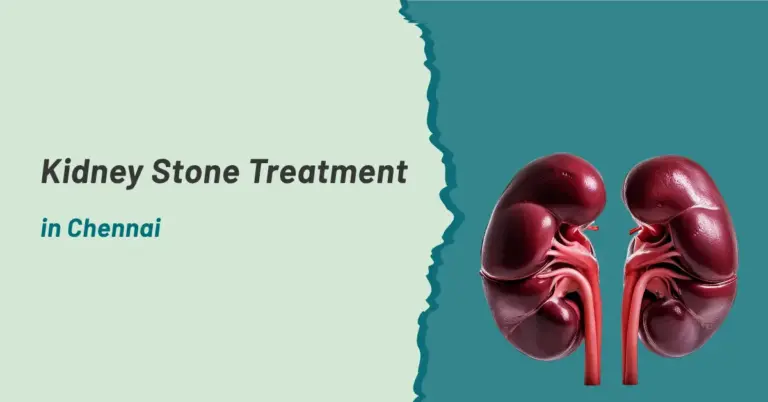
Kidney stones are not only inconvenient but can also be extremely painful. A kidney stone is a hard mass that forms from crystals in the urine. For most people, natural chemicals in the urine keep stones from forming and causing problems.
A kidney stone is frequently described as one of the most painful experiences a person can have, but it is not always a one-time occurrence. Kidney stones have a high recurrence rate, and many patients may develop another stone within 5 to 10 years without the right preventive steps in place.
The good news? The prevention of kidney stones is possible for most people. With the right food choices, enough fluids, and a few simple habits, you can lower your risk a great deal. This guide covers everything you need to know, including natural ways to stop them from coming back.
Are all kidney stones the same?
No. And this matters because the right prevention plan depends entirely on the type of stone you have.
Calcium oxalate stones are the most common type, making up about 80% of all cases. Uric acid stones are the second most common. Less often, people develop struvite stones linked to urinary tract infections, calcium phosphate stones, or cystine stones caused by a hereditary condition.
To keep stones from returning, dietary changes and medical treatment are tailored to the type of stone. While there is no way to guarantee that stones will not form, you can reduce your risk by changing your diet. Here are some steps you can take.
How to Prevent Kidney Stones Naturally: 8 Proven Steps
1. Drink Enough Water Every Day
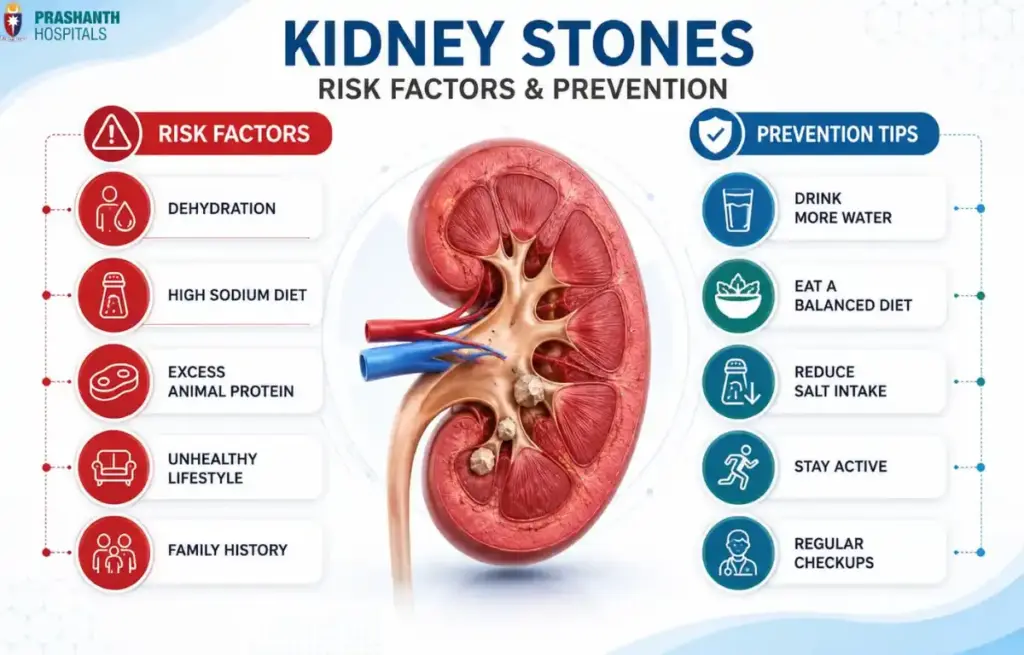
Staying hydrated is the single most effective way to work on the prevention of kidney stones. When urine is diluted, minerals and salts have less chance of sticking together and forming crystals.
A practical test: check your urine colour. Pale yellow or clear means you are drinking enough. Dark yellow means you need more fluid.
Aim to produce around 2 to 2.5 litres of urine daily. For most adults, this means drinking 8 to 10 glasses of fluid throughout the day. If you live in a hot climate like Chennai or exercise regularly, you will need a bit more. Water is always the best choice. Low-sugar fluids like herbal tea and diluted fruit juice also count. Avoid fizzy sodas and colas since they contain fructose and phosphoric acid that raise your stone risk.
2. Add Fresh Lemon Juice to Your Water
This is one of the most overlooked yet effective ways to learn how to avoid kidney stones naturally. Lemon juice is rich in citrate, a natural compound that stops calcium from joining with oxalate inside the kidney. Less binding means fewer stones.
Half a fresh lemon squeezed into a glass of water twice a day is enough to make a real difference. Fresh orange juice works in a similar way. Both are natural, affordable, and easy to add to your daily routine.
Citrate is also found in some kidney stone medications, which tells you how powerful this simple kitchen ingredient actually is.
3. Get Your Calcium from Food, Not Supplements
Calcium is crucial in the prevention of kidney stones. But here is where many people make a mistake.
Because calcium oxalate stones are the most common type, many people believe they should remove calcium from their diet. This is not entirely true. You are actually increasing your chances of developing stones by eating a low-calcium diet, because more oxalate then gets absorbed into your blood and ends up in your urine.
The solution is to eat a diet that is naturally high in calcium through food: low-fat milk, yoghurt, and cheese are all good choices. Eat calcium-rich foods with your main meals so they can bind oxalate in your gut before it ever reaches your kidneys. Avoid calcium supplements taken on an empty stomach, as these have been linked to a higher stone risk.
4. Limit High-Oxalate Foods
Oxalate is found naturally in many foods. For most people it causes no problem. But for those prone to calcium oxalate stones, eating too much of it raises the amount of oxalate that passes into the urine, creating the right conditions for crystals to grow.
Foods to eat in moderation include spinach, beets, rhubarb, sweet potatoes, nuts (especially almonds and cashews), dark chocolate, soy products, and strong black tea.
You do not need to cut these out completely. Just eat them in smaller amounts and always pair them with a calcium-rich food at the same meal. This simple pairing neutralises much of the oxalate before it causes harm.
5. Reduce Animal Protein
A high purine intake results in increased uric acid production and a greater acid load for the kidneys to excrete. Reduce your consumption of high-purine foods such as red meat, organ meats, and shellfish, and instead eat a healthy diet rich in vegetables and fruits, whole grains, and low-fat dairy products.
Plant-based proteins like lentils and chickpeas are excellent alternatives that lower the uric acid burden on your kidneys. However, if you are prone to calcium oxalate stones, be aware that certain plant sources such as soy products can be high in oxalates. If you do eat them, apply the same calcium-pairing rule: eat them alongside a calcium-rich food at the same meal to help neutralise the oxalate safely. Making this shift is one of the more effective long-term strategies for the prevention of kidney stones, especially for those with uric acid stones.
6. Cut Your Salt Intake
Eating too much sodium is a direct driver of calcium kidney stones. A high-salt diet causes your kidneys to push out more calcium into the urine, and more urinary calcium creates more opportunity for stones to form.
Limit sodium to under 2,000 mg per day. The biggest hidden sources are packaged snacks, canned soups, pickled foods, fast food, and restaurant meals. Cooking at home more often and using herbs, lemon juice, or spices to flavour food instead of salt makes a real difference over time.
7. Avoid Crash Diets and Maintain a Healthy Weight
Being overweight increases the acid load on your kidneys and raises calcium and oxalate levels in the urine. Crash diets and extreme low-carb eating plans can spike uric acid production quickly and raise stone risk in a short time.
If you want to lose weight, aim for a slow, steady approach. Even a 30-minute walk each day supports healthy kidney function and helps maintain a body weight that keeps stone risk low.
8. Limit Alcohol and Sugary Drinks
Limit sugar-sweetened foods and beverages, avoid crash diets, and limit alcohol consumption because they can raise uric acid levels in the blood. Beer carries extra risk because it is high in purines. Sugary packaged juices and sports drinks raise urinary oxalate and calcium levels.
Swapping these for water or fresh lemon water is one of the easiest things you can do when thinking about how to avoid kidney stones naturally every day.
How to Treat Kidney Stones Naturally at Home
If you have a small stone, usually under 5mm, and your doctor confirms it is likely to pass on its own, there are natural steps that can help the process along.
The most important is hydration. Drinking steady amounts of water throughout the day helps move the stone through your urinary tract. Lemon water adds the benefit of citrate, which can slow further crystal growth while you wait for the stone to pass.
A warm compress placed on your lower back or side can help ease muscle tension during this time. Some people use diluted apple cider vinegar in water at home, as it can alter urine pH in a way that may discourage certain types of crystal growth, particularly uric acid and cystine stones. However, because different stone types respond differently to changes in urine acidity, this approach is not suitable for everyone. Those with calcium phosphate stones, for example, may find that a more alkaline urine environment makes things worse. The clinical evidence for apple cider vinegar as a stone treatment is also limited, so do not rely on it as a replacement for medical advice.
This is how to treat kidney stones naturally for small, uncomplicated stones. It is important to be clear: if you have severe pain, fever, vomiting, blood in your urine, or find you cannot urinate, these are medical emergencies. Do not try to manage these at home. Go to a hospital immediately.
Foods that Actively Help the Kidneys
Some foods go beyond simply avoiding harm. They actively support kidney health and help with the prevention of kidney stones over the long term.
Lemons and oranges provide citrate that blocks crystal formation. Watermelon keeps you hydrated and supports kidney filtration. Pomegranate juice contains antioxidants that benefit overall kidney health. Whole grains, legumes, and fibre-rich vegetables support healthy urinary pH levels and reduce stone-forming mineral concentrations.
A diet built around vegetables, fish, whole grains, and olive oil, and low in red meat and salt, fits this pattern well and has been studied for its protective effect against kidney stone formation.
When to See a Doctor
Natural prevention and home care work well for most people most of the time. But some symptoms need medical attention right away.
See a doctor if you have pain in your side, back, or groin that does not ease up, blood in your urine, nausea or vomiting that you cannot control, a fever with chills, or difficulty passing urine. These may point to a stone that is blocking the urinary tract or an infection that needs treatment.
If you have had kidney stones before, your doctor may suggest a 24-hour urine test. This test shows exactly what your urine contains and helps design a prevention plan specific to your stone type, body chemistry, and lifestyle.
Consult the Best Urologists at Prashanth Hospitals
What works for some people may not work for others. So it is important to experiment with new dietary habits and pay attention to how your body responds. If you are at risk for kidney stones, a urologist can help you figure out which foods to limit or avoid.
Always consult with a doctor before starting or stopping any new medications or food regimen. Prashanth Hospitals houses the best urologists in Chennai, with dedicated Nephrology and Urology departments across multiple branches in the city. Our team of highly experienced doctors will ensure you receive the best, most personalised care for kidney stone prevention and treatment.