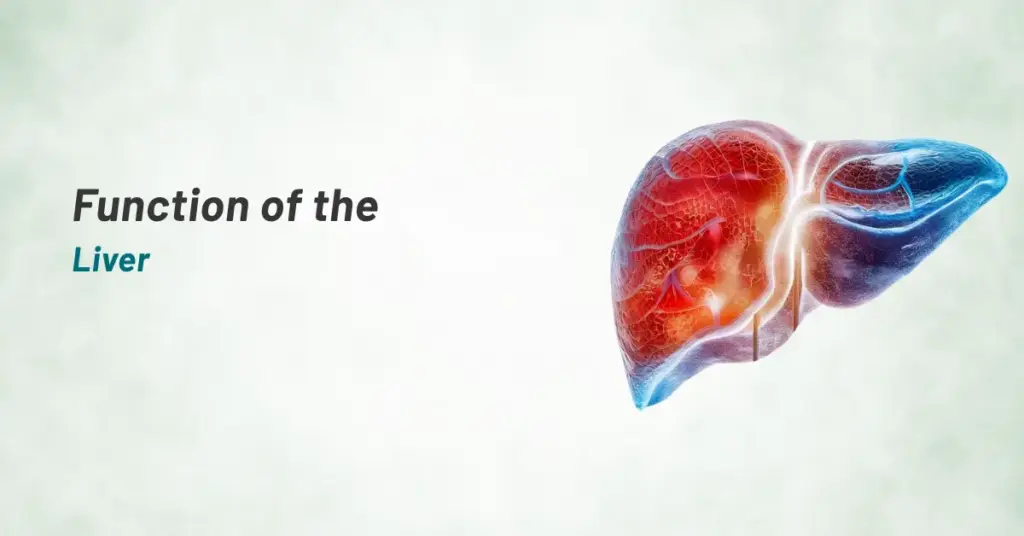
Every bite of food you eat, every medication you take, and every nutrient your body absorbs depends on the liver performing countless tasks behind the scenes. It is the largest internal organ and one of the most versatile, helping regulate digestion, metabolism, immunity, blood clotting, and energy storage, all while filtering harmful substances from the bloodstream.
What makes the liver even more remarkable is its ability to adapt. It can continue functioning efficiently even when partially damaged, which is why many liver conditions develop silently before noticeable symptoms appear.
Understanding the function of the liver in the human body isn’t just useful for biology — it’s essential for maintaining long-term health. If you have ever wondered what is the functions of the liver in human body, this guide will walk you through it. You’ll learn the liver’s key functions, how it works alongside the pancreas, common liver diseases, and practical steps to keep this vital organ healthy.
The Crucial Role of the Liver
The liver sits in the upper right side of the abdomen, just beneath the diaphragm. Although it weighs only about 1.2 to 1.5 kilograms in most adults, it performs hundreds of life-sustaining functions every minute.
Unlike many organs that perform one primary task, the liver acts as the body’s chemical processing center. It receives nutrients from the digestive system, converts them into usable forms, stores essential vitamins and minerals, removes toxins, produces proteins, and helps regulate hormones and metabolism.
One of its most unique characteristics is its ability to regenerate. If part of the liver is damaged or surgically removed, healthy liver tissue can grow and restore much of its lost function. However, this remarkable ability has limits. Continuous damage caused by excessive alcohol use, viral infections, obesity, or certain medical conditions can eventually overwhelm its capacity to repair itself.
Because the liver quietly compensates for damage over time, many liver diseases produce few or no symptoms in their early stages. This makes healthy lifestyle choices and regular health check-ups especially important for protecting long-term liver function.
What is the Function of the Liver in the Human Body?
The liver’s primary role is to maintain the body’s internal balance by processing nutrients, removing harmful substances, producing essential proteins, and supporting digestion. Every day, it works with the digestive system, circulatory system, and endocrine system to keep the body functioning efficiently.
Rather than performing one single job, the liver carries out hundreds of interconnected tasks that influence nearly every organ in the body. To describe the function of the liver in simple terms, think of it as the body’s processing plant — filtering, storing, and converting everything that passes through it.
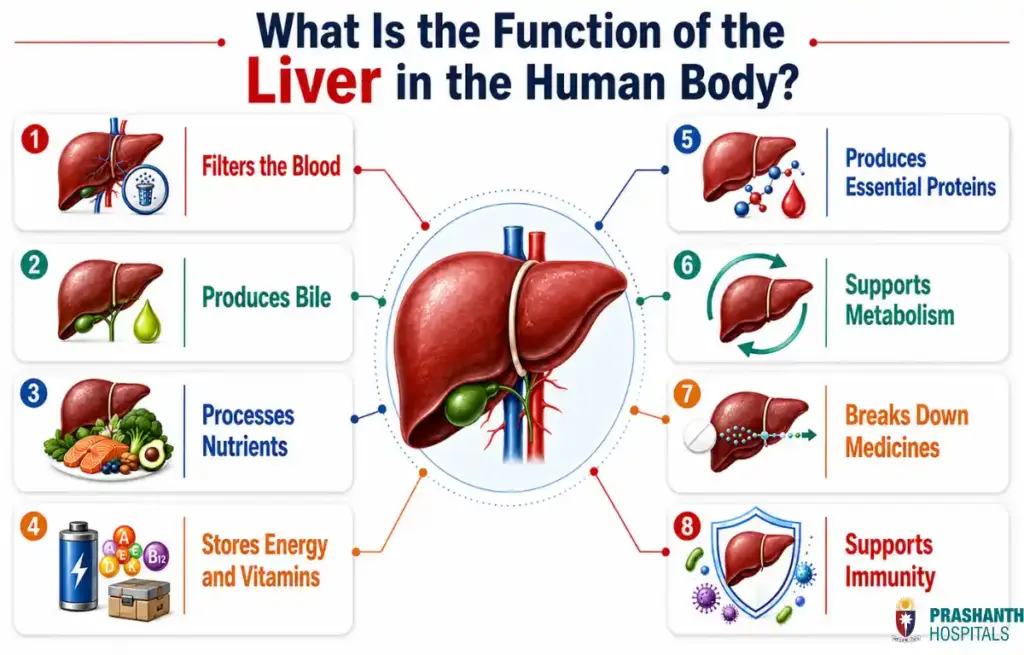
| Liver Function | Why It’s Important |
| Produces bile | Helps digest and absorb fats |
| Filters toxins | Removes harmful substances from the bloodstream |
| Regulates blood sugar | Stores and releases glucose for energy |
| Stores nutrients | Keeps vitamins and minerals available when needed |
| Produces proteins | Supports blood clotting and fluid balance |
| Metabolizes nutrients | Converts carbohydrates, proteins, and fats into usable energy |
| Stores and processes iron | Recycles iron from old red blood cells for making new ones |
| Supports immunity | Removes bacteria and waste from the blood |
| Helps regulate hormones | Breaks down excess hormones and metabolic by-products |
Together, these functions allow the liver to support digestion, maintain stable energy levels, protect the body from harmful substances, and contribute to overall health.
Key Functions of the Liver
While the liver performs hundreds of different tasks, several core functions are essential for keeping the body healthy.
1. Produces Bile for Digestion
One of the liver’s best-known roles is producing bile, a yellow-green fluid that helps digest dietary fats.
After the liver produces bile, it is stored in the gallbladder and released into the small intestine when fatty foods are eaten. Bile breaks large fat droplets into smaller particles, making them easier for digestive enzymes to process.
This process also helps the body absorb fat-soluble vitamins such as A, D, E, and K, all of which play important roles in vision, bone health, immunity, and blood clotting.
Without adequate bile production, fat digestion becomes less efficient, potentially leading to nutritional deficiencies over time.
2. Filters Toxins and Harmful Substances
The liver acts as the body’s natural filtration system. Blood arriving from the digestive tract first passes through the liver, where harmful substances are processed before entering the rest of the circulation.
The liver helps remove:
- Alcohol
- Certain medications
- Environmental toxins
- Metabolic waste products
- Excess hormones
- Damaged blood cells
Many toxins are converted into less harmful compounds that can be eliminated through urine or bile, helping protect other organs from damage. Although the liver is highly efficient at detoxification, excessive alcohol consumption, certain medications, and long-term exposure to harmful substances can eventually overwhelm its capacity to function normally.
3. Regulates Blood Sugar Levels
Maintaining stable blood sugar is another essential function of the liver.
After a meal, excess glucose is converted into glycogen, a stored form of energy kept within liver cells. When the body needs additional fuel — such as between meals or during physical activity — the liver breaks glycogen back down into glucose and releases it into the bloodstream.
This continuous process helps prevent significant fluctuations in blood sugar and ensures that organs such as the brain have a steady supply of energy. The liver also works closely with hormones such as insulin and glucagon to maintain healthy glucose balance throughout the day.
4. Processes Carbohydrates, Proteins, and Fats
Every nutrient you consume undergoes important chemical changes inside the liver.
- Carbohydrates are converted into usable energy or stored for later use.
- Proteins are broken down into amino acids that support tissue repair and other vital functions.
- Fats are processed into forms the body can use for energy, hormone production, and cell growth.
By coordinating these metabolic processes, the liver helps ensure that nutrients are distributed efficiently according to the body’s changing needs.
5. Produces Essential Proteins
The liver manufactures several proteins that are necessary for normal body function.
Among the most important is albumin, which helps maintain fluid balance by preventing excess fluid from leaking out of blood vessels. The liver also produces clotting factors that enable the blood to clot after an injury — without these proteins, even minor cuts or injuries could result in prolonged bleeding. In addition, the liver synthesizes transport proteins that carry hormones, vitamins, and minerals throughout the bloodstream.
6. Stores Vitamins and Minerals
The liver serves as the body’s nutrient storage center. Rather than using every vitamin and mineral immediately, it stores essential nutrients so they remain available when dietary intake is temporarily reduced. These include:
- Vitamin A
- Vitamin D
- Vitamin B12
- Vitamin K
- Iron
- Copper
This reserve helps maintain normal body functions during periods of illness, fasting, or inadequate nutrition.
7. Stores and Recycles Iron
Beyond general mineral storage, the liver plays a specific role in iron management. When old red blood cells break down, the liver helps process the hemoglobin they contained, capturing and storing the iron for reuse rather than letting it go to waste.
This stored iron is released back into the bloodstream as needed to support the production of new red blood cells. Because of this role, liver damage can sometimes disrupt the body’s iron balance, while certain genetic conditions can cause the liver to store far more iron than it should.
8. Supports the Immune System
Beyond its metabolic responsibilities, the liver also contributes to immune defense. Specialized immune cells within the liver help identify and remove bacteria, viruses, toxins, and damaged cells that enter the bloodstream from the digestive tract.
By filtering these harmful substances before they circulate throughout the body, the liver plays an important role in protecting against infection and maintaining immune balance.
9. Helps Regulate Cholesterol and Hormones
The liver continuously produces, breaks down, and recycles cholesterol based on the body’s needs. Cholesterol is essential for producing cell membranes, hormones, and vitamin D, but excessive levels can contribute to cardiovascular disease.
The liver also helps regulate hormones by breaking down excess amounts after they have completed their function. This ongoing process supports healthy hormonal balance throughout the body.
At this point, it’s clear that the liver doesn’t work alone. Many of its digestive and metabolic functions depend on close coordination with another vital organ — the pancreas.
How the Liver and Pancreas Work Together
The liver performs hundreds of vital functions, but it doesn’t work in isolation. One of its closest partners is the pancreas. If you are asking what are the functions of liver and pancreas together, the short answer is digestion, metabolism, and blood sugar control. Together, these two organs ensure that food is properly digested, nutrients are absorbed efficiently, and blood sugar remains within a healthy range.
While their roles are different, they complement each other throughout the digestive process. The liver produces bile to help digest fats, while the pancreas releases digestive enzymes that break down carbohydrates, proteins, and fats into smaller molecules the body can absorb.
The pancreas also produces the hormones insulin and glucagon, which regulate blood sugar levels. The liver responds to these hormones by storing excess glucose as glycogen after meals and releasing it back into the bloodstream when the body needs energy.
Because these organs are closely connected, problems affecting one can sometimes influence the function of the other. Maintaining the health of both is essential for efficient digestion, metabolism, and overall well-being.
What Are the Functions of the Liver and Pancreas?
Although they work together, each organ has distinct responsibilities.
| Liver | Pancreas |
| Produces bile to aid fat digestion | Produces digestive enzymes for carbohydrates, proteins, and fats |
| Filters toxins from the blood | Produces insulin to lower blood sugar |
| Stores glucose as glycogen | Produces glucagon to raise blood sugar |
| Metabolizes nutrients | Supports digestion and nutrient absorption |
| Produces proteins for blood clotting | Helps regulate metabolism through hormone production |
| Stores vitamins and minerals | Supports healthy digestive function |
Together, the liver and pancreas help the body convert food into energy, maintain stable blood sugar levels, absorb nutrients efficiently, and support many of the processes needed for everyday health.
Common Liver Diseases and Their Causes
Despite its remarkable ability to regenerate, the liver can become damaged when exposed to long-term inflammation, infections, unhealthy lifestyle habits, or certain medical conditions. Many liver diseases develop gradually, making regular health check-ups and early recognition especially important.
Non-Alcoholic Fatty Liver Disease (NAFLD)
NAFLD occurs when excess fat accumulates in the liver in people who drink little or no alcohol. It is closely associated with obesity, type 2 diabetes, insulin resistance, and high cholesterol. In its early stages, it often causes no noticeable symptoms, but untreated disease may progress to inflammation and liver scarring.
Hepatitis
Hepatitis refers to inflammation of the liver. Viral infections — particularly hepatitis A, B, and C — are common causes, although certain medications, alcohol, and autoimmune conditions can also trigger liver inflammation. Depending on the cause, hepatitis may be short-term or become a chronic condition requiring ongoing treatment.
Autoimmune and Genetic Liver Conditions
Not all liver disease is caused by viruses or lifestyle factors. In some cases, the immune system itself, or an inherited genetic condition, is responsible.
- Autoimmune Hepatitis — The immune system mistakenly attacks the liver’s own cells, triggering chronic inflammation that can progress to scarring if untreated.
- Primary Biliary Cholangitis — An autoimmune condition that gradually damages the small bile ducts inside the liver, leading to scarring over time.
- Wilson’s Disease — A genetic condition that causes excess copper to accumulate in the liver and other organs.
- Hemochromatosis — A genetic condition that causes the body to absorb and store too much iron, which can build up in the liver and impair its function.
These conditions are less common than viral or lifestyle-related liver disease, but they’re important to recognize since they often require different testing and treatment approaches, and may run in families.
Liver Cirrhosis
Cirrhosis develops when healthy liver tissue is gradually replaced by scar tissue after years of repeated injury. Chronic alcohol use, long-standing hepatitis infections, and advanced fatty liver disease are among the leading causes. As scarring increases, the liver becomes less able to perform its normal functions.
Liver Fibrosis
Fibrosis is an earlier stage of liver scarring that occurs before cirrhosis. If the underlying cause is identified and treated early, liver damage may slow or, in some cases, partially improve.
Liver Cancer
Primary liver cancer most commonly develops in people with chronic liver disease or cirrhosis. Early detection through regular monitoring in high-risk individuals can improve treatment outcomes.
Do’s and Don’ts for a Healthy Liver
Daily habits have a significant impact on liver health. Small, consistent lifestyle choices can help reduce the risk of liver disease and support the liver’s natural functions.
| Do | Don’t |
| Eat a balanced diet rich in fruits, vegetables, whole grains, and lean proteins | Limit or avoid excessive alcohol consumption |
| Exercise regularly to maintain a healthy weight | Avoid smoking and recreational drug use |
| Drink enough water throughout the day | Don’t take medications or supplements without medical advice |
| Manage diabetes, blood pressure, and cholesterol | Avoid diets high in processed foods, sugar, and unhealthy fats |
| Get regular health check-ups if you have risk factors for liver disease | Don’t ignore persistent symptoms such as jaundice or abdominal swelling |
| Use clean, sterile needles for any medical, cosmetic, or piercing/tattoo procedures | Don’t share razors, toothbrushes, or other personal items that may carry blood-borne pathogens |
Healthy liver care isn’t about following strict diets or detox programs. It’s about maintaining consistent habits that reduce unnecessary stress on the liver over time.
Preventive Tips for Liver Health
Many liver diseases are preventable, especially those linked to lifestyle and metabolic health. Protecting your liver begins with everyday choices rather than occasional “cleanses” or detox products.
Maintaining a healthy body weight is one of the most effective ways to lower the risk of fatty liver disease. Regular physical activity, combined with a balanced diet, supports healthy metabolism and reduces fat accumulation within the liver.
Limiting alcohol intake also plays a key role. Excessive alcohol can damage liver cells over time and increase the risk of hepatitis, fibrosis, and cirrhosis.
Medication safety is equally important. Always take prescription and over-the-counter medicines as directed, and avoid combining medications or supplements without consulting a healthcare professional, as some products may harm the liver.
Preventing bloodborne infections matters too. Hepatitis B and C spread through contact with infected blood, so avoiding contaminated needles, never sharing razors or toothbrushes, and ensuring sterile equipment for tattoos, piercings, or medical procedures all help lower your risk.
If you have diabetes, high cholesterol, or obesity, managing these conditions effectively can significantly reduce the risk of chronic liver disease.
Finally, routine health screenings can identify liver problems before symptoms develop. People with a family history of liver disease or other risk factors should discuss appropriate screening with their healthcare provider.
Vaccination and Liver Health Awareness
Vaccination is one of the most effective ways to prevent certain infectious liver diseases.
Vaccines are available for hepatitis A and hepatitis B, both of which can cause liver inflammation and, in some cases, long-term complications. There is currently no vaccine available for hepatitis C, which makes prevention — through safe practices like avoiding shared needles and practicing safe sex — particularly important for this form of the virus. Vaccination against hepatitis A and B is especially important for children, healthcare workers, travelers to high-risk regions, and individuals with chronic liver disease or weakened immune systems.
Public awareness is equally important. Many liver conditions progress silently, with symptoms appearing only after significant damage has occurred. Understanding risk factors, recognizing early warning signs, and attending regular health check-ups all contribute to better liver health and earlier intervention when needed.
Conclusion: Your Liver Deserves Care
The liver is one of the hardest-working organs in the human body, quietly performing hundreds of essential functions every day. From producing bile and regulating blood sugar to filtering toxins, storing nutrients, and supporting immunity, its influence extends to almost every major body system.
Working alongside the pancreas, the liver ensures that food is digested efficiently, nutrients are processed correctly, and energy remains available whenever the body needs it.
Although the liver has an extraordinary ability to regenerate, it is not indestructible. Long-term damage caused by unhealthy lifestyle habits, infections, or chronic medical conditions can eventually impair its ability to function.
Fortunately, many liver diseases can be prevented or managed through balanced nutrition, regular physical activity, responsible alcohol use, vaccination, and routine medical care. By understanding how your liver works and making informed lifestyle choices, you can help protect this remarkable organ for years to come.