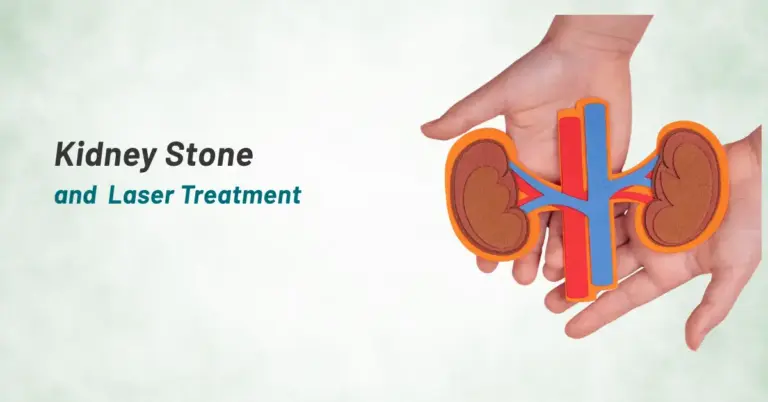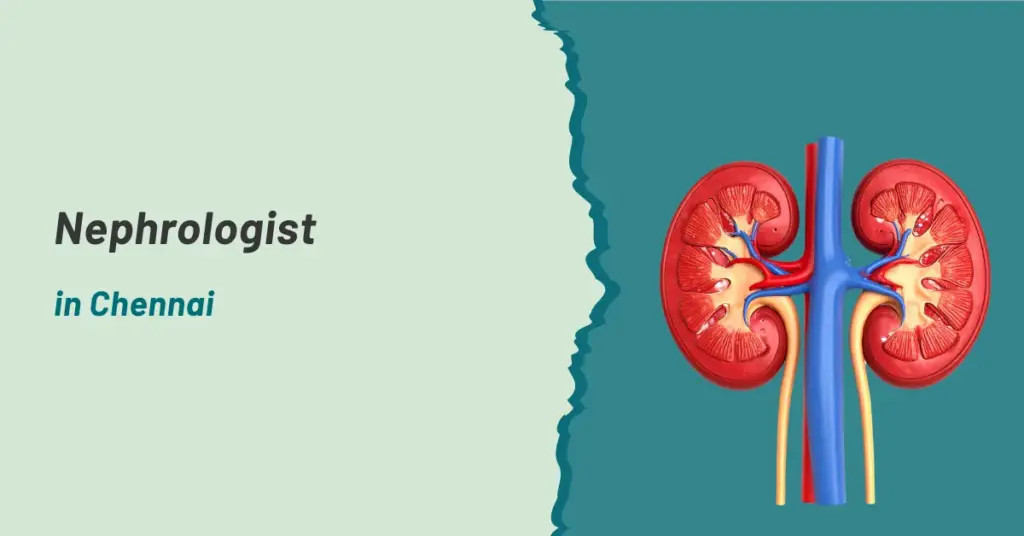
The kidneys filter waste from the blood, balance fluids and salts, and help control blood pressure. Kidney disease often develops slowly and without clear symptoms, so many people only find out when the problem is already advanced. Diabetes and high blood pressure are the two most common causes of kidney damage.
A nephrologist in Chennai can find kidney problems early, explain test results and plan treatment to protect kidney function. At Prashanth Hospitals, the nephrology team includes renal physicians and transplant nephrologists who care for adults and children with kidney conditions.
Who is a Nephrologist?
A nephrologist is a doctor who specialises in kidney diseases. Nephrologists diagnose, treat and monitor conditions that affect how the kidneys filter blood and balance fluids and salts. They also manage kidney problems caused by diabetes, high blood pressure and infections, and they look after patients on dialysis and after a kidney transplant.
Swelling, tiredness or changes in how much urine is passed can all be signs of a kidney problem that needs a specialist’s review.
Nephrologists in Chennai at Prashanth Hospitals
Dr. Sheik Sulthan Alavudeen N
- Education: MBBS, MD (Internal Medicine), DM (Nephrology)
- Experience: 9+ years
- Designation: Senior Consultant, Nephrology
- Areas of care: Clinical nephrology, kidney transplantation
About the Doctor
Dr. Sheik Sulthan Alavudeen N is a nephrologist in Chennai and a senior consultant at Prashanth Hospitals. His work covers the diagnosis and long term care of kidney disorders, including chronic kidney disease and kidney failure, as well as care before and after kidney transplantation.

Dr. Vivek K Koushik
- Qualifications: MBBS, MD, DNB (General Medicine), DrNB (Nephrology)
- Experience: 3+ years
- Designation: Consultant Nephrologist and Transplant Physician
- Areas of care: Diabetic kidney disease, glomerular diseases, kidney problems in pregnancy, dialysis, continuous renal replacement therapy (CRRT), pediatric nephrology
About the Doctor
Dr. Vivek K Koushik is a nephrologist in Chennai and transplant physician. He treats kidney damage caused by diabetes, glomerular diseases (problems in the kidney’s tiny filters) and kidney conditions during pregnancy. He also manages dialysis and CRRT, a gentle, continuous form of dialysis used for very ill patients in intensive care.

Dr. M. Subashri
- Qualifications: MBBS, MD (General Medicine), DM (Nephrology), DrNB (Nephrology), FASN
- Experience: 3+ years
- Designation: Consultant Nephrologist
- Areas of care: Clinical nephrology, critical care nephrology, transplant nephrology, glomerular diseases, renal biopsy, dialysis, CRRT
About the Doctor
Dr. M. Subashri is a nephrologist in Chennai and transplant physician whose work includes kidney care in intensive care settings. She performs renal biopsy to find the cause of unexplained kidney problems and manages dialysis, CRRT and kidney transplant care for adults and children. She is a Fellow of the American Society of Nephrology (FASN).

Why Kidney Disease is Called a Silent Condition
The kidneys can lose a large part of their function before any symptoms appear. This is why kidney disease is often called a silent condition. A simple blood test for creatinine and a urine test for protein can show a problem long before a person feels unwell.
People who have not had a kidney check for a while can ask their doctor about it at their next visit, especially if they have diabetes or high blood pressure.
Early Warning Signs of Kidney Problems
It is a good idea to see a kidney specialist if there is:
- Swelling in the feet, ankles or face
- Tiredness that does not go away
- Foamy urine, or passing much less urine than usual
- High blood pressure that is hard to control
- Nausea or loss of appetite
- A rise in creatinine on a blood test
Seek emergency care straight away for very little or no urine, sudden breathlessness, confusion, or severe weakness, as these can be signs of serious kidney failure or a dangerous rise in potassium.
Who Should Get their Kidneys Checked?
Some people have a higher risk of kidney disease and should include a kidney function test in their regular health check. This includes anyone with:
- Diabetes
- High blood pressure
- A family history of kidney disease
- Repeated kidney infections or kidney stones
- An abnormal kidney test result in the past
Finding a problem early can mean simpler treatment and a better chance of slowing kidney damage.
How Nephrologists Diagnose Kidney Problems
Before treatment, the nephrologist needs a clear picture of how well the kidneys are working. Common tests include:
- eGFR blood test: Uses the creatinine level to estimate how well the kidneys are filtering waste. It is also used to track kidney function over time.
- Urine test: Checks for protein, blood or infection. Protein or blood in the urine can be an early sign of kidney damage.
- Kidney ultrasound: A painless scan that uses sound waves to look for stones, cysts, blockages or changes in kidney size.
- CT scan: Gives more detailed images when the doctor needs a closer look at a stone, growth or unusual finding.
- Kidney biopsy: A small piece of kidney tissue is taken with a needle and studied under a microscope. It is done when blood and urine tests cannot explain the problem.
The nephrologist advises only the tests that suit each person’s symptoms and history.
How Kidney Problems are Treated
Treatment depends on the cause and stage of the kidney problem. The main options are:
- Medicines and lifestyle changes: In early kidney disease, treatment focuses on controlling the cause, such as blood pressure or diabetes, along with diet changes and medicines that help protect the kidneys.
- Dialysis: When the kidneys can no longer filter blood well enough, dialysis does this job. Hemodialysis is done in hospital using a machine, and peritoneal dialysis can be done at home by some patients.
- Treatment for kidney stones and blockages: Large stones may be broken up with shock waves (lithotripsy), and a blocked kidney may be drained with a small tube through the skin (nephrostomy). These procedures are usually done by the urology or radiology team, with the nephrologist managing kidney function.
- Kidney transplant: For kidney failure, a healthy kidney from a living or deceased donor replaces the failed kidney. Transplants in India follow the Transplantation of Human Organs and Tissues Act, and the transplant team guides patients through evaluation, legal approvals, surgery and lifelong follow up.
The nephrologist explains which option suits each person’s condition, and why.

Common Kidney Conditions Treated by Nephrologists
- Chronic Kidney Disease (CKD): Slow loss of kidney function over months or years, which needs regular follow up.
- Acute Kidney Injury (AKI): A sudden drop in kidney function, often caused by dehydration, severe infection or certain medicines.
- Polycystic Kidney Disease (PKD): An inherited condition where fluid filled cysts grow in the kidneys.
- Diabetic Kidney Disease: Kidney damage caused by high blood sugar over many years.
- Kidney Damage from High Blood Pressure: High blood pressure harming the small blood vessels in the kidneys.
- Electrolyte Imbalances: Abnormal levels of sodium, potassium or calcium in the blood.
- Kidney Stones: Hard deposits that can cause pain or block urine flow, where the nephrologist helps find the cause and prevent new stones.
Kidney Care Services at Prashanth Hospitals
Nephrology services at Prashanth Hospitals include:
- Chronic kidney disease (CKD) management
- Hemodialysis and peritoneal dialysis
- Diabetic kidney disease care
- Correction of electrolyte imbalances
- Kidney care related to high blood pressure
- Treatment of kidney infections
- Kidney stone assessment and prevention
- Kidney care for children
- Kidney transplant evaluation and follow up
Services may differ by branch, so please confirm before visiting.
How the Nephrology Team Plans Care
Each patient’s care is planned around their own health history. The nephrologist starts by reviewing symptoms, test results and other conditions such as diabetes or high blood pressure before deciding on the next step.
Care is explained in plain language, so patients know why a test is needed, what the results mean and what the options are. For patients on long term treatment such as dialysis, the team tracks progress and adjusts the plan as needed. Family members are welcome to join consultations, since kidney care often affects daily life at home.
Nephrologist vs Urologist: What is the Difference?
These two specialists are often confused because both deal with the kidneys, but their focus is different.
A nephrologist treats kidney diseases with medicines, dialysis and long term care. This includes chronic kidney disease, kidney infections and electrolyte problems. Nephrologists generally do not perform surgery.
A urologist treats the whole urinary tract, including the kidneys, bladder and the tubes that carry urine. Urologists perform surgery, such as removing kidney stones or operating on the urinary tract.
The two often work together. For example, a nephrologist may manage kidney function while a urologist removes a stone that is blocking urine flow.
How to Choose a Nephrologist in Chennai
Kidney care is often a long term relationship, so choosing the right doctor matters. Points to consider include:
- Qualifications: Check for a DM or DNB in nephrology, and ask about experience with the specific concern, such as dialysis or transplant care.
- Clear communication: A good nephrologist explains the condition and options in simple words.
- Hospital facilities: Dialysis and transplant care depend on the right equipment and trained staff, so check what the hospital offers.
- Comfort and trust: Patients should feel free to ask questions. Seeking a second opinion before long term treatment is reasonable.
Conclusion
Kidney disease often has no early symptoms, so regular checks matter, especially for people with diabetes or high blood pressure. Seeing a nephrologist in Chennai early can help slow kidney damage and plan treatment, whether that is medicines, dialysis or a transplant. At Prashanth Hospitals, the nephrology team offers tests, dialysis and transplant care, with clear explanations for patients and families at every stage.