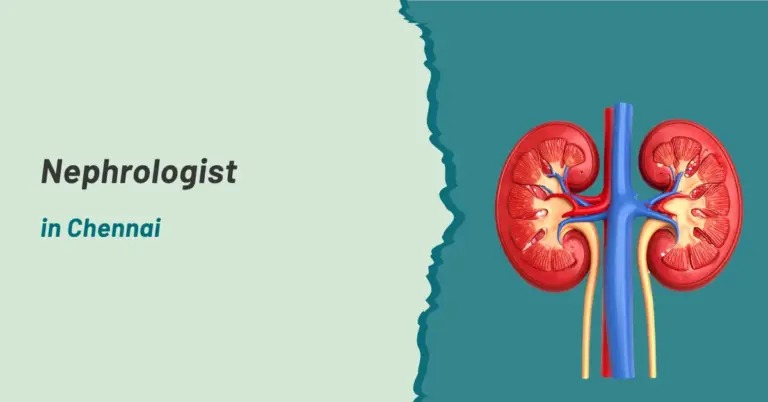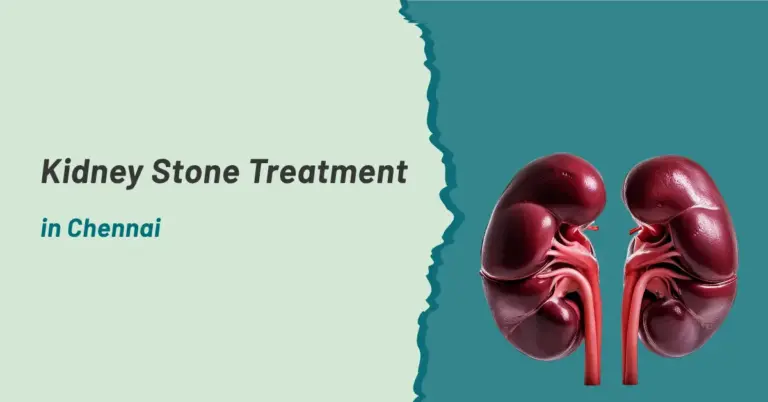
Kidneys! They are highly complex organs that control blood chemistry, blood pressure, and the amount of fluid in the body. Healthy kidneys do many important jobs. They remove wastes and extra fluid from the body, help make red blood cells, keep bones strong, and work to maintain the right amount of minerals in the blood. Kidneys also keep the blood clean and chemically balanced. Think of your kidney as a filter. It helps eliminate waste and toxins from the blood that our bodies can’t process otherwise. They are crucial for delivering oxygen to the body and assist in keeping bones strong and healthy.
Understanding the early symptoms of kidney disease is important because many kidney problems develop slowly and may not cause noticeable signs in the beginning. Chronic Kidney Disease (CKD) may progress to kidney failure, requiring dialysis or kidney transplantation. The earlier the kidney problems are detected, the greater the chance that disease progression can be slowed down or stopped. Taking good care of your kidneys can also help reduce the risk of stroke and heart attack.
What Do Your Kidneys Actually Do?
Your kidneys are two small, bean-shaped organs that sit just below your rib cage, one on each side of your spine. Each one is roughly the size of your fist. Small, yes. But incredibly powerful.
Every single day, your kidneys filter around 200 litres of blood. They remove waste products, extra fluid, and toxins that your body cannot use on its own. Beyond filtering, they also do several other vital jobs that most people do not know about.
They help control your blood pressure. They signal your body to produce red blood cells. They keep your bones strong by managing calcium and vitamin D. They balance important minerals in your blood like potassium, sodium, and phosphorus.
Think of your kidneys as the body’s built-in cleaning and balancing system. When they stop working well, everything else in the body starts to feel the effects too.
Why Kidney Disease Often Goes Unnoticed
Here is something that surprises a lot of people. In the early stages of kidney disease, most people feel completely fine.
There are no headaches. No sharp pain. No obvious sign that anything is wrong at all.
This happens because kidneys are remarkably adaptable organs. Even when they are damaged, they can keep functioning at a reduced level for a long time. Your body quietly adjusts and compensates until it can no longer keep up.
By the time symptoms appear, kidney function may already be significantly reduced. That is why simple blood and urine tests are so important, especially if you have risk factors like diabetes or high blood pressure.
This is also why understanding what are the signs and symptoms of kidney disease can genuinely save your life.
Early Symptoms of Kidney Disease to Watch For
The early symptoms of kidney disease are often easy to brush off. They feel like tiredness from a busy week, or just the effects of getting older. But if you notice several of these together, your kidneys may be trying to tell you something.
Foamy or Bubbly Urine
This is one of the most important and most commonly missed early symptoms of kidney disease. When your urine looks persistently foamy or frothy, like the top of a freshly poured drink, it often means that protein is leaking into your urine.
Healthy kidneys keep protein locked inside your body. When the filters are damaged, protein slips through and ends up in your urine. This is called proteinuria, and it is one of the earliest measurable signs of kidney damage.
A single bubbly moment is not cause for panic. But if the foam is there every time, for several days in a row, it is worth getting checked.
Feeling Tired All the Time
When your kidneys are not filtering properly, waste products build up in your blood. This makes you feel drained and exhausted, even after a full night of sleep.
There is also another reason for this fatigue. Damaged kidneys produce less of a hormone called erythropoietin, which tells your body to make red blood cells. Fewer red blood cells means less oxygen reaches your muscles and brain. This is called anaemia, and it is a very common side effect of kidney disease.
Puffiness Around the Eyes
If you wake up in the morning with puffiness around your eyes that seems to come and go, it may be more than just a late night. When protein leaks from the kidneys into the urine, your body loses protein it needs. This causes fluid to collect in the spaces around your eyes.
This type of swelling is one of the gentler early symptoms of kidney disease that many people overlook for months.
Swollen Feet, Ankles, and Legs
Healthy kidneys remove extra fluid from the body. When they start to fail, that fluid has nowhere to go and begins to collect in your tissues, especially in the lower legs, feet, and ankles.
You might notice that your shoes feel tighter than usual, or that your socks leave deep marks on your skin by the end of the day. This swelling is a sign that your kidneys are struggling to manage fluid balance.
Changes in How Often You Urinate
Pay attention to your bathroom habits. Changes in urination are often among the first signs and symptoms of kidney disease that people notice.
You may feel the urge to urinate more often, especially at night. This is called nocturia, and it happens when the kidneys lose their ability to concentrate urine properly during sleep.
On the other hand, some people urinate less than usual, or notice that the flow is weaker. Both changes can point to a kidney problem worth investigating.
Urine That Looks Different
Healthy urine should be pale yellow and clear. If your urine looks dark, brown, or has a reddish tint, it may contain blood. This is called haematuria, and while it can have many causes, kidney disease is one of them.
Even if you do not see a visible colour change, blood can be present in tiny amounts that only a urine test can detect.
Dry and Itchy Skin
Your kidneys help keep the right balance of minerals in your blood. When they stop working well, minerals like phosphorus build up and cannot be removed. This buildup irritates the skin from the inside, causing a deep and persistent itch that no cream or lotion seems to fix.
Dry and itchy skin is more common in the later stages, but it can start appearing earlier too, particularly in people who have not yet been diagnosed.
Muscle Cramps, Especially at Night
Painful leg cramps that wake you up at night are not always just from exercise or dehydration. When your kidneys lose their ability to regulate minerals, levels of calcium and phosphorus in your blood become imbalanced. This directly affects your muscles and nerves, leading to sudden and sharp cramps.
If you find yourself frequently waking up with cramping legs, and you have other symptoms on this list, speak to a doctor.
Food Tastes Metallic or Strange
When waste products build up in the blood, a condition called uraemia, one of the effects is a change in taste. Food that you used to enjoy may suddenly taste metallic, bitter, or just off. Some people also notice persistent bad breath that does not go away even after brushing.
This happens because your saliva breaks down urea, a waste product that healthy kidneys would normally remove, producing an unpleasant taste or ammonia-like breath.
Poor Appetite and Unintended Weight Loss
Feeling nauseous, not wanting to eat, or losing weight without trying are signs that waste is building up in your body faster than it can be cleared. Many people with advancing kidney disease lose interest in food altogether. They may feel full very quickly or feel sick after eating even small amounts.
Difficulty Concentrating and Brain Fog
Your brain needs a steady supply of oxygen to function well. When anaemia sets in because of kidney disease, less oxygen reaches your brain. This can cause difficulty concentrating, trouble remembering things, and a foggy feeling that makes daily tasks harder.
Shortness of Breath
Two things can cause breathlessness in kidney disease. First, extra fluid can build up in the lungs when the kidneys cannot remove it, making it harder to breathe, especially when lying down. Second, anaemia reduces the amount of oxygen your red blood cells can carry, which also makes you feel breathless with very little effort.
High Blood Pressure
Many people do not know that high blood pressure is both a cause and a sign of kidney disease. The kidneys help regulate blood pressure. When they are damaged, they lose this ability, causing blood pressure to rise. In turn, high blood pressure puts more strain on the kidneys, creating a damaging cycle.
If your blood pressure has been difficult to control despite medication, it may be worth getting your kidney function checked.
Trouble Sleeping
When the kidneys are not clearing toxins efficiently, those toxins stay in the blood and affect sleep quality. Many people with kidney disease report feeling restless at night, having difficulty falling asleep, or waking up frequently. Sleep problems are more common in people with chronic kidney disease than most people realise.
Signs and Symptoms of Kidney Disease: What is the Difference?
People often use the words signs and symptoms together, but they mean slightly different things, and understanding this helps you have better conversations with your doctor.
A symptom is something you feel. Fatigue, itching, or nausea. These are personal experiences that only you can describe.
A sign is something a doctor can measure or observe. Examples include high blood pressure, protein in the urine, or an abnormal blood test result showing elevated creatinine or a low eGFR reading.
In kidney disease, the signs often appear before the symptoms do. That is why routine blood and urine testing is so valuable. The signs and symptoms of kidney disease do not always arrive together, and in early stages, the signs may only be visible through lab work.
Understanding what are the signs and symptoms of kidney disease means paying attention to both, not just waiting until you feel unwell.
The 5 Stages of Chronic Kidney Disease
Kidney disease is measured using a blood test called the eGFR, which shows how well your kidneys are filtering. The lower the number, the more damage there is. Chronic kidney disease is divided into five stages.
Stage 1 (eGFR 90 or above)
Your kidneys are still working well, but there is early damage, usually protein in the urine. Most people have no symptoms at all. This is the best stage to catch the disease, because lifestyle changes at this point can slow or even stop further damage.
Stage 2 (eGFR 60 to 89)
Kidney function is mildly reduced. Symptoms are still usually absent. Protein in the urine may continue. This stage is still very manageable with the right care and monitoring.
Stage 3 (eGFR 30 to 59)
This is where the early symptoms of kidney disease may begin to appear. You might notice swelling, fatigue, changes in urination, and foamy urine. This stage is a turning point where medical management becomes very important.
Stage 4 (eGFR 15 to 29)
Kidney damage is severe. Symptoms become much more noticeable. Nausea, extreme fatigue, shortness of breath, poor appetite, and muscle cramps are common. Preparation for dialysis or transplant may begin at this stage.
Stage 5 (eGFR below 15)
This is kidney failure, also called end-stage renal disease. The kidneys can no longer do their job on their own. Dialysis or a kidney transplant becomes necessary to sustain life.
Knowing these stages helps you understand why catching the early symptoms of kidney disease is so important. The earlier you are diagnosed, the more options you have.
How is Kidney Disease Diagnosed?
You cannot diagnose kidney disease on your own. Many of the signs only show up in lab tests. A doctor will usually order two key tests.
Blood Test (eGFR)
This measures how well your kidneys are filtering your blood by checking the level of creatinine, a waste product. A normal eGFR is 90 or above. A reading consistently below 60 suggests kidney disease.
Urine Test (uACR)
This checks for albumin, a type of protein, in your urine. Even tiny amounts of protein in the urine can be an early sign of kidney damage, often before any symptoms appear.
Depending on the results, a doctor may also order imaging like an ultrasound or a kidney biopsy to understand the exact cause and extent of the damage.
What Happens If Kidney Disease Is Left Untreated?
Left untreated, kidney disease does not stay still. It progresses. As the kidneys lose more and more function, complications build up across the entire body.
The risk of heart disease increases significantly. Most people with kidney disease are more likely to experience a heart attack or stroke than kidney failure itself.
Anaemia deepens, making every day feel exhausting. Bones weaken because the kidneys can no longer manage calcium and vitamin D properly. Fluid overload can lead to dangerous swelling and lung congestion. Eventually, when less than 15 percent of kidney function remains, the kidneys can no longer sustain life without help.
This is why recognising the signs and symptoms of kidney disease early, and acting on them, makes such a real difference.
Can Kidney Disease Be Prevented?
You cannot always prevent kidney disease, especially if it runs in your family. But there is a great deal you can do to lower your risk and slow down any existing damage.
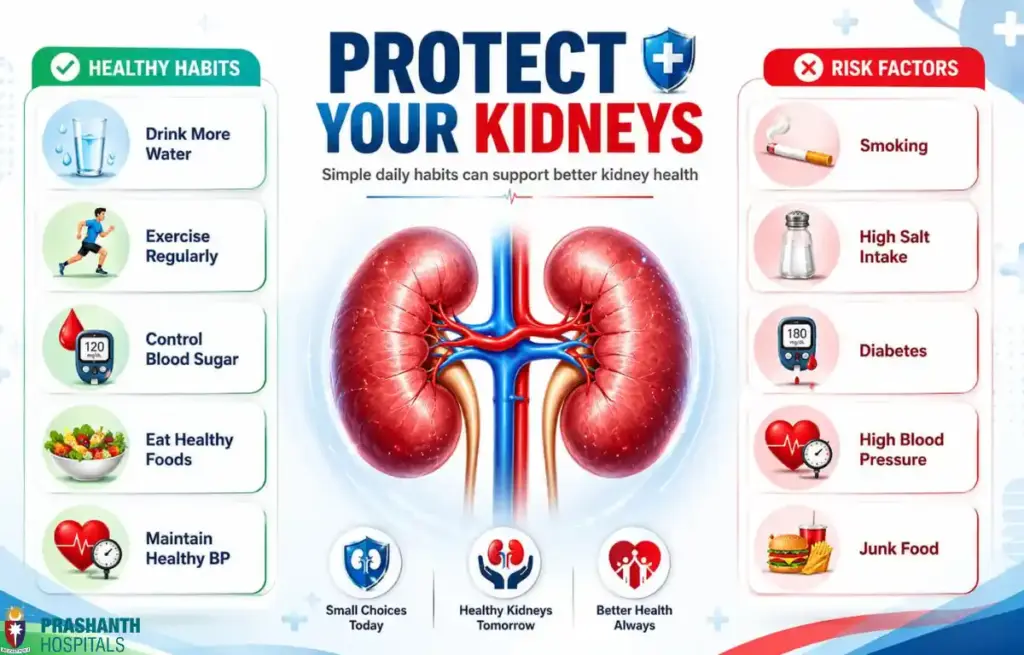
Keeping your blood sugar under control if you have diabetes is the single most important step. Managing your blood pressure with medication, diet, and regular monitoring comes a close second.
Drinking plenty of water helps your kidneys flush out waste regularly. A diet low in salt, processed foods, and red meat reduces the workload on your kidneys. Staying at a healthy weight removes unnecessary strain. Quitting smoking protects the blood vessels that feed your kidneys.
If you take painkillers regularly, talk to your doctor about safer alternatives that are gentler on your kidneys.
Getting tested regularly, even when you feel perfectly well, is the most powerful prevention tool of all, especially if you carry any of the risk factors mentioned above.
When Should You See a Doctor?
Do not wait until you feel seriously unwell. If you notice shortness of breath, severe swelling, blood in your urine, or a significant drop in how much urine you are passing, see a doctor the same day.
For milder symptoms such as persistent fatigue, mild puffiness, foamy urine, or changes in urination that have lasted more than a week or two, book an appointment and mention your concerns clearly. Ask your doctor to check your kidney function with a simple blood and urine test.
If you have diabetes, high blood pressure, or a family history of kidney problems, do not wait for symptoms at all. Get tested regularly as part of your routine care.
The earlier kidney disease is found, the more that can be done. Simple changes in diet, medication, and lifestyle can make a real difference when treatment begins early.
If you are looking for expert kidney care in Chennai, the team at Prashanth Hospitals is here to help. Our nephrologists bring deep experience in diagnosing and managing all stages of kidney disease, from early chronic kidney disease to complex cases requiring dialysis or transplant. Book an appointment with the best kidney specialists in Chennai at Prashanth Hospitals and take the first step toward protecting your kidney health.